Rouen: dismantling of an €80 million money-laundering network
The interregional specialised court (JIRS) of Lille dismantled two money-laundering networks in November, one based near Rouen with €80 million in circulation. Eighteen people were arrested.
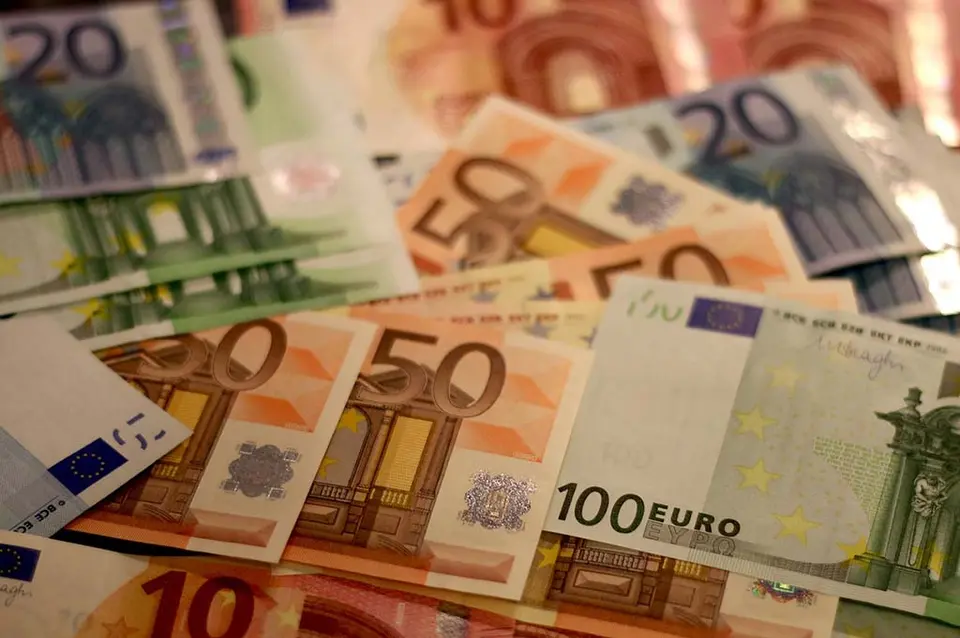
Dismantling of two money-laundering networks in the North and Normandy
According to Actu17, two money-laundering networks were dismantled in November by the interregional specialised jurisdiction (JIRS) of Lille. One was operating near Rouen in Seine-Maritime, the other in Roubaix in the North. The Lille prosecutor's office reported the findings on Friday: eighteen arrests and substantial seizures.
Investigators seized a total of nearly 800,000 euros from bank accounts, 300,000 euros in cash, 29 real estate properties valued at €3.2 million, one kilogramme of gold, vehicles and luxury watches. Prosecutor Samuel Finielz emphasised that "the fight against money-laundering is part of the public action priorities of the Lille prosecutor's office and the interregional specialised jurisdiction".
The Rouen investigation: a central banking executive
The Rouen case dates back to September 2024. The JIRS of Lille took over an investigation opened by the Rouen prosecutor's office concerning an executive at a Rouen banking establishment. This man maintained an unusual proximity to an individual linked to persons suspected of drug trafficking, which had led him to "breach banking ethics rules". Legal action was initiated for criminal association and aggravated money-laundering.
The economic and financial brigade of the Rouen division for organised and specialised crime (DCOS) examined the accounts of around twenty companies of which this man was the de facto managing director. These structures, described as "front companies" by the prosecutor's office, are characterised as "ephemeral shell companies used solely as a conduit for transferring, concealing or 'laundering' capital of illicit origin".
Circulation of €80 million via 960 bank cards
The prosecutor's office clarified that "64 companies were directly linked to him and he held power of attorney over their bank accounts, through which approximately €80 million circulated". Money inflows and outflows balanced out over short periods for amounts ranging from several tens of thousands to several millions of euros.
"€6 million was identified as having been subject to bank withdrawals via more than 960 bank cards issued to circumvent withdrawal limits," the prosecutor's office stated. The main suspect was not directly the owner of almost any of these structures, but owned several real estate properties. His alleged accomplices included the straw-man managers of the companies, his spouse and several members of her family.
The intervention of 17 November
On 17 November, the DCOS in Rouen launched a large-scale operation under the direction of the Lille prosecutor's office. Thirteen people were arrested, including the main suspect. According to the prosecutor, the latter "was arrested after withdrawing more than €34,000 from an automated teller machine". Police officers discovered €50,000 in cash at his residence.
With the authorisation of the judge for freedoms and detention in Lille, investigators seized 25 real estate properties valued at €2.4 million, 20 bank accounts totalling more than €325,000, and a vehicle worth €45,000.
The main suspect "admitted to most of the money-laundering offences by payment on behalf of third parties," the prosecutor's office stated. The others, primarily straw-man managers, "denied having had knowledge of the extent of his activities". Seven people were referred to the Lille prosecutor's office. They will be tried for organised money-laundering at a hearing scheduled for 11 January 2027. Two others were summoned by a judicial police officer. The main suspect was remanded in custody, the others placed under judicial supervision.
The Roubaix case: conversion to gold and cash disbursements
In Roubaix, the investigation originated from a TRACFIN report, transmitted to the prosecutor's office of the JIRS of Lille on 23 March 2026. It concerned a construction company based in the city, which "presented no real economic activity, but whose bank account recorded cash flows of €330,000". The investigation was opened for aggravated money-laundering and participation in a criminal association.
Enquiries revealed a network of four companies involving five people. "This organisation dedicated to money-laundering thus enabled other organisations to convert their funds into gold or to carry out disbursement operations permitting, in particular, the payment in cash of undeclared employees," the prosecutor's office explained.
Seizures on 3 November in Roubaix
The five suspects were arrested on 3 November during a judicial police operation. Investigators seized €540,000 from various bank accounts and €210,000 in cash. They also seized one kilogramme of gold valued at €116,000, four luxury watches with a total value of €95,000 and four real estate properties valued at €833,000.
"Most of those implicated contest the facts alleged against them," the prosecutor stated. On 9 November, the prosecutor's office opened a formal investigation for aggravated money-laundering and criminal association. These cases illustrate the contemporary strategy of money-laundering, according to the magistrate: channels "independent of the criminal networks at the origin of illicit funds" which "use either existing companies, some of which are in financial difficulty, or newly created companies to carry, transmit or invoice financial inflows arising from criminal activities".
Source: Actu17