Yorgen Fenech Trial: How Malta's Nine-Juror System Works
Nine jurors have retired to deliberate in the Yorgen Fenech murder trial. At least six must agree for a valid verdict under Maltese law.
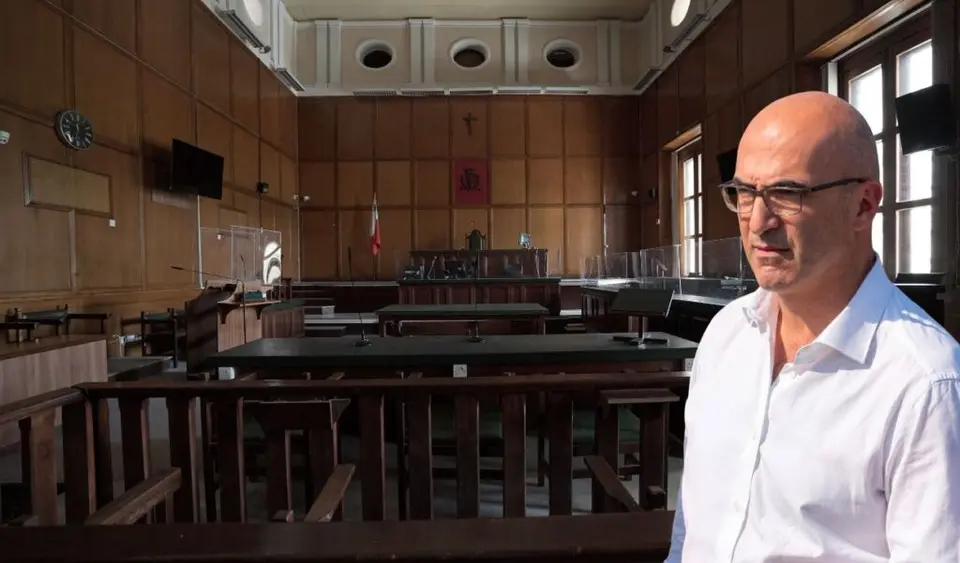
Nine jurors retire in Fenech trial — how Malta's jury system decides the outcome
Nine jurors have withdrawn from Courtroom 22 to deliberate on whether the prosecution proved its case against Yorgen Fenech beyond reasonable doubt, Lovin Malta reports. The retirement follows nearly two months of evidence and a three-day address by Madam Justice Edwina Grima.
From the moment the jury withdraws, its members may only communicate with the court through the registrar. Should any clarification of the law be required, Judge Grima must provide it in open court, with the accused and all parties present.
A majority verdict, not a unanimous one
Malta does not require unanimity. A valid verdict requires at least six of the nine jurors to agree. Outcomes of 9-0, 8-1, 7-2 or 6-3 are all legally sufficient — on either conviction or acquittal. Anything short of six votes in agreement does not constitute a verdict.
A 5-4 split, Judge Grima told the jurors directly before they withdrew, is not a hung jury, not an acquittal and not a conviction. The jurors simply return and continue deliberating. Maltese law sets no deadline and no fixed maximum number of hours; deliberations continue until a majority is reached.
Two charges, two separate votes
Fenech faces two counts: complicity in the murder of journalist Daphne Caruana Galizia, and participation in a criminal association. He has pleaded not guilty to both. The jurors vote on each charge independently. A guilty verdict on one count and a not-guilty verdict on the other is possible, and the split does not need to be the same for both.
The First Juror — the prim ġurat — collects every other juror's vote before casting their own, then records the verdict in writing.
Why the vote margin matters at sentencing
Complicity in wilful homicide carries life imprisonment. Article 492 of the Criminal Code, however, gives the judge a discretion when a guilty verdict on a charge carrying life is not unanimous: the court may instead impose a fixed custodial term of not less than 12 years.
The discretion is not automatic. A divided verdict does not reduce the sentence on its own; it only opens the possibility for the judge to consider a lesser punishment. A 9-0 guilty verdict and a 6-3 guilty verdict are legally identical as verdicts, but they do not place the defendant in the same sentencing position.
Individual jurors may also recommend mercy and state their reasons. Judge Grima may take such recommendations into account but is not bound by them. The jury determines guilt; the sentence is the judge's decision alone.
How the verdict is delivered
Once the required majority is reached, the court is notified and all parties are called back in. The foreperson reads out the verdict and states the number of votes behind it. The public is informed of the numbers; the identities of individual jurors and how each voted are not disclosed.
What follows the verdict
Should Fenech be acquitted on all charges, the judge must order his immediate release unless he is being held under a separate legal basis. Should he be convicted, sentencing becomes Judge Grima's responsibility. The prosecution, the defence and the legal representatives of the Caruana Galizia family may all make submissions on punishment before she passes sentence.
Under Maltese law, both the accused and the Attorney General may appeal to the Court of Criminal Appeal — against a conviction, against an acquittal, or against the sentence imposed. An acquittal does not automatically represent the final legal word, and any conviction may equally be challenged on appeal.
Source: Lovin Malta