Court criticises prosecutor for attempting to "control" Manuel Alibhai murder case
The Lisbon Court of Appeal rejected the prosecutor's appeal and found the two sons guilty of simple, non-aggravated homicide. The mother had already been discharged.
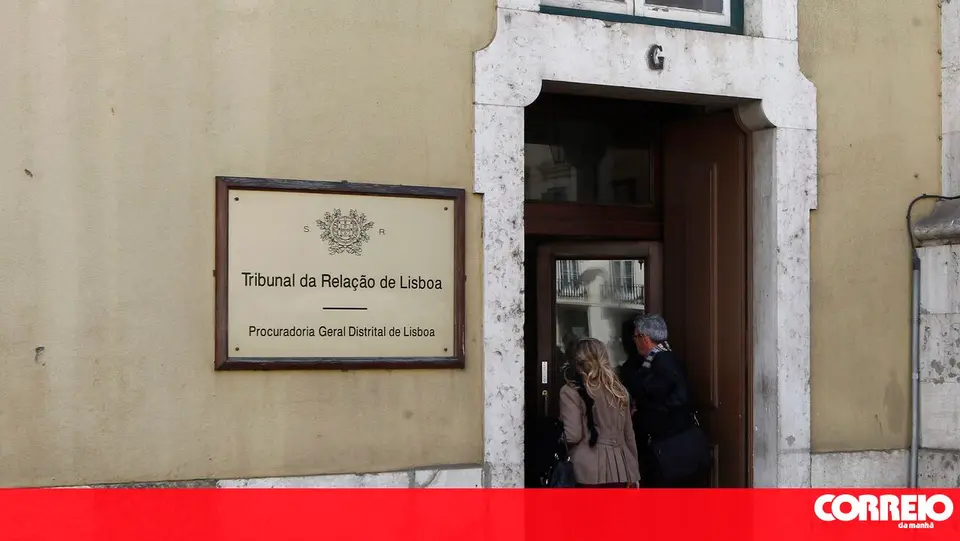
Appeal court rejects prosecutor's position in Laranjeiras homicide case
The Lisbon Court of Appeal accused the Public Prosecutor's Office of attempting to "control the case" in the murder of Manuel Alibhai, 58, who was killed with a hammer and knife by his own sons in April of last year in the Laranjeiras area of Lisbon. The ruling was handed down on Friday, according to Correio da Manhã.
In its decision, the court rejected an appeal filed by the Public Prosecutor's Office and strongly criticised the way it presented the case. "The appellant ends up confusing matters of fact and law in its arguments", acting "as if the proceedings were still under investigation", the ruling states.
Sons hide body for three days
Manuel Alibhai's two sons, aged 21 and 24, murdered their father in the presence of their mother and hid the body in a wardrobe at home for three days. The Public Prosecutor's Office charged the two brothers with aggravated homicide and desecration of a corpse.
A criminal investigation judge disagreed with the qualification and found the defendants guilty of simple homicide, considering that the prosecution decision was deficient regarding the context of alleged prolonged domestic violence within the family. The Court of Appeal has now confirmed this position, rejecting the more serious version sustained by the prosecutor's office.
House arrest and mother's situation also at issue
The Public Prosecutor's Office also sought to have the two brothers placed under house arrest, a request which the Court of Appeal also rejected. The mother, who was present at the time of the crime, had already been discharged at an earlier stage and will not stand trial.
Source: Correio da Manhã