Tax fraud in renewable energy: false invoices worth 1.85 million lei, VAT illegally refunded
ANAF inspectors have uncovered a tax evasion scheme at a firm in the solar energy sector. Unjustified invoices worth 1.85 million lei generated illegal VAT refunds of 353,000 lei.
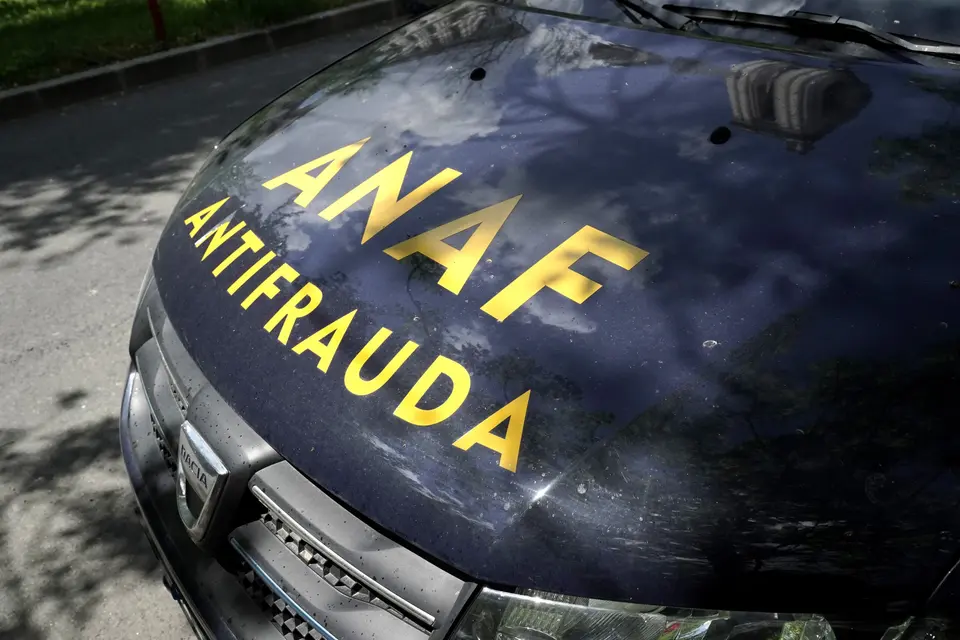
Tax fraud scheme in the photovoltaic sector discovered by ANAF
Inspectors from the General Anti-Tax Fraud Directorate (DGAF) within the National Tax Administration Agency (ANAF) have identified a fraudulent mechanism through which a company producing electrical energy from renewable sources unjustifiably reduced its tax obligations and illegally obtained funds from the state budget, according to Gândul.
The company in question, classified in the category of small taxpayers, was established for the purpose of developing a photovoltaic park. According to tax inspections, it recorded in its accounts purchase invoices for services with a total value of 1,858,495 lei, issued through two real estate brokerage companies.
The documents analysed by ANAF Anti-Fraud inspectors did not justify the nature, scope and actual provision of the invoiced services. No elements were presented to demonstrate the reality of the economic operations recorded.
Improper VAT refunds and artificial tax loss
By recording these fictitious expenses, the company artificially reduced its tax result. At the same time, by deducting the related VAT, it requested and obtained improper refunds from the state budget in the amount of 353,114 lei. In total, the company had filed requests for refunds of negative VAT balances in the amount of 924,096 lei.
Following the findings, inspectors proceeded to reduce the declared tax loss by 1,858,495 lei, a sum representing expenses recorded unjustifiably in the accounting records. Furthermore, the improper VAT refund of 353,114 lei was highlighted.
Possible criminal consequences
The inspections also analyse aspects concerning the application of the provisions of Article 8 of Law No. 241/2005 on the prevention and combating of tax evasion, relating to the unlawful obtaining of refunds from the consolidated general budget.
DGAF cautions that requesting VAT refunds on the basis of fictitious operations or documents that do not reflect economic reality constitutes conduct with major tax risk. Under the law, this may entail criminal liability, including in the case of a mere attempt to unlawfully obtain refunds.
The institution recommends that taxpayers ensure that the economic operations underlying VAT refund requests are real, actually carried out and supported by supporting documents that reflect the nature and economic substance thereof.
Source: Gândul