Electoral fraud in Sweden: Left Party candidate with debts and gang connections
Mohamed Ali entered parliament with 648 votes – now dubious circumstances have come to light. The NZZ reports on debts, connections to organised crime, and sloppy party vetting.
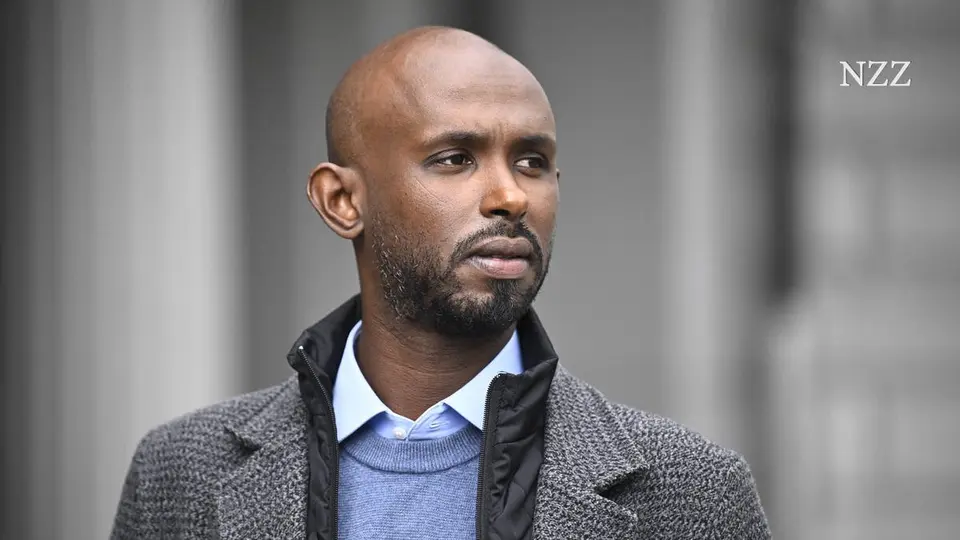
Swedish parliamentary representative with criminal environment – Left Party remains silent
According to the NZZ, alleged electoral fraud in Sweden's September parliamentary elections raises increasingly pressing questions. Mohamed Ali, a previously unknown Left Party candidate in the Dalarna district, secured 648 personal votes from his ninth position on the party list, thereby winning his party's only Riksdag seat in the region. Since then, Swedish media have uncovered new details about his past step by step.
Even before election day, police had received a tip that not all eligible voters had cast their ballots for Ali of their own free will. The public prosecutor initially suspended the investigation, citing insufficient evidence that the alleged fraud could have influenced the election outcome. After Ali's election, police reopened the case. At the end of October, three flats were searched in Borlänge, Ali's home municipality. According to Swedish media, there are three suspects; Ali himself is not among them.
Debts to 40 creditors, no business register entry
Ali arrived in Sweden in November 2013 as a 17-year-old. The state covered his education costs – he ignored a demand for repayment for the final semester in autumn 2016. Over the following years, liabilities accumulated: child maintenance payments, driving test fees, fines for speeding and illegal parking, as well as unpaid bills with government agencies, telephone providers and public transport operators. These were joined by loans he could not service.
In September 2022, Ali owed 40 creditors a combined 163,045 kronor – equivalent to approximately 14,000 francs. The enforcement office discharged his debts because he was deemed insolvent. New claims have since been filed with the court bailiff for collection. Parliament pays him 81,400 kronor monthly (approximately 6,810 francs); Stockholm now wishes to enforce recovery of his debts.
On LinkedIn, Ali had recently presented himself as CEO of a company working towards a "modern and inclusive Somalia". The company is registered in neither the Swedish nor the Somali business register. A Swedish business partner, who had allegedly financed Ali's business trips to Somalia, now doubts according to an interview with the tabloid "Expressen" that the company exists at all. Most recently, Ali worked part-time as a care assistant; previously he was frequently unemployed. In May 2023, the employment agency withdrew his unemployment benefits because he missed appointments and did not live at the registered address.
Flatmate convicted of attempted murder
For several years, Ali lived together with a gang member in Stockholm. The flatmate was involved in money laundering and was later imprisoned for attempted murder. Ali himself has no criminal record. However, according to security authorities, his precarious financial situation and his connections to organised crime make him a potential target for criminals seeking political influence. Swedish police have long warned that criminal gangs have infiltrated legitimate institutions; recently, several such cases have been uncovered at local level.
Electoral committee googled – and possibly found the wrong person
When the electoral committee interviewed Ali in early 2023, he was not yet a Swedish citizen. His first naturalisation application had been rejected by the Migration Board in January 2023: he did not meet the criterion of an "honest way of life" because of his debts. For Conny Hansson, the local politician who conducted the interview, this was not a warning sign. "We talked about football. He described himself as a team player," Hansson told the newspaper "Dagens Nyheter".
Jenny Larsson, the electoral committee chair, claims to have googled the candidate – "but there are many Mohamed Alis". Who exactly she had before her remained unclear. On 22 March, Ali's candidacy was approved without reservation at the party's electoral conference.
Leif Lindström, head of the Left Party in Borlänge, defended the decision to "Dagens Nyheter". Ali admittedly had no knowledge of politics, and: "Anyone who claims the nominating committee did excellent work is lying." At the same time, Lindström emphasises that hundreds of thousands of Swedes are in debt, and Ali was elected like all other candidates. He describes Swedish Somalis as the new working class; Somali clans he compares to trade unions. Ali merely did what other candidates do: "He asked his friends to vote for him."
Left party leadership remains silent despite mounting pressure
Ali has since taken up his seat in parliament. The left bloc's joy at their narrow electoral victory has given way to a hangover. Party leader Nooshi Dadgostar maintains her position nevertheless – the party leadership has so far made no public statement on the allegations. Within the party, many are asking how a candidate with such a gaping background could have made it onto the list at all.
Source: NZZ