Rental fraud warnings issued as students face €400k in scam losses
Gardaí have warned students of a sharp rise in accommodation fraud ahead of the college season, with over 230 reports and €400,000 in losses already recorded in 2026.
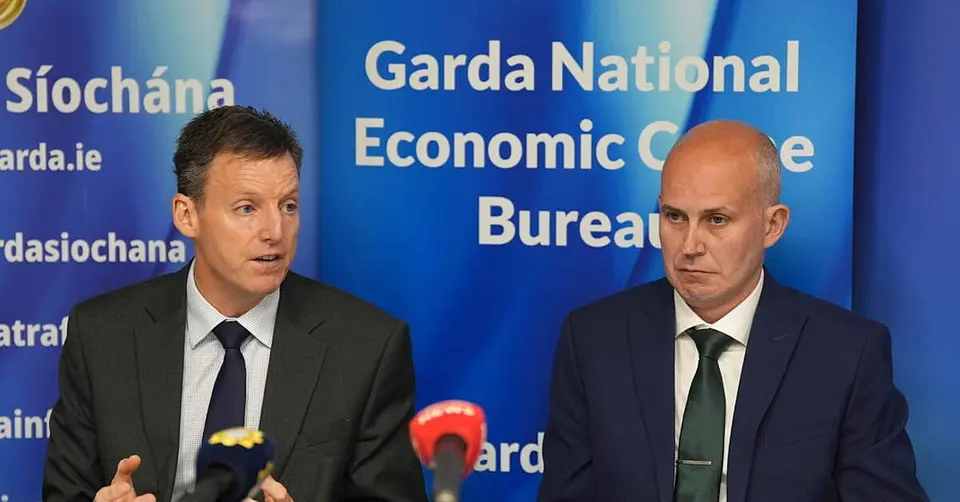
Gardaí warn students over surging accommodation fraud ahead of college season
More than 230 reports of rental and reservation scams have been filed in Ireland in the first seven months of 2026, with total reported losses already exceeding €400,000, according to BreakingNews.ie. The figures come ahead of the seasonal peak from August to October, when returning and first-time students search for housing.
Gardaí have issued a nationwide alert, urging students not to fall victim to fake landlords and fraudulent listings. Detective Inspector Alan Govern of the Garda National Economic Crime Bureau (GNECB) delivered a direct message: "If the rent seems too good to be true, then it probably is — there is no such thing as cheap accommodation."
Reports and losses rising year on year
Govern outlined a consistent upward trend in rental fraud. In 2023, approximately 320 reports were filed, a figure that fell 16 per cent on the previous year, with total losses of around €550,000. That rose to 351 reports in 2024, an 8 per cent increase, with losses reaching approximately €660,000. In 2025, reports climbed further to 399 — up 14 per cent — and losses stood at around €680,000.
The 2026 figures, already at over 230 reports and €410,000 in losses before the peak rental season begins, suggest the trend is continuing. Govern noted that incidents have been recorded across Dublin, the southern region, the east, and the north west. "There are notable spikes seen in 2024 and 2025 compared to 2023, and this suggests there is an increase in this particular type of crime in recent years," he said.
How the scams operate
Offenders typically pose as landlords, estate agents, or property managers. Victims are asked to pay a deposit, rent, or a holding fee before viewing the property. Once payment is made, contact ceases. "The property either does not exist or wasn't actually available for rent," Govern said. "Once the payment is made, the offender is gone and there is no contact."
A further concern flagged by gardaí is the targeting of young people as "money mules" — individuals manipulated into allowing their bank accounts to be used to move criminal proceeds. The majority of money mule accounts belong to those aged between 18 and 24, with some cases involving children as young as 14, according to FraudSmart. Govern said there is "no easy money to be made out there."
His comments were made as thousands of Leaving Certificate students await the first round of college offers. "It is a very exciting time for them," he said. "For some, they will be moving away from home for the very first time and they will be looking for accommodation, so this leads us to the accommodation fraud and what we have seen for the last few years."
Gardaí also highlighted that 59 per cent of incidents are reported more than seven days after they occur, which can complicate investigations and the recovery of funds.
Advice for students seeking accommodation
Govern urged students to research any advertised property independently before making any payment. He recommended using the Residential Tenancies Board website, which provides a rent index showing general price ranges by area. Checking the availability of local transport links and nearby facilities can also help identify fraudulent listings, he said, as any inconsistencies in the landlord's description become easier to spot.
Further guidance from the GNECB:
- Use recognised letting agencies or deal only with people who are verifiably trustworthy.
- Never agree to rent a property without first having the opportunity to view it in person.
- Ensure keys work on the day of viewing and obtain direct contact details for the landlord or letting agent.
- Pay using a credit card or another secure, traceable method. Avoid cash transfers, money transfer apps, and cryptocurrency payments.
- If a person communicates solely through Messenger or WhatsApp, or provides vague responses to questions, disengage immediately.
- Report any suspected fraud to both the gardaí and your bank without delay.
Govern also flagged the importance of verifying the physical existence of a property and its amenities before committing to any financial transaction. "You should meet for a tour of the landlord to see the property — and if not, then ask why," he said.
Gardaí have confirmed that incidents span multiple fraud categories, including college and university accommodation, standard rental or lease agreements, and holiday booking scams.
Source: BreakingNews.ie