Jamaica murder rate falls 37%, but fatal police shootings surge 152%
Murders in Jamaica dropped sharply in early 2025, but rights groups warn a 152% rise in fatal police shootings demands urgent accountability measures.
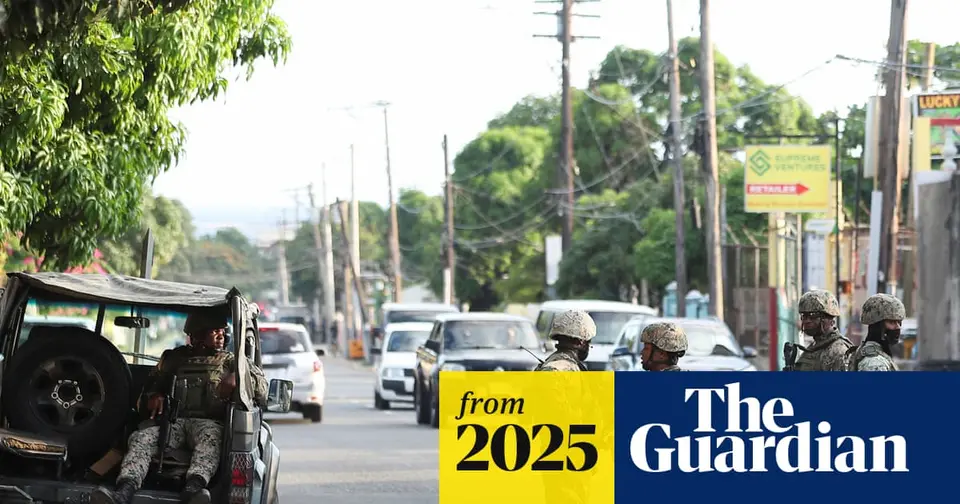
Murder Rate Down, Police Shootings Up in Jamaica — Rights Groups Sound Alarm
Jamaica recorded its lowest murder figures in over two decades during the first four months of 2025, according to theguardian.com, but human rights organisations are raising urgent concerns about a parallel and dramatic increase in fatal police shootings.
Police Commissioner Dr Kevin Blake issued a statement declaring that "April 2025 has marked another historic milestone. For the second time this year, we have recorded the lowest number of murders in over two decades." Blake attributed the results to "careful planning, tireless execution, and a commitment to excellence" by the Jamaica Constabulary Force (JCF), the Jamaica Defence Force, and their strategic partners.
Between January and April, overall major crimes fell by 18% compared with the same period in 2024, while murders dropped by 37%, Blake said. "These are not just statistics. Each number represents lives saved, communities stabilised, and a signal that the tide is turning," he added.
152% Rise in Fatal Police Shootings
While officials have welcomed the homicide figures, the Independent Commission of Investigations (Indecom) — Jamaica's police complaints authority — has reported that 111 people were fatally shot by security forces between January and April 2025, compared with 44 in the same period last year. That represents a 152% increase.
Indecom has called for strengthened accountability mechanisms, including the widespread use of body-worn cameras, citing an "elevated increase in use of force by the State."
The human rights group Jamaicans for Justice (JFJ) staged a protest against what it described as a "significant and alarming increase" in fatal police shootings. JFJ executive director Mickel Jackson said citizens were providing accounts of incidents that contradict official police versions of events. "Outside of the numbers, which in and of itself calls for greater scrutiny, we have received complaints, where citizens are giving a different account from the police's official account," she said.
Jackson pointed to amateur video footage that, in some cases, contradicts police narratives of fatal shootings. These "conflicting accounts," she said, were "enough to take pause and certainly to advocate for body-worn cameras."
Carla Gullotta, executive director of the human rights group Stand Up For Jamaica, stressed the need to build trust between police and communities in "fragile and volatile areas."
Family Demands Transparency After January Shooting
Katrina Chin, whose cousin Andrew Richards, 39, was killed by police during an early-morning security forces raid in January, called for greater transparency. Indecom is still investigating Richards's death, and his family maintains he was innocent.
Recalling watching his body removed from his home covered in a sheet, Chin said: "I understand that our country seriously has a problem with crime. We're not denying that." She added that JFJ's advocacy was not directed against police as an institution. "We're just advocating for it to be done the right way. We can't just be so desperate to lower our crime rate that we're willing to kill innocent people," she said.
Chin also warned that politicians risk "fueling" the perception that police are "untouchable" if they uncritically defend all police actions.
Blue vs. Black: A Divided Public Response
Ahead of the JFJ protest — during which supporters were asked to wear black — a counter-movement emerged on social media calling on members of the public to wear blue in support of the police. Several major Jamaican businesses, including the pharmacy chain Fontana, backed the blue campaign.
Fontana executive director Kevin O'Brien Chang said staff chose to wear blue because falling crime rates were making communities feel safer. "Every day, the police and soldiers put their lives on the line, and they pay the ultimate price," he said.
Prime Minister Andrew Holness was photographed in a blue suit speaking with a police superintendent during the protest period, with local media reporting he wore the colour to signal support for the counter-protest.
Addressing the rise in police killings, Holness reportedly said: "Obviously, the JCF's increased activities in interdicting criminals and in dealing with the gangs would have caused a significant increase in the loss of life of those who challenged them. But I think the country should also understand that the gang warfare is at a level where we must respond and respond decisively."
Commissioner Defends the Force
Commissioner Blake defended his officers against criticism, stating: "We are a disciplined, modern law enforcement agency with a constitutional mandate to serve and protect all Jamaicans without fear, favour or ill will."
Jackson, however, maintained that accountability and support for law enforcement are not mutually exclusive. "You can support the police and still be pro-accountability. You can support the police and the reduction in murder rates and their efforts, and still call for the body-worn cameras," she said.
She expressed disappointment at the prime minister's apparent alignment with one side of the debate, saying she believed Holness should have used the moment to affirm both support for law enforcement and support for greater oversight. "A call for accountability should never be seen as anti-police," Jackson said, adding that the cameras would benefit officers as much as the public by providing an independent account of events.
Jamaica has long carried one of the highest homicide rates in the region. The recent decline in murders has been welcomed across the political spectrum, but rights advocates argue the current trajectory — fewer civilian killings, more fatal police shootings — raises fundamental questions about how security gains are being achieved.
Source: Google News JM — Crime