Andrew Tate Brothers Seek Bail in Miami Extradition Case, Judge to Rule
Andrew and Tristan Tate faced a federal judge in Miami over bail in their UK extradition fight. Legal experts say release is unlikely given 59 criminal charges including rape and trafficking.
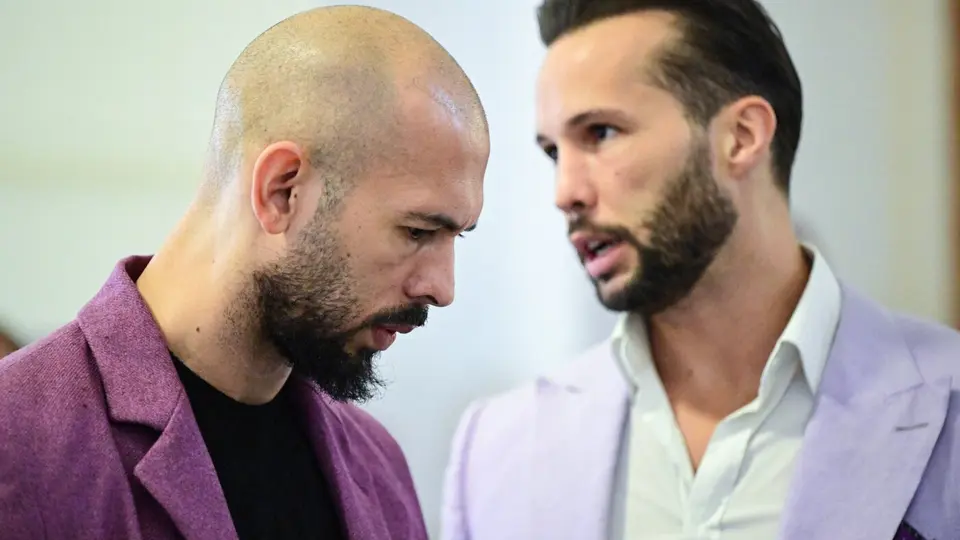
Tate Brothers Testify at Miami Bail Hearing Amid UK Extradition Fight
A federal magistrate judge in Miami heard testimony directly from Andrew Tate and his brother Tristan on Thursday during an eight-hour detention hearing, NPR National reports, as the pair sought release from the Federal Detention Center where they have been held since their July 18 arrest.
Magistrate Judge Lauren F. Louis said she would issue a written order on the bail question following the hearing, which stretched into the early evening at the C. Clyde Atkins U.S. Courthouse.
The Tate brothers — prominent figures in the online "manosphere" — are fighting extradition to the United Kingdom, where prosecutors have brought a total of 59 criminal charges against them, including rape and human trafficking for sexual exploitation. Andrew Tate is 39; his brother Tristan is 38. Both deny all allegations.
Brothers Take the Stand
Both men chose to testify on their own behalf — a move their attorney described as highly unusual.
"Innocent men don't run from the process. Innocent men have nothing to hide. Innocent men lean into it," attorney Joe McBride told reporters after the hearing.
McBride has maintained since an initial hearing on July 20 that the charges are politically motivated and designed to restrict the brothers' free speech. "We are, of course, objecting to extradition because Andrew and Tristan are innocent," he said at that time.
The brothers' legal team argued that any flight-risk concerns raised by prosecutors could be addressed through strict release conditions — including passport surrender, GPS monitoring, and regular home inspections. They also pointed to the brothers' compliance with pretrial conditions in Romania, including a voluntary return to that country in 2025 to meet with authorities there.
Prosecutors: Dangerous and a Flight Risk
Federal prosecutors argued the Tates pose both a danger to the community and a substantial flight risk. Court filings from the U.S. Attorney's Office in Miami note that Andrew Tate has boasted online of holding seven passports and 15 driver's licenses, stating he could "pull out a license from some random country" to conceal his identity if stopped by authorities.
The brothers' legal team characterized such statements as exaggeration — part of the persona the Tates perform for their online audience, not evidence of criminal intent.
Extradition Bail: A Narrow Path
Legal experts who spoke with NPR National ahead of the hearing offered little optimism for the Tates' bail bid. The State Department is explicit on the point: "Under current U.S. law and practice, it is extremely rare that an extradition judge will release on bail a person sought in international extradition." Only a narrow set of circumstances — such as a serious medical condition untreatable in custody — has historically led to bail in such cases.
Shaul Brazil, a partner at BCL Solicitors in London and vice chair of the International Bar Association's criminal law committee, explained the underlying logic. In ordinary criminal cases, courts begin from a presumption in favor of bail. Extradition proceedings start from the opposite position: because the defendant is already outside the jurisdiction where charges were filed, "there is generally a fear … that the person could well flee the jurisdiction if they were granted bail," Brazil said.
British Charges Span 2010–2017
The UK allegations cover a period from 2010 to 2017, during which Andrew Tate built wealth through a webcam pornography business before pivoting to social media influence, accumulating millions of followers in online spaces focused on masculinity and male identity.
The brothers also face separate trafficking charges brought by Romanian prosecutors. They lived in Romania until February 2025, when authorities there lifted a travel ban. The UK had previously sought their extradition from Romania, but a Bucharest court ruled that the British request should be deferred until the Romanian case is resolved.
Trump Administration Will Not Intervene
The extradition fight places the Tates against the U.S. Attorney's Office in Miami — and, by extension, against the Trump administration. The White House has previously expressed informal support for the brothers, but press secretary Karoline Leavitt stated at a July 23 briefing that the administration would not intervene in the extradition proceedings.
Process Could Stretch for Years
If Judge Louis certifies the extradition, the brothers retain the right to seek judicial review. Multiple rounds of appeals are common in international extradition cases and can extend the process from months into years. As the Justice Department has noted, "while there are few workable defenses to extradition, appeals and delays are common."
A further variable remains unresolved: potential U.S. charges. The Tates have been the subject of a state investigation in Florida, and Andrew Tate is referenced in a 2023 federal grand jury subpoena filed in New York. As of the hearing date, no domestic charges had been filed, and the relevant agencies declined to comment when contacted by NPR National.
Source: NPR National