California paid $50m to Nikola despite founder's fraud indictment
California's clean truck programme paid over $50m for Nikola vehicles even after founder Trevor Milton was indicted for fraud in 2021. Nikola filed for bankruptcy in 2025.
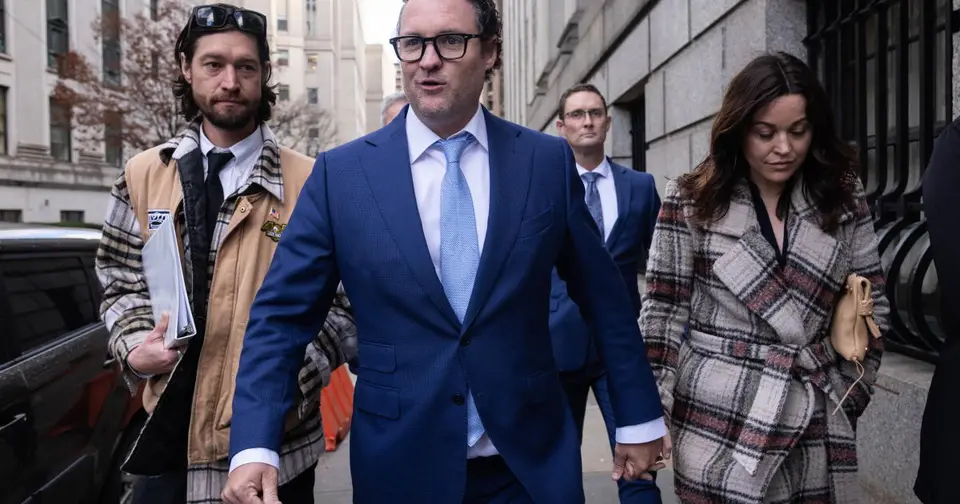
California subsidised Nikola trucks worth $50m after fraud charges against founder
California's state air regulator continued to funnel more than $50 million in public subsidies to customers of Nikola Corp. even after the company's founder, Trevor Milton, was criminally indicted for fraud in 2021, according to a report by latimes.com.
Milton founded Nikola in 2014 and raised over $1 billion from investors by claiming the company had developed the world's first fully functional hydrogen-powered semi-truck, the Nikola One. He told investors the firm held more than 14,000 preorders worth billions in future revenue and that it operated the largest hydrogen production facility in the Western Hemisphere.
None of those claims were true, federal prosecutors later established. The Nikola One was never fully functional. The preorder numbers were fabricated. No hydrogen production facility existed.
Despite Milton's 2021 indictment and a costly civil settlement reached by the company, the California Air Resources Board (CARB) allowed Nikola to participate in its Clean Truck and Bus Voucher Incentive Project from 2022. The state ultimately paid more than $50 million to help customers purchase over 166 of Nikola's electric and hydrogen-powered semi-trucks — making them, on average, the most heavily subsidised vehicles in the entire programme.
Less than three years after that funding was approved, Nikola collapsed. Most of its trucks that reached the market were recalled over fire-prone batteries and hydrogen tank defects. In February 2025, the company filed for bankruptcy, leaving its customers — primarily based in California — without vehicle warranties, limited spare parts, and mounting maintenance costs.
CARB defends its decision
A CARB spokesperson told the Times that Milton's fraudulent conduct had no bearing on the vehicles themselves, which qualified for the programme on technical grounds. The agency noted that the 166 Nikola trucks represent a small share of the nearly 12,000 clean vehicles it has helped deploy statewide.
"CARB was aware of Trevor Milton's legal issues," the spokesperson said. "However, Milton stepped down as chairman of Nikola in 2020, more than a year before the first Nikola vehicle became eligible in [the voucher programme]. CARB determined that these circumstances did not affect the viability or the performance of the eligible vehicle."
When the Times approached Milton about the state funding, he said he could not comment on anything that occurred after his departure from the company in August 2020. In a podcast recorded in July 2024, Milton maintained he had committed no wrongdoing.
"I haven't done anything wrong," he said. "I have nothing to worry about."
Critics demand accountability
Nate Anderson, founder of financial investigations firm Hindenburg Research, was the short seller who first raised the fraud allegations that triggered federal scrutiny of Nikola. Anderson said California's continued engagement with the company defied credibility.
"Trevor Milton was indicted in July 2021 with federal prosecutors alleging he made false claims regarding nearly all aspects of Nikola's business," Anderson said in an email to the Times. "If California officials couldn't figure it out in 2022 they are obviously hopeless."
State Senator Tony Strickland (R-Huntington Beach), a longstanding critic of CARB's zero-emission mandates, said the Nikola case exposed a broader failure of governance within the state's major green funding programmes.
"It's unbelievable," Strickland said. "There needs to be more safeguards. They're wasting millions of hardworking tax dollars. We need to bring back more transparency, more accountability and more oversight. You can't spend $60 million here, and $58 million there — and especially when someone has a background with fraud and serious misrepresentations of the development of their zero-emission vehicles."
Broader programme problems
The Nikola episode is part of a wider pattern of difficulties in California's $1-billion clean truck and bus voucher programme, launched 17 years ago to cut pollution from the state's shipping industry and accelerate zero-emission vehicle adoption. A Times analysis found that nearly one in four automakers that have participated in the programme have since ceased production or exited the zero-emission market. One in five programme vouchers went to vehicles from those companies.
Trucking industry experts told the Times that CARB and its nonprofit partner CALSTART have failed to properly vet the manufacturers and vehicles receiving public funding. Much of the sector's turbulence reflects an industry-wide struggle to profitably manufacture heavier electric vehicles.
Environmental advocates were more cautious in their criticism, noting that the programme remains essential for reducing pollution at ports, railyards, and distribution centres.
Sam Wilson, a senior vehicle analyst with the Union of Concerned Scientists, said improved guardrails could strengthen rather than undermine the scheme. "Raising the idea of guardrails and accountability, if it improves the programme, I'm all for it," Wilson said. "But at a time when the funding for zero-emission freight electrification is so uncertain, what we're supporting is an accountable incentive programme."
CARB has insisted the programme is managed effectively and continues to serve its core environmental goals.
Source: Google News MT — Crime (en)