Duane "Keffe D" Davis Convicted of First-Degree Murder in 1996 Tupac Shakur Killing
A Las Vegas jury found Duane Davis guilty of orchestrating rapper Tupac Shakur's 1996 murder after less than three hours of deliberation. Davis, 63, faces a possible life sentence.
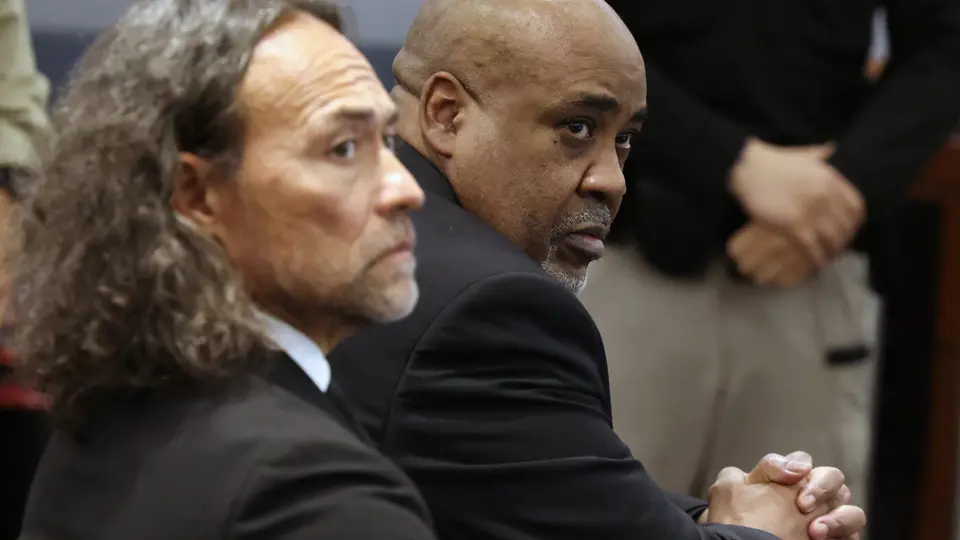
Las Vegas Jury Convicts "Keffe D" Davis in Tupac Shakur's 1996 Murder
A Las Vegas jury found Duane "Keffe D" Davis guilty of first-degree murder on Monday for orchestrating the 1996 killing of rap icon Tupac Shakur, NPR National reports — closing a case that had consumed hip-hop fans and true crime observers for nearly three decades.
Davis, 63, was convicted on a single count of murder with a deadly weapon after jurors deliberated for less than three hours, capping a weekslong trial at Clark County District Court's Regional Justice Center. He could be sentenced to life in prison. Sentencing is scheduled for October.
When the verdict was read, Shakur's sister, Sekyiwa "Set" Shakur, wept and embraced the prosecutors. Davis' son covered his face with one hand.
Prosecution: Davis "Went Hunting" After His Nephew Was Beaten
Chief Deputy District Attorney Binu Palal told jurors in closing arguments Monday that Davis acquired a firearm and "went hunting" for Shakur and Death Row Records co-founder Marion "Suge" Knight after the two men had beaten Davis' nephew earlier that night of Sept. 7, 1996.
"He is responsible for the murder of Tupac Shakur," Palal told the jury. "Tell him you hear him. Find him guilty."
Shakur was in Las Vegas that evening and had stopped at a red light when a white Cadillac pulled alongside him and shots were fired. He died six days later from his wounds. Knight was also hit but survived.
Prosecutors argued that although Davis did not pull the trigger himself, he functioned as a shot caller — a senior gang figure whose orders the younger men in the Cadillac, including his nephew, would follow. They said Davis repeatedly placed himself inside the white Cadillac from which the gunfire came, even as his account shifted over the years.
The panel of 16 jurors — four of them alternates — heard testimony from 24 prosecution witnesses and three defense witnesses across nine days of proceedings. The state separately agreed to dismiss a gang enhancement charge due to witness logistics issues.
Defense: No Physical Evidence, Only "Dramatized Bravado"
Defense attorney Michael Sanft argued throughout the trial that no physical evidence connected his client to the shooting. He characterized Davis' public statements and the 2019 memoir Davis co-authored — titled Compton Street Legend — as dramatized accounts designed to generate money, not accurate testimony.
"They have nothing in this case that says that man was here in Las Vegas on Sept. 7, 1996," Sanft said in his closing argument. He also challenged prosecutors to show any evidence that Davis had ever called the shots before or after the night of the shooting, and repeatedly highlighted the absence of phone records or other documentation placing Davis as the order-giver.
Prosecutors pushed back. In a rebuttal argument, Deputy District Attorney Marc DiGiacomo pointed to a scrapbook Davis had kept containing news articles about Shakur. "This guy's scrapbooking his murder, for God's sake," DiGiacomo told jurors.
Palal also held up the memoir and played an interview in which Davis encouraged viewers to buy it for the "real truth." Although the book carries a disclaimer stating some details were changed, prosecutors argued the central account remained intact.
During his own closing, Sanft read aloud from the memoir and said the N-word, prompting people watching in an overflow courtroom to recoil and shake their heads.
Gang Rivalry Ran Through the Case
Witnesses described a bitter rivalry between Los Angeles gang factions leading up to Shakur's death. The Mob Piru sect became affiliated with Knight's Death Row Records — the label Shakur was signed to — while Davis' Southside Compton Crips aligned with Sean "Diddy" Combs' Bad Boy Records.
That gang fault line shaped the prosecution's theory of motive: the beating of Davis' nephew by Shakur and Knight that night, prosecutors said, triggered a retaliatory strike that Davis set in motion.
The killing of Bad Boy artist the Notorious B.I.G. six months after Shakur's death also surfaced repeatedly during the trial. Law enforcement witnesses noted Davis had briefly been considered a suspect in that shooting before being ruled out. That case remains unsolved.
Davis is the only person still living among the four men prosecutors say were inside the Cadillac on the night of the shooting. For years, no charges were filed in Shakur's killing until Davis began making public statements — including in interviews and his memoir — acknowledging he was in the vehicle and had handed a gun to others in the backseat. He declined in multiple settings to name who fired the shots.
Prosecutors and members of Shakur's family declined to comment following the verdict, with family representatives saying they were waiting until the October sentencing to speak publicly.
Source: NPR National