Nearly 200 Witnesses to Charlie Kirk Campus Shooting Seek Utah Victims' Benefits
About 500 witnesses to Charlie Kirk's fatal shooting at Utah Valley University sought victims' compensation; 173 have formally applied for mental health benefits.
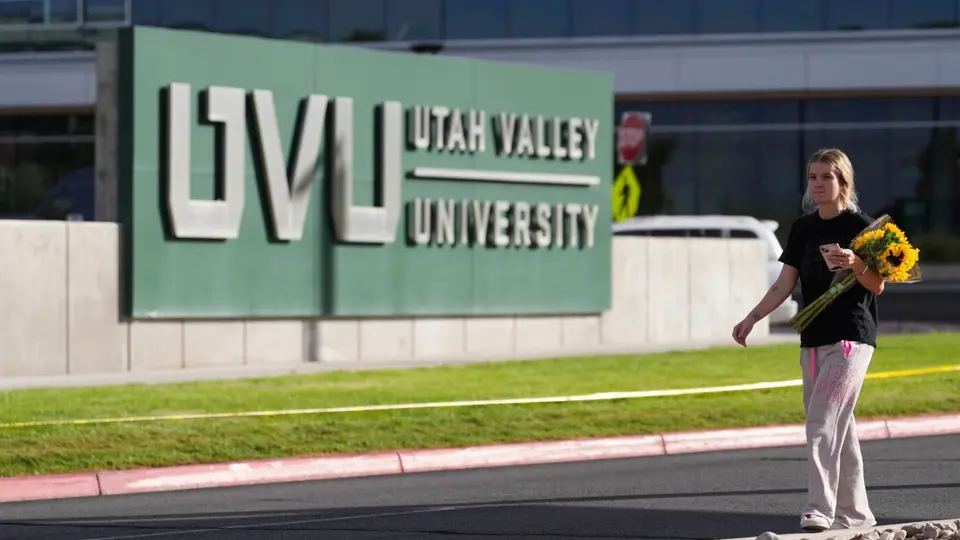
Hundreds of Kirk Shooting Witnesses File for Victims' Compensation in Utah
Nearly 200 witnesses to the fatal shooting of conservative activist Charlie Kirk at Utah Valley University have formally applied for victims' compensation from the State of Utah, NPR National reports. While Kirk was the sole homicide victim of the September 10, 2025 attack, the sheer scale of the crowd present — and the rapid spread of footage online — has produced a wave of trauma claims unlike those seen in most other public violence cases.
Campus police estimate approximately 6,000 students had gathered at Utah Valley University in Orem, Utah that day to watch Kirk take unscripted questions from students in the open Q&A forum he was known for. Senior Hazel Kynaston was among them. She said she had joined the event on a lunch break between classes, unaware of who Kirk was until she saw the size of the crowd around her.
"We just used our lunch break that we had in between two classes to go down and kind of see this event," Kynaston said.
She fought through what she described as a "pretty intense" crowd to reach a spot near the front. Moments after arriving, she watched Kirk seize and collapse from his stool. Authorities say a single round from a high-powered hunting rifle, fired from roughly 150 yards away, struck him.
"I didn't know a person could bleed like that," Kynaston said, her voice audibly shaken as she recalled the seconds of stunned silence before panic swept through the crowd.
Zone of Danger Determines Eligibility
In the days following the shooting, at least 500 witnesses contacted the Utah Office for Victims of Crime seeking compensation for mental health counseling and trauma support. So far, 173 have submitted formal applications, according to Chyleen Richey, director of the office.
"What we have to determine is a zone of danger for our benefits," Richey explained.
Working with the FBI, her office established that the zone of danger encompassed the rows immediately surrounding Kirk at the moment he was shot. Witnesses positioned closer to the front, with a clear line of sight to the event, may be eligible for different levels of benefits than those farther back with an obstructed view.
Richey said her office does not dismiss other experiences, but noted there are "certain qualifications for eligibility to have benefits paid for." Approved claimants are entitled to up to 25 mental health sessions through the program. In fiscal year 2025, the Utah Office for Victims of Crime received $24.4 million in combined federal and state funding and paid out nearly $7 million to crime victims statewide. The precise cost attributed to Kirk-related claims has not yet been disclosed.
Kynaston is now undergoing eye movement desensitization and reprocessing therapy — a treatment that uses guided eye movements to help patients process traumatic memories. She said the sessions have already reduced the severity of flashbacks triggered by everyday surroundings on campus.
"So being able to go through each one of those triggers and re-ground myself in a present moment, and being able to bring back that logical side of 'nothing is happening in this present moment,'" she said.
A Case Unlike Others, Criminologists Say
James Densley, department chair of the School of Criminology and Criminal Justice at Metro State University in Minnesota and deputy director of the Violence Prevention Project Research Center, said several factors distinguish the Kirk shooting from comparable incidents of public violence.
Chief among them, he said, is the global media attention the event received across both mainstream outlets and social media platforms. Because footage circulated so widely and so quickly, victims have been repeatedly confronted with imagery of the event without seeking it out.
"The people who were traumatized that day then have to watch strangers online fight about whether the death mattered or not, and that ordinary mourning that we would do doesn't work in those conditions," Densley said.
Kynaston described this dynamic directly. Every time she checked her phone in the aftermath, she said she encountered people debating "did he deserve it or not?" online.
The most persistent source of distress, however, was geographic: her university campus itself. The shooting happened on ground she crosses daily.
"The most impactful part of it was the fact that I had to go back every day to school," she said. "I had to walk the same path every day that I had to walk when I was trying to get away, and all those memories that are associated with feeling completely exposed and unsafe."
Densley added that the demographic composition of the crowd — which skewed conservative and male, groups statistically less likely to self-report psychological distress — means the full mental health toll of the event may not be visible for some time. He cautioned against treating the number of compensation applicants as a reliable measure of total harm.
"That number is not a measure of the extent of the harm," he said. "It's really just a measure of those who've been able to navigate the legal system to file a claim."
Death Penalty Question Looms Over Trial
In the criminal case against Tyler Robinson, the man accused of firing the shot that killed Kirk, victimology has emerged as a key legal question. Prosecutors have indicated they will seek the death penalty if Robinson is convicted.
On August 12, the defense moved to remove the death penalty as a sentencing option, arguing that the bullet "hit the intended target" and placed no one else in danger. Prosecutors counter that the actions of the accused created a risk of harm to the thousands of bystanders present and have cited that as an aggravating factor in support of capital charges. How courts weigh that argument is expected to be central to the proceedings ahead.
Source: NPR National