CBI deports Nirav Modi PNB fraud suspect Sandeep Mistry from UAE to India
Indian authorities have deported Sandeep Mistry, a key suspect in the Nirav Modi PNB bank fraud case, from the UAE to India after an INTERPOL Red Notice. Mistry is accused of orchestrating forged trade documents and siphoning funds worth nearly USD 2 billion.
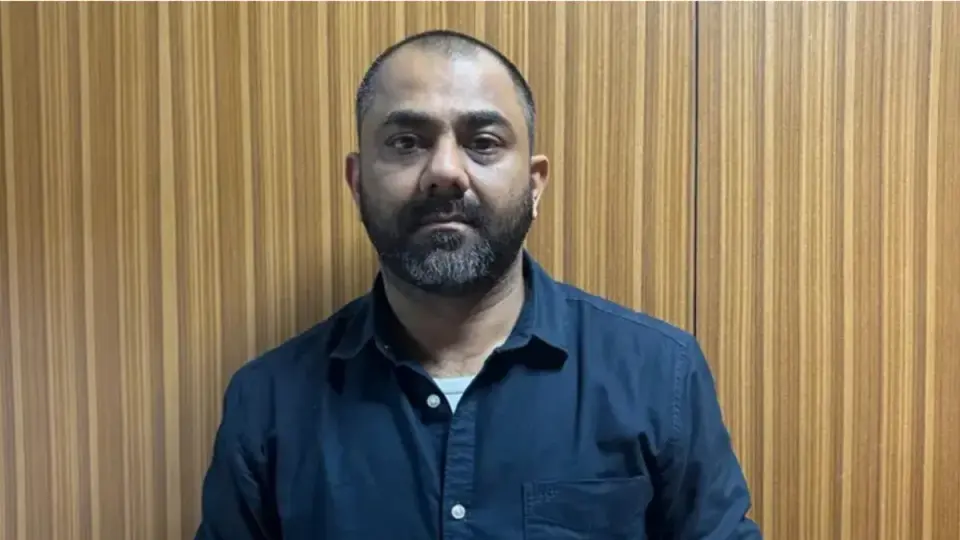
Deportation of Nirav Modi fraud suspect Mistry marks swift INTERPOL success
The Central Bureau of Investigation (CBI) has secured the deportation of Sandeep Mistry from the UAE to India, wanted in connection with the multi-billion-dollar Punjab National Bank (PNB) fraud case linked to fugitive diamantaire Nirav Modi, organiser.org reports. The operation was carried out in coordination with India's Ministry of External Affairs (MEA) and Ministry of Home Affairs (MHA).
Mistry was arrested by UAE authorities following the publication of an INTERPOL Red Notice against him in July 2026. He was traced, apprehended, and repatriated to India within approximately two months of the notice being issued — a timeline CBI described as reflecting swift international coordination.
Upon arrival in India, Mistry was taken into custody by officers of CBI's BSFB Mumbai unit, produced before a competent court, and remanded to jail.
Forgery, coercion and self-deleting messages
According to CBI, Mistry served as a central operational link between several entities involved in the fraud. He supervised day-to-day activities and issued instructions via clandestine, self-deleting communication platforms designed to conceal evidence.
Investigators allege Mistry facilitated the preparation of forged import-export documents to create the appearance of legitimate trade in diamonds, gold, and pearl jewellery — transactions that were in fact fictitious. He also participated in siphoning funds from bank accounts held by dummy companies in the UAE.
In addition, CBI alleges that Mistry and co-accused coerced dummy directors of foreign companies by threatening them with arrest, relocating them, confiscating their electronic devices, and compelling them to sign documents falsely presenting them as genuine company owners. A charge-sheet in the case has been filed before the competent court.
The broader fraud, registered by CBI's BSFB Mumbai, is alleged to have involved fictitious international trade transactions amounting to nearly USD 2 billion.
London court orders Modi to pay USD 10.7 million to Bank of India
In a separate but related development, the London Circuit Commercial Court has ordered Nirav Modi to pay more than USD 10.7 million — over ₹100 crore — to Bank of India, in connection with a loan extended to a Dubai-based company he promoted.
The dispute originates from a loan facility granted by Bank of India to Firestar Diamond FZE in 2012, predating the PNB fraud's public exposure. On 3 August 2012, Modi executed a personal guarantee in favour of the bank, undertaking personal responsibility to repay the loan should the borrowing company default.
Modi has been held in a London prison since 2019, contesting extradition proceedings initiated by India.
Financial deterioration and Modi's own email
Court records show that the financial position of the Firestar Group deteriorated sharply after investigations into the alleged banking fraud surfaced in early 2018. In February of that year, CBI registered its first FIR in connection with the PNB case.
According to the court, Modi himself sent an email to Bank of India acknowledging that adverse media coverage had severely damaged the group's business operations and that the companies were no longer in a position to meet their liabilities.
The court found that Bank of India was fully entitled to accelerate the loan facility and enforce the personal guarantee once those conditions materialised.
Modi's legal arguments rejected
Modi challenged the recovery proceedings in London. His lawyers contended that the personal guarantee was unenforceable, that the bank had failed to issue a valid demand for payment, and that Modi had not received notices sent in April 2018 and October 2025 because he was absent from India at the time.
The court rejected all of these arguments. It found that the notices had been properly served, noting in particular that the October 2025 demand notice had been sent directly to the UK prison where Modi is currently held. The court also noted that his legal representatives had received a copy of the April 2018 notice in 2019, establishing his awareness of the bank's demand.
Extradition battle continues at European court
The London ruling represents a further legal setback for Modi in the United Kingdom. In March this year, the UK High Court rejected his bid to reopen his challenge against extradition to India, relying on assurances provided by the Government of India.
Modi is currently pursuing remedies before the European Court of Human Rights in an attempt to halt extradition. He remains wanted by both the CBI and the Enforcement Directorate in connection with the alleged PNB fraud.
Source: Google News AE