FlyDubai co-pilot cleared despite extremism flag — how security failed
Hamam al-Hammami, the Omani co-pilot accused of attacking his captain on Flight FZ1073, had previously been barred from flying in Oman over alleged extremist views.
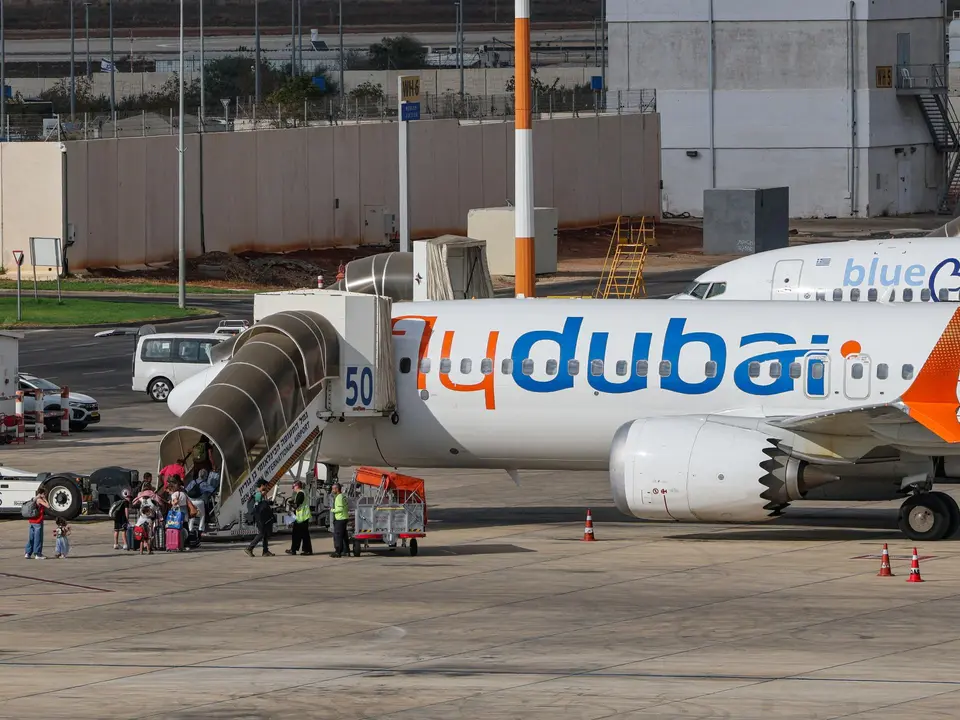
FlyDubai co-pilot had been barred in Oman over extremist views before Tel Aviv flight
The co-pilot accused of attacking the captain of a FlyDubai flight bound for Tel Aviv with an emergency axe had previously been removed from flying duties in Oman because of concerns about alleged "extremist" views, aljazeera.com reports. The September 30 incident aboard Flight FZ1073 has exposed significant gaps in pilot vetting and international aviation security.
The co-pilot has been identified as Hamam al-Hammami, an Omani national, according to multiple media reports. The United Arab Emirates has described the incident as an attempted "terrorist" operation. Investigators are still working to establish al-Hammami's motive and whether anyone else was connected to the attack.
Removed from flying at Oman Air, then hired elsewhere
Al-Hammami had been moved to an administrative role at Oman Air after Omani authorities concluded he had adopted extremist views, sources told the AP news agency. He was subsequently hired by Flydubai.
A Gulf diplomat told AP that al-Hammami had undergone standard security checks before being hired, though the extent of his vetting was not immediately clear. A LinkedIn profile bearing his name, reported by CNN, indicated he spent seven years at Oman Air before leaving in February 2025. The profile showed he then joined Royal Air Maroc in June 2025 and left in January of this year.
It remains unclear what his alleged views consisted of, or whether Oman informed other countries or airlines of its concerns before he was rehired in the Gulf.
No global standard for pilot background checks
Background checks for commercial pilots vary by airline and country, with no single global standard governing the process, an airline pilot and instructor told Al Jazeera. The captain, who spoke on condition of anonymity, said pilots are generally required to obtain aviation medical certification from the regulator in the country where they are licensed to fly. In the UAE, that responsibility falls to the General Civil Aviation Authority (GCAA).
Some airlines require prospective pilots to provide police clearance certificates from their country of residence as part of pre-employment screening, the pilot added.
One standard check is a Class 1 medical assessment, which typically covers vision, hearing, cardiovascular and neurological health, and conditions that could cause sudden incapacitation. Security rules also mandate background checks for personnel with unescorted access to restricted areas. Psychological assessments, drug and alcohol testing, and other evaluations may be required depending on the jurisdiction.
Israeli security lists: information received, no alert raised
Israel operates some of the world's most stringent aviation security measures, making the breach all the more striking. Under a law passed in 2023, airlines must provide crew and passenger information — including names and nationalities — to Israeli authorities up to 48 hours before a flight. The Israel Tax Authority confirmed to the Haaretz newspaper that it had received the relevant lists for Flight FZ1073.
According to Haaretz, that information is also supposed to be accessible to Israeli security bodies, including the Mossad, the police, and Shin Bet, in order to identify people who may pose a risk. The Transportation Ministry's Security Department and the Mossad are responsible for vetting foreign flight crews and issuing alerts if concerns emerge — but two security sources told Haaretz that whilst the Transportation Ministry holds that responsibility "on paper", it does not have its own intelligence capacity.
Israeli Prime Minister Benjamin Netanyahu said Israel has longstanding arrangements with foreign airlines aimed at preventing pilots who are nationals of countries without diplomatic relations with Israel from operating flights there. Oman has no diplomatic ties with Israel. Netanyahu described the breakdown as a "loophole" and said Israel would now strengthen its checks.
UAE vows no tolerance for extremism
The UAE has not publicly established a motive for the attack or announced whether investigators believe al-Hammami acted alone. UAE presidential adviser Anwar Gargash said on Saturday that the incident served as a fresh warning that the region's struggle against extremism is not over.
"This underscores the importance of the UAE's early and firm stance: no tolerance for extremism and no leniency towards its rhetoric. Security begins with confronting hatred and drying up the sources of extremism," Gargash posted on X.
The incident has prompted urgent questions about how information on individuals flagged for security concerns in one country is — or is not — shared across borders and airlines, and whether existing vetting frameworks are adequate to prevent people with alleged extremist ties from accessing cockpits on international routes.
Source: Google News MT