Coca cultivation in Bolivia rises 7% in 2025: UNODC alerts over transnational mafias
Bolivia reached 36,400 hectares of coca cultivation in 2025, 65% above the legal limit, whilst eradication plummeted to historic lows.
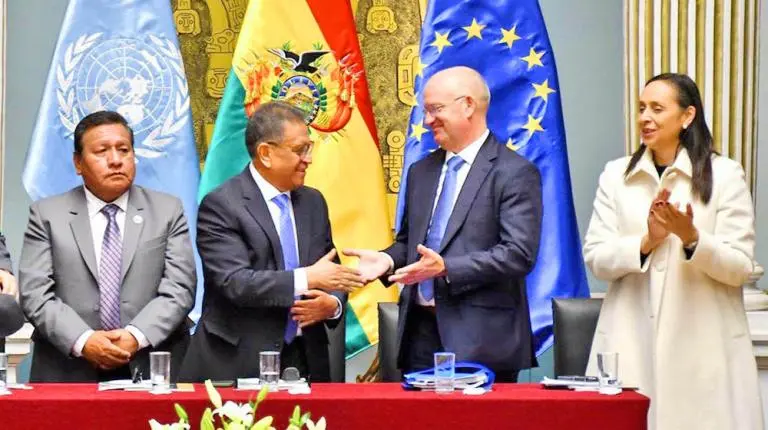
Bolivia exceeds legal coca limit by 65% and UNODC warns over organised crime
According to lostiempos.com, the area under coca leaf cultivation in Bolivia reached 36,400 hectares in 2025, representing an increase of 7% compared to the 34,000 hectares recorded in 2024, according to a report by the United Nations Office on Drugs and Crime (UNODC).
The figure exceeds by 65% the legal limit of 22,000 hectares established by Law 906 and extends the upward trend observed since 2023, when 31,000 hectares were recorded.
Government Minister Marco Antonio Oviedo noted that the increase was especially pronounced in the Cochabamba tropics, where cultivation grew by 22%, and more moderate in northern La Paz, with an increase of 4%. Oviedo acknowledged that the data are concerning, although he assured that the new anti-drug policy, in force until 2030, would seek to reverse the situation.
Bo Mathiasen, director of the UNODC Operations Division, was more forthright in his assessment. "Yes, there are obviously mafias and connections with transnational organised crime operating in Bolivia too, we have to take that into account," the official declared.
Mathiasen further emphasised that Bolivia can no longer be considered solely as a transit country. "Bolivia is indeed a producer country, it is a cocaine producer country," he affirmed, and explained that a significant portion of coca leaf cultivated in the country "is transformed into cocaine hydrochloride" destined for international markets.
The deteriorating situation is aggravated by a drastic fall in eradication efforts: hectares intervened fell from nearly 10,000 in 2024 to just 2,732 during 2025, a reduction of over 7,200 hectares in a single year.
The context of violence reinforces the UNODC's alerts. During August, Bolivia registered a wave of assassinations and clashes attributed to territorial disputes between the Brazilian organisations PCC and Comando Vermelho, both linked to international drug trafficking and with active presence on Bolivian territory.
Source: Google News BO — Crime