USA restricts visas for two former Bolivia attorneys-general over drug trafficking and corruption
Washington imposed visa restrictions on Roger Mariaca and Juan Lanchipa, former attorneys-general of Bolivia, over alleged links to drug trafficking and corruption.
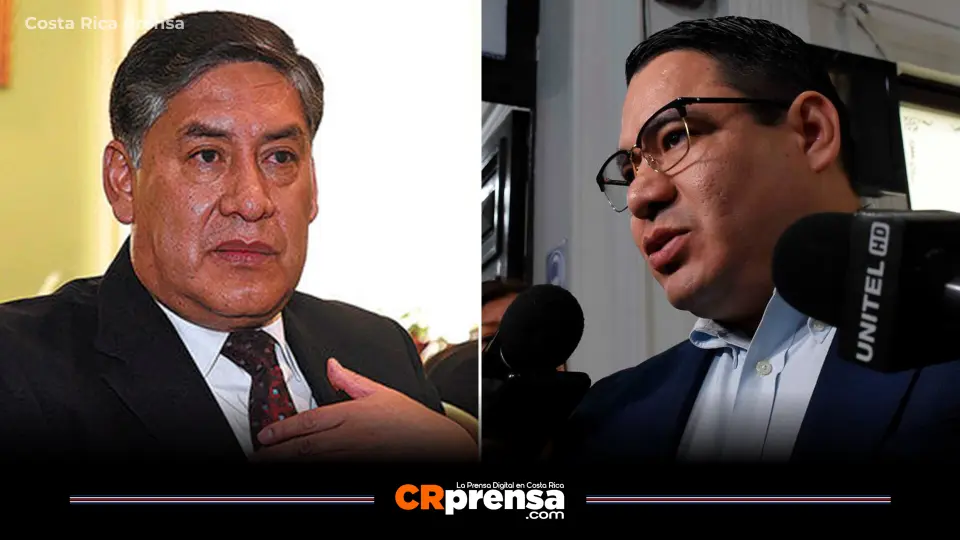
United States sanctions former Bolivian prosecutors Mariaca and Lanchipa
According to crprensa.com, the United States Department of State has imposed visa restrictions on the former attorneys-general of Bolivia Roger Mariaca and Juan Lanchipa, whom it links to alleged acts of drug trafficking and corruption. The measures form part of a broader Washington offensive against Bolivian authorities and former officials.
The first list was published in late September and included Mariaca, accused of having facilitated drug trafficking and helped criminals evade justice. Two days after the announcement, Mariaca was detained at Santa Cruz airport. The Bolivian Government accuses him of heading a "criminal organisation" within the Attorney-General's Office, intended to "protect, encourage and shield drug terrorism in the country".
Mariaca, 38 years old, served as departmental prosecutor of Santa Cruz before being elected in 2024 as attorney-general for a six-year term. His appointment had the backing of more than two-thirds of the Legislative Assembly, although it generated suspicions of vote-buying that were never proven.
A second round of migration restrictions, released by the Donald Trump administration, included Juan Lanchipa, who held the position of attorney-general between 2018 and 2024, during the administrations of Evo Morales, Jeanine Áñez and Luis Arce. His inclusion broadens the scope of the Department of State sanctions on the top echelons of the Bolivian Public Ministry.
Lanchipa's tenure was marked by questions about the independence of the Attorney-General's Office. Elected in 2018 with the majority vote of the Movement Towards Socialism (MAS), he adapted his actions to successive changes of government. Following Morales's fall in 2019 and during Áñez's interim government, he drove proceedings against former MAS authorities, imprisoned ministers and issued an arrest warrant against Morales for sedition and terrorism.
Jerjes Justiniano, former minister of the Presidency during the Áñez government, recounted in an interview with radio Erbol that at the start of the interim government he distrusted Lanchipa, to which the then prosecutor responded: "The Public Ministry stands completely at your service". With the return of the MAS to power in November 2020 under Luis Arce, proceedings against Morales were archived by the same Attorney-General's Office and trials were opened against former authorities of the interim government. During this period, former president Áñez and two of her ministers, among other former officials, were imprisoned.
The new United States list also includes deputies, judges, prosecutors and other high-ranking officials and former officials. Washington contends that the restrictions target individuals who, through alleged acts of corruption or activities linked to drug trafficking, undermine the democratic institutions of the region.
The case of both former prosecutors raises questions about the capacity of Bolivian institutions to prevent protection networks for drug trafficking within the state apparatus, at a time when the administration of president Rodrigo Paz seeks to strengthen cooperation with the United States in security matters and the fight against organised crime.
Source: Google News BO — Crime