US revokes visas for over 60 Colombian and Bolivian officials over narco-crime
The State Department withdrew visas from senior officials in both countries over alleged ties to drug trafficking and corruption. Bolivia accounts for 40 of those affected.
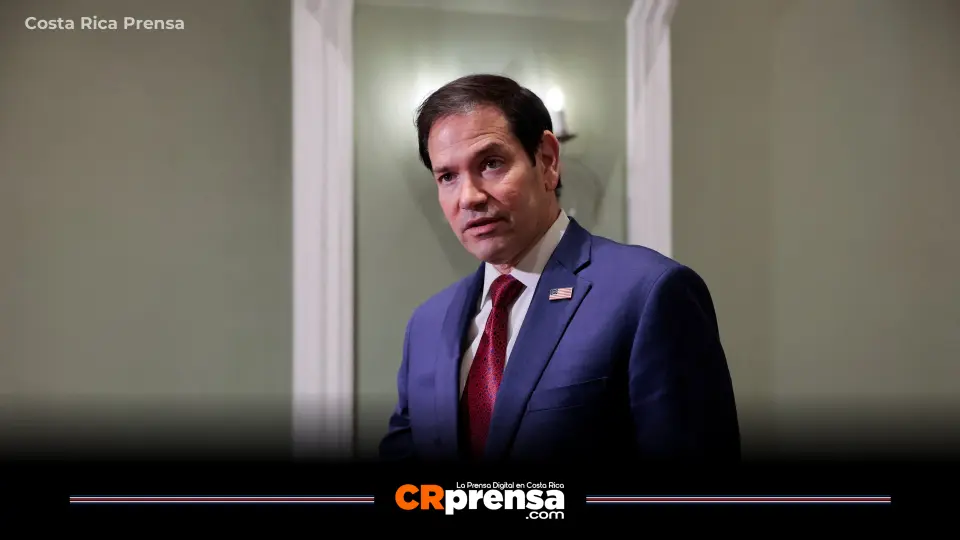
Washington sanctions dozens of Colombian and Bolivian officials for links to organised crime
The United States State Department revoked visas for over 60 officials, former officials and politicians from Colombia and Bolivia, accused of alleged ties to drug trafficking and corruption, according to crprensa.com. The measure is part of the Donald Trump administration's campaign against organised crime in Latin America.
In Colombia, one of the most prominent names is Ricardo Roa Barragán, former president of state-owned petroleum company Ecopetrol and former manager of Gustavo Petro's 2022 presidential campaign. Roa faces criminal investigations related to his management at Ecopetrol and his role in that campaign. The State Department stated that the decision supports the government of President Abelardo de la Espriella in its efforts to eliminate criminal influence.
Among Colombians included in the list are also Yahir Acuña, mayor of Sincelejo; elected senator Wadith Manzur, who never took office due to an arrest warrant; and Chamber representative Karen Manrique, detained in connection with the corruption case involving the National Unit for Risk Management (UNGRD). The list is completed by former senators Julio Chagui and Liliana Esther Bita, and former deputy José Ignacio Mesa Betancurt. Colombia joined the Shield of the Americas alliance following De la Espriella's inauguration in August.
Bolivia accounts for the largest portion of the sanctions: 40 citizens affected, including 15 current or former public officials and 25 direct family members of these individuals. Among the names made public are former attorney general Juan Lanchipa Ponce and former prosecutor Armando Rojas. Also appearing are Judge Julio Alba Flores; magistrate Aldo Quezada, president of the Santa Cruz Departmental Court of Justice; and co-ordinating prosecutor of the Controlled Substances Unit in that city, Julio César Porras Velarde. Rony Suárez Milliet, investigated for his relationship with drug trafficker Sebastián Marset, is also listed.
Since September, Washington has revoked visas for dozens of Bolivian judges, prosecutors and police officers for judicial corruption or ties to drug trafficking. This offensive has already resulted in the detention of a former attorney general of the country. Among the other sanctioned Bolivians are former prosecutor Félix Balderas; former police commander of Tarija and former director of the Special Force to Fight Drug Trafficking (FELCN), Freddy Bismarck; former director general of Migration Katherine Calderón; director of the General Service for Personal Identification, Óscar Ortiz; former head of airport security for the FELCN at Viru Viru International Airport, Fernando Velasco; former director of the Financial Investigation Unit (UIF), Diego Alejandro Barboza; and deputies Rafael López and Rolando Pacheco.
The State Department stated that the Trump administration supports the Bolivian government in its efforts to eliminate criminal influence in the country's courts, police forces and legislative branch. This action adds to that of 28 September, when Washington revoked visas for another twenty senior Bolivian officials, including then attorney general Roger Mariaca, accused of soliciting and receiving bribes to facilitate drug trafficking and subsequently detained by Bolivian police.
The fight against drug trafficking in the Americas has been a priority of Trump's foreign policy since his return to the White House in January 2025. The United States is Colombia's principal partner in combating cocaine production and trafficking.
Source: Google News BO — Crime