Supreme Court quashes portion of search warrant for company in Eurychou
The Supreme Court ruled that the wording of a search warrant in a money-laundering case granted excessively broad powers to the police.
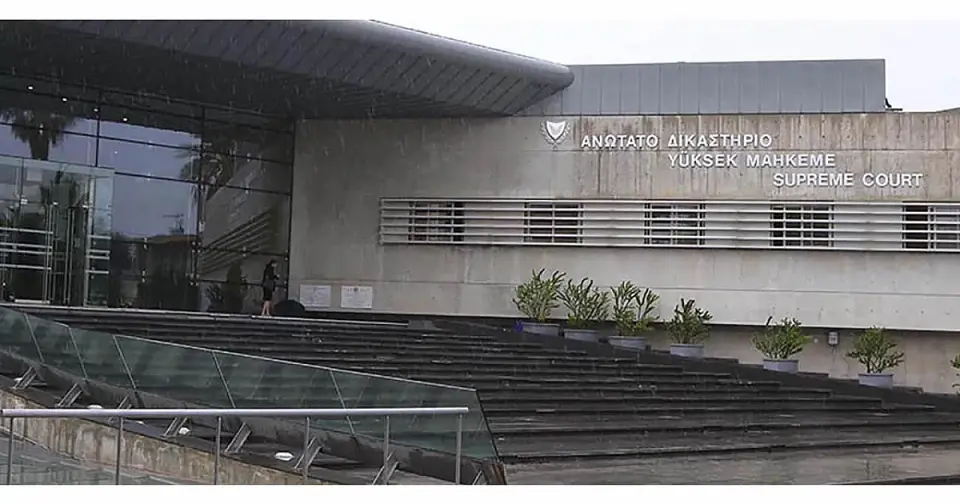
Supreme Court: Portion of search warrant for company in Eurychou granted "impermissibly broad" powers
The Supreme Court yesterday quashed part of a search warrant issued in February 2026 for a company premises in Eurychou. According to the decision, as reported by Politis, the wording of the warrant gave excessively broad discretionary powers to the police regarding what could be seized during the search.
The case concerns a criminal investigation into suspected money laundering from illegal activities. The police investigation began following information received in late 2024 and early 2025, centring on financial transactions and the company's funding during the 2017–2020 period.
From the police affidavit accompanying the warrant, it emerged that the company's director had allegedly financed the business with a total of over €744,000 during that period, without adequately substantiating the source of those funds. On the basis of these facts, the contested warrant was issued.
The company did not challenge the whole of the warrant but targeted exclusively the provision that authorised the police to locate and seize "anything else relating to the offences under investigation". The defence argued that the wording was overly general and vague, as it did not specify particular items or documents.
The Supreme Court agreed with this position. In its decision, it emphasised that "it is essential that the warrant contains a specific description of the things and items which the police are able to locate and recover", in order to avoid granting "impermissibly broad discretionary powers".
The Court ruled that "in the absence of specification of the thing, authorisation to seize anything relating to the offence under investigation amounted to an authorisation for police officers executing the warrant to seize anything, according to their own discretion and not that of the judge who issued it".
In conclusion, the Supreme Court determined that the specific portion of the warrant "was not lawful" and issued a Certiorari warrant, quashing exclusively the provision relating to the seizure of "anything else relating to the offences under investigation". The remainder of the warrant remains in force.
Source: Politis