The "Sandi" Case: Unanswered Questions Despite the Collapse of the Narrative
Lawyer Achilleas Aimilianidis points out that key claims in the "Sandi" case have been refuted, but critical questions remain unanswered.
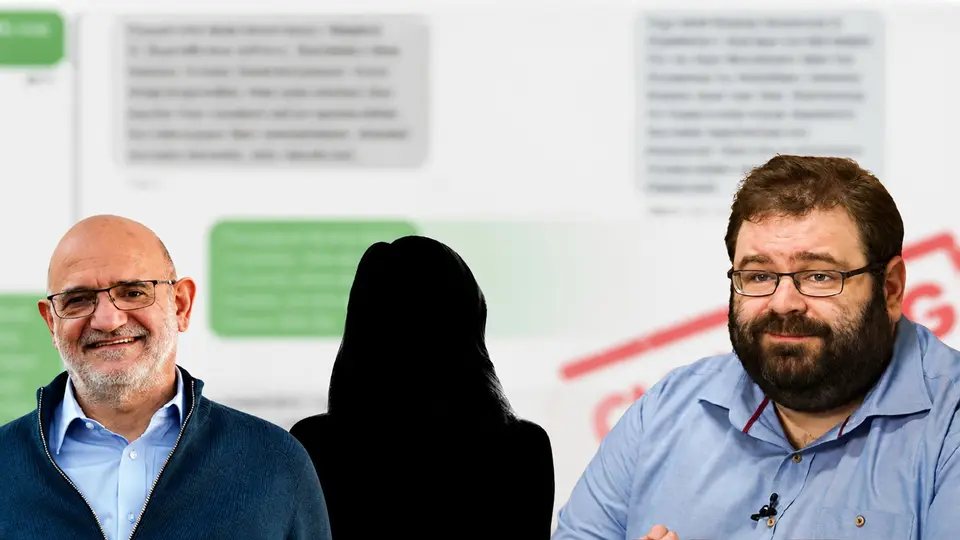
Aimilianidis on "Sandi": "Claims Have Been Refuted – Critical Answers Still Missing"
Key claims in the "Sandi" case have been proven false, yet significant questions continue to remain unanswered. This is the first legal assessment of the Police report, as submitted to Philenews by lawyer Achilleas Aimilianidis, commenting on what was presented during the press conference held by Police Chief Themistous Arnaoutis.
"From the moment the narrative was based on the messages and from the moment their content is refuted, obviously the claims collapse as well," Mr Aimilianidis stated. Specifically, he characterised as false the claims about "Sandi's" trip to Nice, whether she had been abused, as well as the trip to Germany.
The Questions That Were Not Answered
Despite the refutation of these aspects, Mr Aimilianidis highlighted that the Police did not clarify certain critical points. First, it was not made clear what "Sandi's" motive was and why she referred to specific individuals. Second, the question of the identity of "user 6" remained unanswered, given that it was proven this was not the judge. Third, it was not explained what followed after messages were sent by Costas Clerides to the former judge.
"What happened? Did the former judge respond to him? Where were the phone numbers of the individuals involved found and why were those specific people chosen? These questions must be answered in order for us to say that there is full satisfaction of the sense of justice," he emphasised, adding that further clarification from the Police is needed.
Mr Aimilianidis identified an additional gap in the question of how "Sandi" came into contact with court case numbers. "Who was giving 'Sandi' court case numbers and how did she learn to use them? These are questions that require answers," he said.
Civil Claims for Defamation
Mr Aimilianidis also referred to the options available to those accused through the disputed messages. As he explained, those who faced charges for participation in a criminal group or for corruption "now have the ability to take civil action and claim compensation for defamation and damage to their personal reputation".
Regarding responsibility for the publication of the material, Mr Aimilianidis distinguished between the roles of those involved. He noted that "Sandi" is the central figure who created and distributed the messages to third parties. According to him, the same messages were also given to another journalist, as well as to Nikos Clerides. "There is no claim that Makarios Drousiotes created the messages," he clarified.
"A Candidate MP and Not a Journalist"
Regarding Makarios Drousiotes' role in publishing the narrative, Mr Aimilianidis raised a question of capacity. During the period when the information was published, Mr Drousiotes was a candidate MP and not a journalist, he pointed out.
"A journalist has very clear obligations when handling material. If he makes specific accusations, he simultaneously has specific responsibilities. Even a journalist, when conducting an investigation, does not mean he can accuse anyone of criminal offences," Mr Aimilianidis stated.
He added that the person responsible for the publication should have sought the position of those involved, the investigation should have been complete and good faith, and the manner of presenting the information should not have created certainty about something that had not been confirmed. Also, once it is established that the information is untrue, a retraction and apology must follow. "I will not prejudge anything, but I do not believe that the established principles that someone would follow if acting as a journalist were adhered to," he concluded.
Next Steps in the Police Investigation
Regarding the course of the criminal investigation, Mr Aimilianidis explained that the Police must proceed to take statements from those being examined as potential defendants, as the next procedural step within the framework of the investigation into possible criminal offences.
Source: Philenews