Self-proclaimed 'King of Germany' Peter Fitzek stands trial in Düsseldorf
Four leaders of the banned extremist group 'Kingdom of Germany' went on trial in Düsseldorf on Friday. Self-styled king Peter Fitzek faces charges of running a parallel pseudo-state.
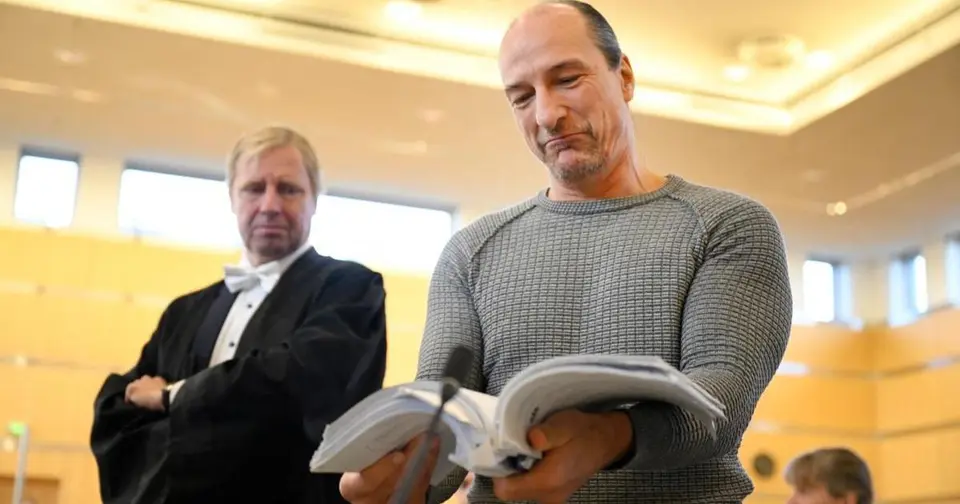
Düsseldorf trial opens against leaders of banned 'Kingdom of Germany' movement
Four leaders of the banned extremist group "Kingdom of Germany" appeared before the Düsseldorf Higher Regional Court on Friday, Times of Malta reports, among them the self-declared "supreme sovereign" Peter Fitzek, 61.
Fitzek, a former chef and karate instructor, founded the organisation in 2012. He and the three other defendants were detained in May 2025, when Germany's interior ministry formally banned the group.
The Federal Prosecutor's Office charges the four men with leading the "Kingdom of Germany" — known in German as "Koenigreich Deutschland" — an offshoot of the "Citizens of the Reich" ("Reichsbuerger") movement, which denies the legitimacy of the modern German republic.
The organisation "aimed to abolish the system of the Federal Republic of Germany and replace it with its own pseudo-state structures," chief prosecutor Ingo Kaiser told the court.
Prosecutors allege the group established parallel institutions, issued its own currency and identity documents, and operated an insurance scheme for its approximately 6,000 members.
As "supreme sovereign", Fitzek held "control and decision-making power in all key areas", the prosecutor's office said. In court, Fitzek insisted on being addressed as "Peter the First", prompting judge Jan van Lessen to rule that the defendant was refusing to "provide proper information regarding his personal details".
In a 2023 interview with AFP, Fitzek said founding the organisation had been the only response to what he described as the "mass manipulation" present in German society. His followers, he told AFP from Wittenberg — the group's original base in eastern Germany — tended to be people with a "pioneering spirit" who "want to make a positive change in this world".
Long dismissed as fringe malcontents, the Reichsbuerger movement has grown increasingly radicalised in recent years and is now regarded by German authorities as a mounting security threat. The Düsseldorf case is one of several proceedings across the country targeting the movement's members.
In 2022, a separate group that included a former member of parliament and ex-soldiers was arrested over a plot to storm parliament, topple the government and install aristocrat and businessman Prince Heinrich XIII Reuss as head of state. Reuss and a number of accomplices have been on trial in Frankfurt since 2024.
Source: Times of Malta