Payment fraud in Germany: One in four already a victim, AI intensifies the situation
According to Adyen, one in four Germans has already become a victim of payment fraud. Nearly one in five avoids online shopping as a result.
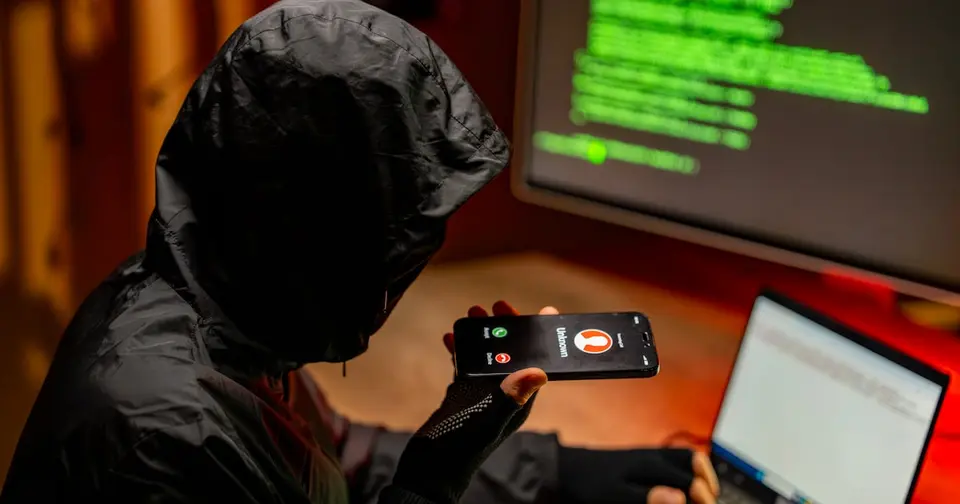
Online fraud affects one in four – Generation Z particularly at risk
One in four consumers in Germany has already become a victim of payment fraud, according to fintech platform Adyen. The average damage was €394. As chip.de reports, in Generation Z almost every other person is affected.
22 per cent of those surveyed stated they fear criminals using artificial intelligence. Fake emails, text messages, calls and videos are used to steal access credentials or authorise payments. Stolen card data is also used via mobile payment services.
This concern is reflected directly in shopping behaviour: nearly one in five purchases are made in physical shops out of fear of fraud. In almost a quarter of surveyed merchants, the number of fraud attempts increased within a year.
Criminals are also using AI for deceptive complaints and fake refund requests. Automated requests specifically target weaknesses in return policies, making it harder for companies to distinguish legitimate claims from abuse.
The Federal Criminal Police Office (BKA) assesses the situation as remaining tense. For 2025, authorities registered around 335,000 cases of cybercrime in the narrow sense – the actual unreported figure is likely to be considerably higher according to the BKA, as many offences are not reported. AI-powered tools enable perpetrators to prepare attacks more quickly, more precisely and more professionally.
The consumer advice centre also warns of AI-generated phishing emails, deepfake calls and fake shops. It recommends not opening unknown links and attachments, and securing online purchases and banking with two-factor authentication.
When receiving unexpected messages, consumers should not use any links, QR codes or phone numbers mentioned, but instead access the official app or website directly. For calls in which alleged relatives ask for help in an emergency, the consumer advice centre recommends calling the person in question back using a known number before sending money or disclosing data.
Source: Google News AT — Crime (de)