Mario Redondo Llenas freed after 30 years in prison for cousin's murder in Dominican Republic
Mario José Redondo Llenas was released after serving 30 years of a sentence for the abduction and murder of his cousin José Rafael Llenas Aybar, a child, in 1996. Judge Miolany Herasme Morillo formalised the release on 28 April.
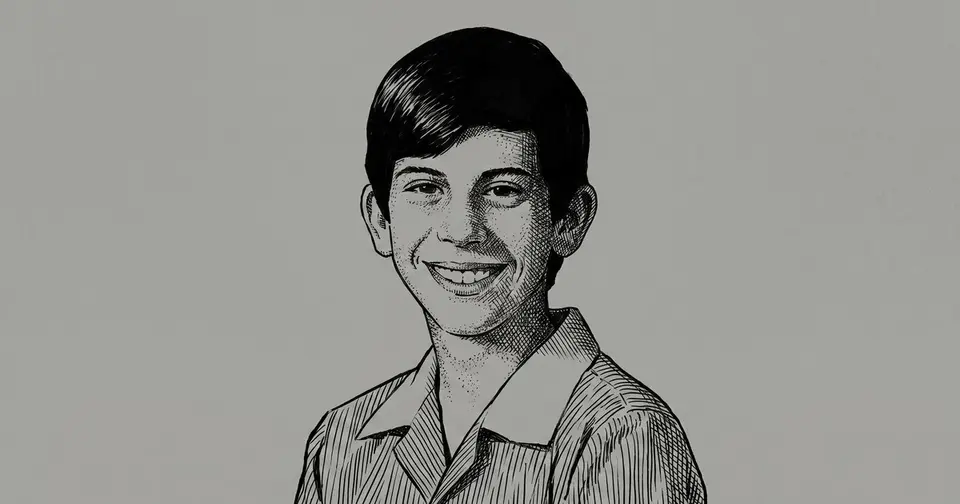
Release of convict in Llenas Aybar case reignites debate over justice in Dominican Republic
According to infobae.com, Mario José Redondo Llenas was freed after serving the entire 30-year prison sentence imposed in 1996 for the abduction and murder of his cousin José Rafael Llenas Aybar, a 12-year-old boy. The decision was formalised on 28 April by Judge Miolany Herasme Morillo, who instructed the Najayo-Hombres Correction and Rehabilitation Centre to execute the release.
The crime shook Dominican society three decades ago. Redondo Llenas, along with his accomplice Juan Manuel Moliné Rodríguez, invited the boy to a motor exhibition and held him captive with the aim of demanding 10 million pesos as ransom. The boy was murdered with 34 stab wounds and found bound in a stream, following a search led by his mother, Ileana Aybar de Llenas.
The investigation advanced decisively when investigators found a piece of paper with the telephone number of Moliné Rodríguez's girlfriend in the victim's hand. Both confessed their involvement to the authorities. The criminal proceedings established Redondo Llenas as the perpetrator of the wounds and Moliné Rodríguez as a direct participant. The Criminal Chamber of the Supreme Court made the sentence final: 30 years for Redondo Llenas and 20 years for Moliné Rodríguez.
Moliné Rodríguez, who was arrested on 5 May 1996 at just 18 years old, obtained his freedom on 5 May 2016 after serving his sentence at the Najayo-Hombres Correction Centre. The release order was executed in accordance with article 440 of the Dominican Penal Code, as explained at the time by Judge Willys Jesús Muñoz. During his years of imprisonment, Moliné Rodríguez sought conditional release on two occasions, but both petitions were rejected, according to data from Diario Libre.
Redondo Llenas followed a similar path during his incarceration. He unsuccessfully attempted to obtain conditional release and review of his sentence on repeated occasions. In each instance, the justice system maintained that the entire sentence had to be completed. In court hearings, the convicted man expressed remorse: "I am sorry. I deeply regret it and I will regret it for the rest of my life," and presented certificates of courses completed in prison as proof of his rehabilitation process.
The family of José Rafael Llenas Aybar maintained a firm stance against any form of early release for years. Backed by psychiatric reports, they argued that Redondo Llenas suffered from an "antisocial personality disorder" of an irreversible character, which, in their view, justified differentiated penal treatment. The judicial system did not accept these arguments and applied the law in its strictest terms.
The impact of the Llenas Aybar case was profound and lasting. The crime altered the perception of security in Dominican society and accelerated the debate over institutional weaknesses in crime prevention and punishment. Media coverage of the period made the family's pain visible and amplified the social demand for justice, turning the case into a point of reference in the country's collective memory.
The release of Redondo Llenas represents the formal completion of the sentence imposed three decades ago. The judicial outcome closes, but the questions about social and moral reparation that the case raised remain without a definitive answer in Dominican society.
Source: Google News DO — Crime