Dominican Republic consolidates position as principal cocaine trafficking hub in the Caribbean
The port of Caucedo has become the epicentre of cocaine transit towards Europe and the United States, with record seizures in 2024 that exceed the totals of previous years.
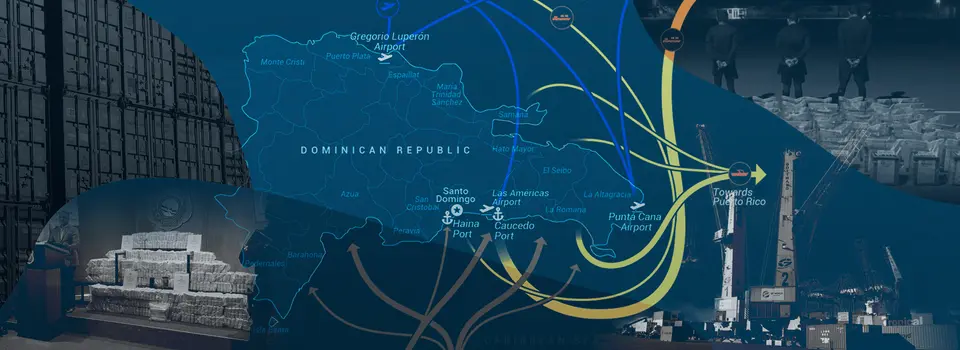
Dominican Republic consolidates position as principal cocaine trafficking hub in the Caribbean
The port of Caucedo, the largest in the Dominican Republic and located east of Santo Domingo, has transformed into the nerve centre of transnational cocaine commerce that connects South America, North America and Europe. According to an investigation by InSight Crime, the country's authorities have reported a significant increase in drug seizures during the present year.
By the end of June, the National Drug Control Directorate (DNCD) had confiscated nearly 17 tonnes of cocaine. In April alone, authorities seized more than 7.6 tonnes in five separate operations conducted at the port of Caucedo. The largest of these seizures, close to 1.2 tonnes, was discovered in a container bound for Rotterdam. These April figures surpassed the total seizures recorded throughout 2018 and 2019 combined.
The strategic location of the Caribbean nation, situated between the producer nations of South America and the consumer markets of the United States and Europe, explains in part its appeal to transnational drug traffickers. Colombia and Venezuela lie just 1,600 kilometres from Dominican coasts. Fast boats and fishing vessels transport the drug from those countries to uninhabited beaches on the southern coast, especially in the provinces of Barahona and San Pedro de Macorís.
The crews of these vessels, known as transporters, are typically composed of a mixture of Dominicans, Venezuelans and Colombians. Once on land, the cocaine passes along roads to international ports. A 2022 report by Italy's Anti-Drug Directorate documented how authorities have tracked the routes of specific shipments using distinctive seals that traffickers use to identify packages within large consignments.
A significant portion of the drug that arrives at beaches in the south ends up in the port of Caucedo, where it is temporarily stored or transshipped to other containers bound for abroad. The majority of cocaine circulating in the Dominican Republic is destined for the growing European market. Last year, DNCD intelligence collaborated with various governments to seize 6 tonnes of the drug in Europe.
In January of this year, anti-narcotics agents discovered 1.2 tonnes of cocaine concealed within a shipment of bananas. The container originated in Guatemala and was bound for Belgium. Alberto Arean Varela, Caribbean coordinator of the Container Control Programme of the United Nations Office on Drugs and Crime (UNODC), explained to InSight Crime that shipments intercepted at transit points may have been contaminated at several locations: at their origin, in the transit country or at some intermediate point.
Drug traffickers have also used trucks to move drugs within the port. In March of this year, an attempt of this kind ended in a shootout when authorities caught a group of port employees and lorry drivers in the process of transferring cocaine from a container to a vehicle. The criminals fired at agents and fled towards nearby wooded areas.
In addition to maritime trafficking, authorities regularly seize substantial quantities on commercial and private flights. Most cocaine destined for the United States crosses the Mona Channel from the Dominican east coast to Puerto Rico.
Source: Google News DM — Crime