Lyhanna murder: psychologist alerts to escalation of sexual criminal behaviour
Psychologist Johanna Smith emphasises that early intervention could have stopped suspect Jérôme Barella. France Info questioned her on the notion of "criminal career".
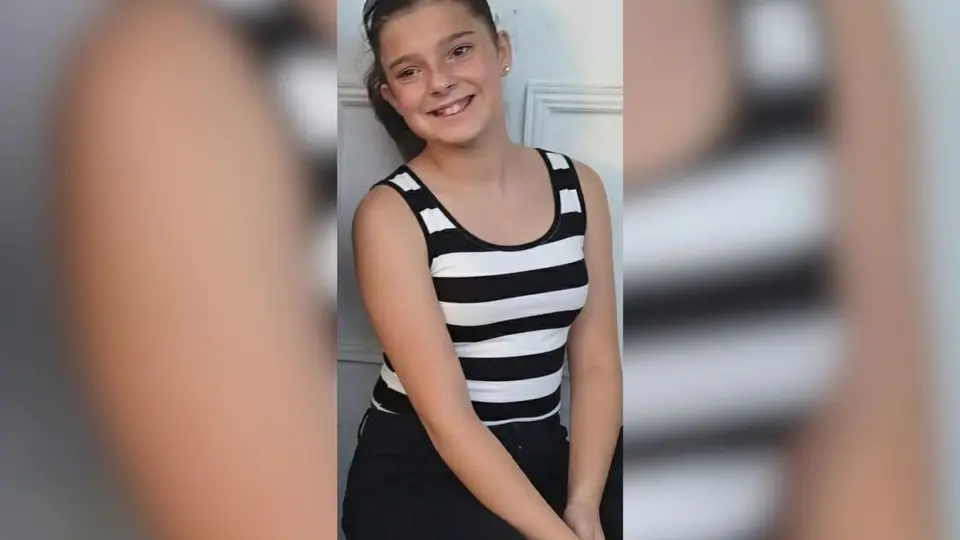
Lyhanna case: "The faster we intervene, the more of a deterrent it is"
A report for inappropriate behaviour towards a 17-year-old secondary school pupil in 2017, then suspicion regarding the abduction and murder of an 11-year-old schoolgirl nearly ten years later. The history of Jérôme Barella, the principal suspect in the Lyhanna case, is striking. This 42-year-old father of a family was never questioned by the courts, despite two reports and two rape complaints.
According to France Info, which interviewed psychologist Johanna Smith — a specialist in sexual violence perpetrators and author of the work Protect Your Child from Sexual Violence — this absence of judicial intervention raises a central question: did it favour the escalation of violent acts?
A "criminal career" that progresses in stages
For Johanna Smith, the trajectory of Jérôme Barella can be explained by the concept of "criminal career", developed in Quebec. "Sexual crime perpetrators often have a typical, ideal scenario: a sexual act of such a type with a child of such an age", she explains. They progress through trial and error towards this act, refining their approaches and methods of silencing. A man may thus begin with indecent exposure while what motivates him is progressing to a more serious act.
Detecting these first warning signs remains difficult, the psychologist acknowledges. Out of ten indecent exposers, only one may decide to go further. "The other nine will be seen, seen again, convicted, without necessarily any escalation. This can dull the vigilance of investigators", Smith points out. She cites the example of Dominique Pélicot, arrested for filming up women's skirts, before far graver facts were discovered — he was sentenced to twenty years' imprisonment for having drugged and delivered his wife to dozens of men.
The key role of swift sanction
The psychologist insists on the deterrent effect of early intervention. "The faster we intervene on detectable problematic behaviour, the more of a deterrent it is", she states. When a sanction comes quickly, the brain more easily establishes a cause-and-effect link between the behaviour and its consequences. This presents a dual benefit: prevention of reoffending and reduction of serious cases to deal with on a judicial level.
The accounts of victims illustrate this escalation dynamic, according to Smith. "The first steps are visible to everyone, but without correction, the situation worsens." She also points to a significant lack of resources in child protection and a shortage of training for professionals, calling for "courageous choices on the part of the government".
Society and public authorities on the front line
Beyond the courts, the psychologist calls for a collective response. "The dysfunction of the justice system aggravates the situation, but society has a role to play, as do the politicians who govern it, in setting a code of conduct on what is accepted or not, even before it becomes illegal", she states.
She also mentions existing community measures: "circles of support and accountability", created in Canada, which mobilise volunteers — comparable to sponsors in Alcoholics Anonymous — to support sexual offenders during periods of vulnerability. These circles are beginning to develop in Europe and France for recidivists. Johanna Smith suggests deploying them further upstream, in particular in conjunction with the Stop telephone service, intended for people sexually attracted to children.
A judicial system under pressure
The controversy surrounding dysfunctions in the Lyhanna case is intensifying, whilst French judges regularly denounce a lack of resources. The schoolgirl's body was discovered in the Gers. Jérôme Barella remains the principal suspect. No conviction has yet been handed down in this case.
Source: France Info