Dismantling of maritime fuel smuggling network on Naxos – 7 arrests
Seven arrests and three more individuals named in case file for fuel smuggling in the Cyclades. Among those accused are customs officials.
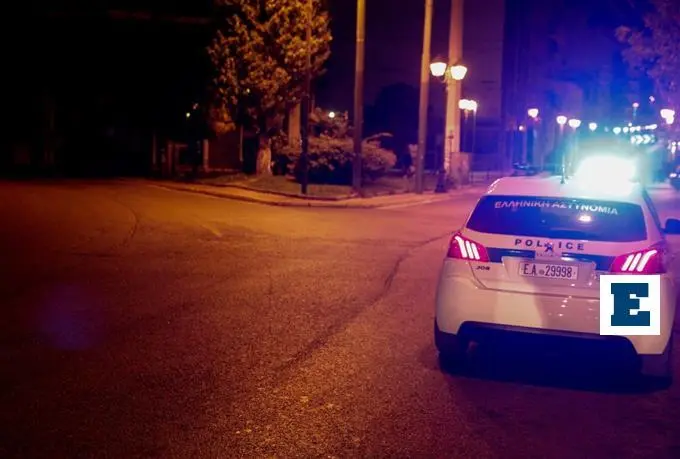
Maritime fuel smuggling network on Naxos – customs officials in dock
A criminal organisation distributing untaxed maritime fuel in the Cyclades has been dismantled by the Internal Affairs Service of Greek Police security forces (the "Incorruptibles"), in an operation carried out on Tuesday 6 October on Naxos. According to Ethnos, seven individuals were arrested during the operation — six private citizens and one employee of Naxos Customs House — whilst three more individuals are named in the case file, including a second customs employee.
The organisation is alleged to have been operating at least since August 2025. To date, at least 13 instances of fuel smuggling and 15 instances of bribery of Customs House employees have been established.
The leader's role and bribery
According to police sources, the leading role in the group was played by a private citizen who owned vessels on Naxos and used them for patient transport from islands in the Cyclades. In order to secure these assignments continually, he is alleged to have bribed doctors at Naxos Health Centre and employees of the Port Authority.
At the same time, to maximise profit from the operation of the vessels, he used untaxed diesel fuel that was legally intended for fishing vessels — bribing customs and port authority employees to omit mandatory checks during refuelling.
Method of operation: illicit transfers via pump
According to police, members of the organisation transferred quantities of diesel fuel from vessels entitled to tax exemption to other vessels that did not meet the corresponding conditions. The transfer was carried out using a flexible hose and a special pump, at regular but unscheduled time intervals. In this way, payment of Special Consumption Tax and VAT was circumvented.
During a spot check conducted by an Internal Affairs team — in collaboration with the Smuggling Prosecution Service of the Greek Revenue Authority — on two vessels moored at a marina on a Cyclades island, it was found that a pump was operating connected between the fuel tanks of the two ships. By the time of the check, 3,650 litres of untaxed maritime fuel had already been transferred.
The roles of the six defendants
From the prolonged preliminary investigation, distinct roles emerged for each member:
- 80-year-old: central figure in the companies managing four professional tourist vessels and one fishing vessel; members of his family had been placed in key positions within the companies.
- 50-year-old (ship captain): undertook a significant portion of operational coordination, gave instructions to other members and determined the timing and quantities of illegal transfers.
- 28-year-old (captain of second vessel): carried out transfers following instructions from the 50-year-old.
- 42-year-old (crew member): participated in the carrying out and coordination of illegal transfers, jointly with the 50-year-old.
- 53-year-old: had taken on the administrative, secretarial and financial management of the companies, was informed of refuelling operations — including irregular ones.
- 63-year-old (ship captain): received instructions from the 50-year-old regarding the timing of transfers and participated in their execution.
Bribery of customs officials – 10 to 30 euros per refuelling
During legitimate vessel refuelling operations, sums of money ranging from 10 to 30 euros were paid to customs employees. At least 15 such instances of bribery have been established.
In the case file that has been drawn up, the charges include — as applicable — criminal organisation, forgery, fraud, violation of the National Customs Code and the Code of Public Maritime Law, bribery and acceptance of bribes by a public official, as well as violations of weapons and antiquities legislation. Two further private individuals are named in the case file for forgery and fraud, and one customs employee for acceptance of bribes.
The investigations commenced following anonymous complaints concerning improper conduct by employees of the Port Authority and Customs House on Naxos, doctors at Naxos Health Centre, as well as private individuals.
Source: Ethnos