Wastewater treatment cartel: 16 defendants released on bail up to €500,000 for defrauding the State
The Judicial Court of the Comarca of Braga charged 16 defendants with defrauding the State, money laundering and soil pollution, in the context of the "Cloaca Máxima" operation.
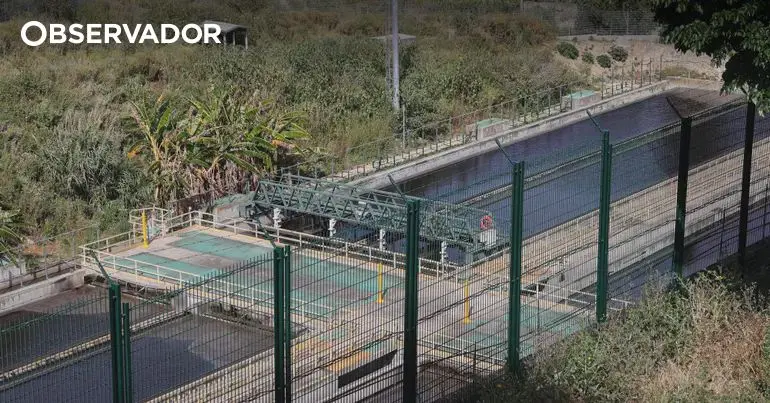
"Wastewater treatment cartel" charged with defrauding the State and contaminating agricultural soils
The 16 defendants arrested as part of the so-called "Wastewater treatment cartel" were released following their initial hearing at the Criminal Instruction Court of Guimarães on Friday, subject to bail payments ranging from €10,000 to €500,000. According to the Observador, the court also ordered the suspension of duties, a prohibition on contacts between those involved and the freezing of the companies under investigation linked to the group.
The court found that all defendants remained silent during their first judicial interrogation. Nevertheless, the Judicial Court of the Comarca of Braga declared that all were "strongly suspected of the facts set out in the public prosecution's charging dispatch", stressing that "the evidence gathered so far is robust and categorical as to the authorship of the facts and corresponding crimes imputed to the defendants".
Scheme active since at least 2009
According to the judicial dispatch, the group operated in a criminal scheme since at least 2009 — and possibly before, given environmental violations recorded previously. The defendants are suspected of having received from the State "monetary sums as financial compensation for the provision of services for the collection, transport, treatment and recovery of wastewater treatment sludge, without, correspondingly, having completed such operations in the legally required and contractually owed terms".
The court characterised this conduct as "a scheme of money laundering and defrauding the State", involving millions of euros.
Three years of investigation and thousands of wiretaps
The investigation, conducted by the GNR as part of the "Cloaca Máxima" operation, lasted more than three years and included surveillance activities and thousands of telephone intercepts. According to the dispatch, these proceedings "made it possible to confirm that this scheme is carried out across almost the entire national territory with the participation of several natural and legal persons".
In a statement released on Thursday, the GNR indicated that the crimes in question include pollution, document forgery, computer fraud, money laundering and criminal association, involving "an alleged coordinated action between waste management operators, transporters and other participants in the unloading, spreading and incorporation of sludge into soil".
Heavy metals and micro-organisms disseminated in soil
The court detailed in the dispatch the environmental damage imputed to the group. The defendants reportedly disseminated "in the soil, micro-organisms harmful to human health" and introduced "in a repeated and uncontrolled manner, heavy metals subject to legally fixed limit values — namely cadmium, copper, nickel, lead, zinc, mercury and chromium — both in the sludge intended for agricultural application and in the recipient soils".
According to the Judicial Court of the Comarca of Braga, the suspects acted "freely and knowingly, in a repeated and continuous manner", altering "in a significant and lasting way, the quality" of the soil and interfering "with its normal conservation and evolution". The court added that the defendants "were well aware that such substances were capable of reaching groundwater lines and contaminating them".
Scheme with ramifications throughout the country
The judicial dispatch emphasises that the legal and natural persons involved acted "in a coordinated manner", proceeding "in a repeated, recidivist and abusive manner" to carry out collection, transport, storage, sorting, treatment and recovery operations of wastewater treatment sludge. The court noted that, despite these companies having been previously subject to environmental violations, "nothing stopped them".
Source: Observador