Operation "Batas & Betão": arrest at Aveiro ULS raises questions over political appointment
Ricardo Correia de Matos, president of Aveiro ULS, was arrested on suspicions of corruption. The case exposes flaws in the recruitment process and in political accountability.
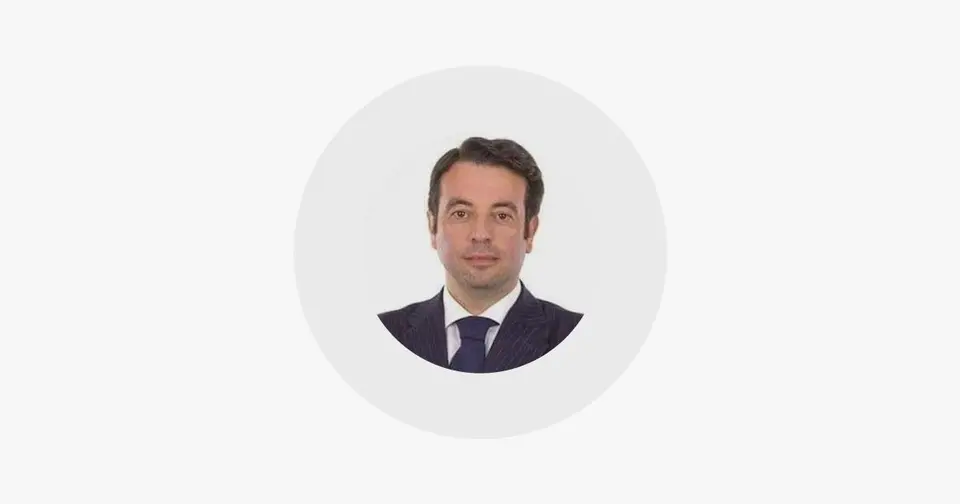
Arrest at Aveiro ULS calls into question process for selecting senior public official
Ricardo Correia de Matos, president of the Local Health Unit (ULS) of the Aveiro Region, was arrested by the Judicial Police as part of Operation "Batas & Betão". According to Observador, he is under investigation on suspicion of active and passive corruption, economic participation in business dealings, abuse of power and traffic of influence.
Among the facts under investigation are alleged favouritism in public procurement procedures at the Order of Nurses and the Portuguese Red Cross, with suspicions of financial and property counterparts. The arrest raises questions that extend beyond his individual trajectory.
The pandemic episode and the contracts in Ovar
In 2020, during the most critical period of the Covid-19 pandemic, news became public regarding business dealings with Ovar Municipal Council for the supply of masks and personal protective equipment. A newly formed company, Staysafe, allegedly supplied protective material just ten days after its creation, according to journalistic investigation disclosed at the time.
Ovar was then under a sanitary cordon, with a population in a situation of severe vulnerability. The circumstances of those contracts — the supplier selection procedures, the role of each participant and the application of public funds — remain to be fully clarified.
Advance access to interview questions
The most serious aspect of the case concerns the very process of appointment to the presidency of Aveiro ULS. According to information disclosed about the investigation, Correia de Matos allegedly had advance access to the questions that would be put to him in the interview by the Commission for Recruitment and Selection for the Public Administration (CReSAP).
This access was allegedly provided by a lawyer who claimed to have influence with one of the jury members and who guaranteed that the appointment was assured. If confirmed, these facts mean that a procedure designed to ensure transparency, merit and equal opportunities will have functioned in practice with a previously predetermined outcome.
Dismissal does not close off the political question
The Minister for Health, Ana Paula Martins, announced the dismissal of the ULS president following his arrest. That decision may be necessary given the gravity of the situation, but it does not eliminate questions about the circumstances of his appointment.
Political accountability does not begin with an arrest. It begins at the moment when leaders are selected, their track record is evaluated, their suitability is verified and it is ensured that recruitment procedures are genuinely transparent. The Minister must explain what criteria underpinned this choice, what evaluation was conducted, what verification mechanisms were used and whether there were warning signs that were overlooked.
The removal from office alone cannot close off political debate.
Presumption of innocence and political scrutiny are distinct spheres
Any person benefits from the presumption of innocence until a final judicial decision. That principle does not, however, relieve political officials of the obligation to account for the decisions they have made. The Justice system establishes criminal accountability; politics has the obligation to establish political accountability. These are distinct spheres and cannot serve as an excuse for one another.
When citizens witness appointments surrounded by suspicion, procedures allegedly manipulated and dismissals that only occur following intervention by the judicial authorities, there grows a conviction that the public interest is frequently subordinated to networks of influence. It is this perception — fuelled by a succession of cases — that continues to undermine the confidence of the Portuguese people in the political class.
What the case demands
The Aveiro ULS case cannot be closed with a dismissal and some public statements. It demands serious reflection on the manner in which public leaders are chosen and on the accountability of those who appoint them.
Corruption erodes institutions. Impunity destroys trust. And the absence of political accountability compromises democracy itself.
Source: Observador