UN Report: Over 900,000 Rounds Diverted from Dominican Stockpiles to Haiti Gangs
A UN Panel of Experts found 908,001 rounds missing from Dominican Republic police stockpiles in 2024, with evidence linking the ammunition to armed gangs in Haiti.
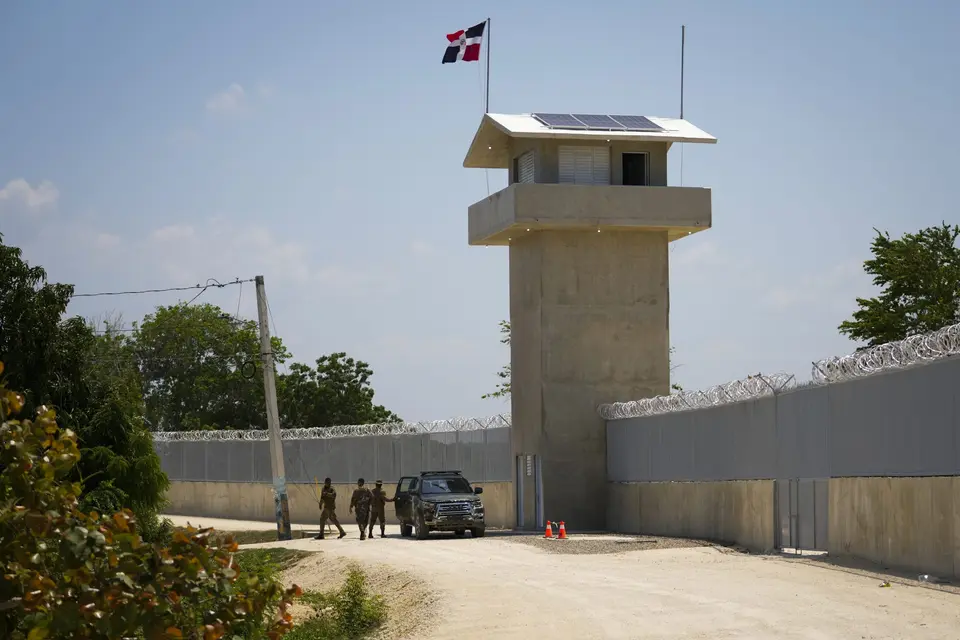
Dominican Republic Ammunition Traced to Haiti Gang Arsenals, UN Experts Say
A UN Panel of Experts on Haiti has found that 908,001 rounds of ammunition were diverted from Dominican Republic police stockpiles in 2024, with substantial evidence that a significant portion reached armed gangs operating in Haiti, haitiantimes.com reports.
The 94-page report, released on October 6 by the UN Integrated Office in Haiti (BINUH), traces the investigation to a 2024 seizure of several crates containing 5,000 rounds of 5.56 × 45 mm ammunition in Mirebalais. Dominican authorities subsequently inventoried their police stockpiles and uncovered the full scale of the diversion.
The panel said it could not determine the exact quantity that crossed the border, but Dominican security experts told investigators that most of the material was likely transported to Haiti, given the limited domestic market for those specific calibers.
"It is difficult to accurately estimate how much of the material reached Haiti," the UN experts said. "However, some Dominican security experts explained that, given the relatively limited market for 5.56 × 45 mm and 7.62 × 39 mm ammunition in the [DR], most of the material was likely transported to Haiti, where these two calibers are among the main types used by gangs."
ERD-Marked Rounds Found Among Gang Seizures
During inspections in February 2026, the Panel of Experts examined ammunition seized from Haitian gangs and identified several types of rounds bearing the marking "ERD" — an abbreviation for Dominican Republic Forces. Dominican and Colombian authorities confirmed to the experts that the ammunition had been purchased in 2022 under two separate contracts with the Dominican Armed Forces and the Dominican Ministry of Defense.
The panel noted that the Dominican Armed Forces' practice of marking their ammunition, while intended to aid stock management and deter diversion, also made it possible to trace the rounds back to their origin.
Further evidence came from a December 2025 arrest in San Juan de la Maguana, where a second lieutenant in the Dominican Armed Forces was detained alongside a Haitian national while transporting 1,516 rounds of ammunition by motorcycle.
'400 Mawozo' Leader Filmed with Surplus .50-Caliber Rounds
The experts also analyzed video footage showing Wilson "Lanmo San Jou" Joseph, leader of the 400 Mawozo gang, displaying distinctive surplus .50-caliber ammunition. Rounds subsequently recovered from the gang in 2026 were identified as having been manufactured in the Dominican Republic in the 1950s.
The Dominican government told the panel that this surplus ammunition was being destroyed and that no diversion had been detected. The experts, however, found evidence that some of it ended up in gang hands. The exact chain of custody remains unclear, the panel noted, adding that quantities of the ammunition — originally imported for the U.S. civilian market — were still available for purchase on collectors' websites.
"At least 15 of the 32 [.50-caliber] rounds documented by the Panel of Experts were manufactured in the Dominican Republic," the report stated.
Haitian Police Stockpiles Also Compromised
The report did not limit its findings to Dominican sources. An inventory of 336 rounds of 7.62 × 51 mm ammunition seized by police from gangs in Bel-Air in 2026 revealed that 70% originated from diverted Haitian National Police (PNH) stockpiles.
"The police have arrested several corrupt officers, some of whom were involved in trafficking arms and ammunition on behalf of Chalè, the leader of the Tokyo gang," the UN experts said. "Some police officers retrieve unused ammunition and resell it to gangs and self-defense groups."
The panel also documented 5.56 × 45 mm ammunition matching rounds imported by the Haitian Armed Forces (FAD'H) in the possession of gangs and a self-defense group. The Ministry of Defense told the panel in May 2026 that some of the FAD'H-imported ammunition had been transferred to the police.
The experts concluded that the absence of a centralized system for managing seized weapons and ammunition — many of which are not properly recorded — creates persistent opportunities for diversion by corrupt officers.
Jamaica Connection and Ongoing Gang Violence
The report also cited a July 2026 investigation by Jamaican authorities into drug-for-arms exchanges involving criminal groups in Jamaica and Haitian actors. Jamaican authorities told the UN Panel of Experts they had seized 51 weapons belonging to the PNH in Jamaica.
The UN panel noted that arms and ammunition trafficking remains highly profitable in Haiti, where demand from armed gangs is particularly intense in and around Port-au-Prince. Residents throughout the capital and surrounding areas continue to face severe gang attacks, with armed groups openly displaying weapons and ammunition.
Neither Dominican authorities, the Haitian National Police, nor the Haitian army had publicly responded to the report as of the time of publication.
Source: Google News DM — Crime