Alfie Conway-Ryle convicted of murder after Southwark Park stamping denied victim cancer care
Alfie Conway-Ryle, 26, was found guilty of murder at Croydon Crown Court after a brutal attack left William Ffrench unable to receive cancer treatment. Ffrench died in March 2025.
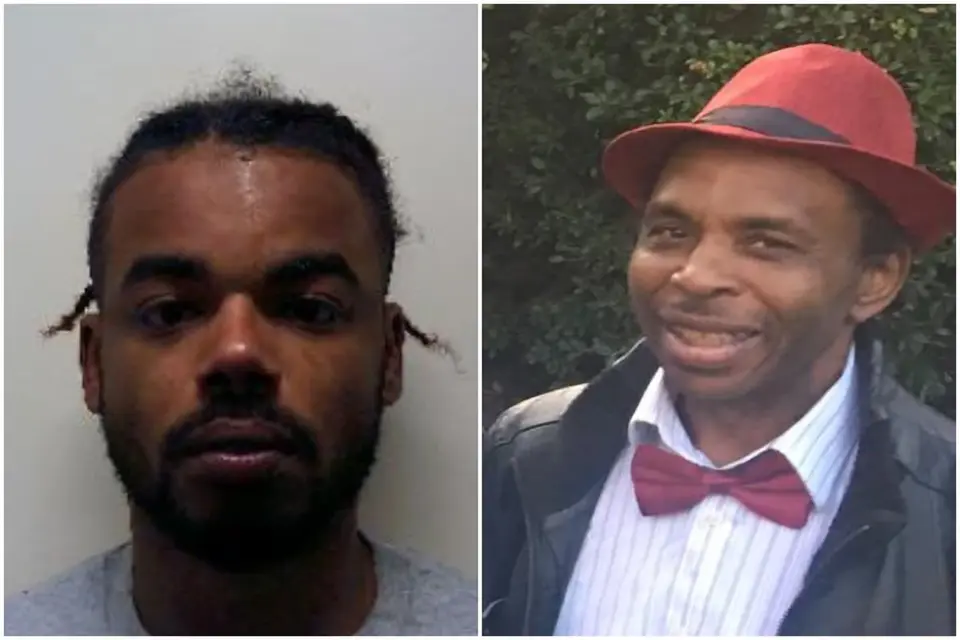
Croydon Crown Court convicts man of murder after assault blocked victim's cancer treatment
Alfie Conway-Ryle, 26, of Ilderton Road in Southwark, was found guilty of murder on Wednesday at Croydon Crown Court, standard.co.uk reports. The conviction follows a complex investigation in which detectives established that a savage attack in June 2024 had directly denied the victim the chance to receive potentially life-saving cancer treatment.
William Ffrench, 66 — known to family and friends as Owen — was assaulted by Conway-Ryle in Southwark Park after the two became involved in an altercation near Surrey Canal. CCTV footage captured Conway-Ryle telling a bystander he intended to kill Mr Ffrench, before tripping him and stamping repeatedly on his head. More than 15 stamps were delivered in approximately 40 seconds.
Mr Ffrench sustained a catastrophic brain injury, extensive facial fractures, and broken ribs. He never regained consciousness.
In the months that followed, Mr Ffrench was diagnosed with lung cancer. Medical professionals determined he was too unwell from his injuries to undergo treatment. He died in March 2025.
Detectives subsequently launched a murder investigation, working alongside specialist clinicians to establish the causal link between the assault and his death. Their findings concluded that Conway-Ryle's attack had deprived Mr Ffrench of "potentially life-saving cancer treatment" and had materially contributed to his death.
Detective Inspector Richard Mackenzie, who led the investigation, said: "The investigation did not end with Owen's assault. Following his death, detectives were faced with the complex and unique task of understanding the long-term impact of the injuries inflicted by Conway-Ryle. Working alongside a range of specialist medical experts, we established that those injuries left Owen unable to receive treatment for cancer diagnosed months later, denying him the opportunity of potentially life-saving care."
Mackenzie described the evidentiary challenge as instrumental to the case. "This evidence was instrumental in proving the assault had fatal consequences long after the attack itself," he said, adding that Owen's family had endured "an unimaginably long and painful journey" since June 2024.
In a statement, Mr Ffrench's family described him as "the life and soul of this family, teaching us all how to live life and enjoy every single moment." They said he was "somebody's son, somebody's brother, and a truly loving, caring, and selfless man who had endless time for every one of us."
The family noted that following the death of his brother in 2001, Mr Ffrench had stepped in without hesitation to act as a father figure to the siblings and a grandfather to the nieces and nephew. "When the family lost his brother in 2001, our uncle stepped up without hesitation to be a father to the siblings and a grandfather to the nieces and nephew, ensuring everyone felt protected, cherished, and never alone," the statement read.
They said they never had a chance to say goodbye and that Mr Ffrench "did not deserve this cruel and senseless violence." The family thanked the legal team, police, and medical professionals who "fought tirelessly" on their behalf.
"Your remaining brothers will continue to look after us, so don't worry, uncle. Justice has been served. You can rest easy now," the statement concluded.
Conway-Ryle is due to be sentenced at Croydon Crown Court on 4 December.
Source: The Sun