Buckingham Palace doubles cyber security budget amid Russian hacking threat
The Royal Family has more than doubled taxpayer-funded cyber security spending, from £2.4m to £5.6m, following a 2023 attack by pro-Russian hackers.
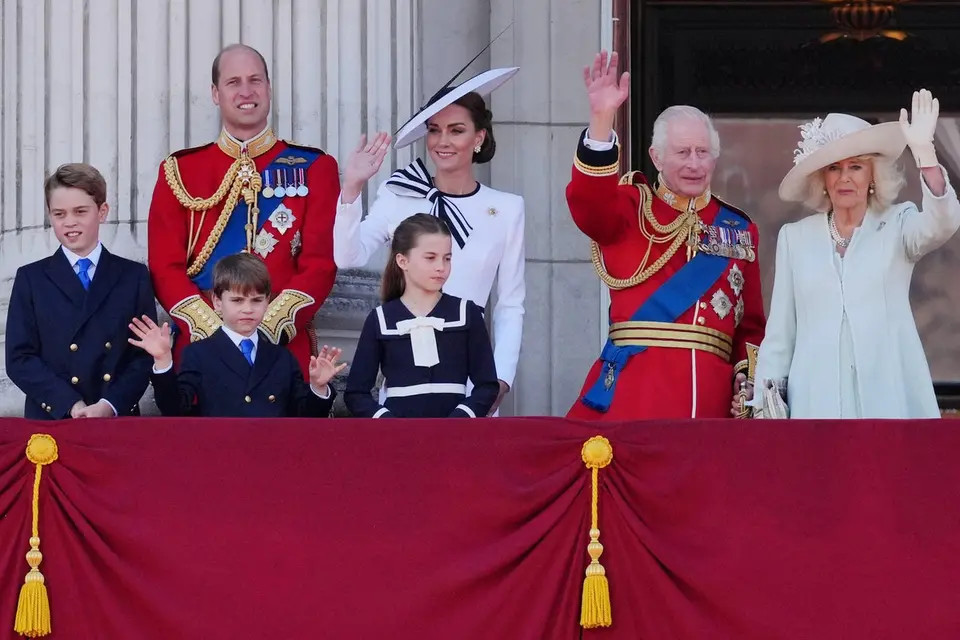
Royal cyber security overhaul as Kremlin-linked hackers target the Palace
Buckingham Palace has more than doubled its taxpayer-funded cyber security spending in response to a growing threat from Russian-linked hackers, The Independent reports.
Digital services expenditure has risen from £2.4m in 2016–17 to £5.6m in 2025–26 — a real-terms increase of £1.8m — according to figures published in this year's Sovereign Grant review presented to the government. The additional funds will be used in part to replace what the palace described as "ageing" computer systems.
The scale of the threat became clear in October 2023, when the pro-Russian hacking group KillNet took the Royal Family's official website, royal.uk, offline for approximately 90 minutes. The group claimed responsibility and said the attack was part of a wider campaign against Western institutions supporting Ukraine. It was not the first attempt: KillNet had also claimed a failed effort to hack Prince William's website in November 2022.
The cyber threat has extended beyond direct attacks on royal systems. A recent NHS data breach exposed confidential files believed to be linked to patients at royal residences, including Windsor Castle and Sandringham. In 2024, a Russian disinformation network circulated a series of false claims about the British royal family as part of its information war against Ukraine — among them the fabricated allegation, spread via fake news sites, that King Charles had sold his Highgrove House residence to Ukrainian president Volodymyr Zelensky for £20m.
The Royal Trustees' 2026 review stated: "Expenditure also reflects the increasing importance of cyber security, as the threat landscape has evolved. The Household has prioritised investment in core capabilities, including the establishment of a dedicated Security Operations Centre and compliance with recognised standards such as the National Cyber Security Centre's Cyber Essentials scheme and Cyber Assessment Framework."
Over the past three years, the palace has recruited an information security manager and filled several positions within a dedicated cyber security team, including a manager tasked with developing risk and resilience against attacks. The review does not disclose whether any of the ageing systems have already been breached, or how many are in need of replacement.
The overhaul comes amid heightened tensions with Russia more broadly. On Wednesday, Andy Burnham expressed the UK's "full solidarity" with Germany after Berlin blamed Moscow for an attempted drone attack on Leipzig-Halle Airport last month — an incident in which an explosive-laden drone was found near a Ukrainian aircraft. Russia has also issued warnings in recent weeks that it may strike military targets in the UK and other countries supplying support to Ukraine.
Tan Singh Dhesi, chair of the Commons Defence Select Committee and Labour MP, said: "The British people should be under no illusion that the nation faces a significantly increased threat level, especially from Russia, but also we have a US leadership for whom European security is no longer a focus or priority, and that is why it is imperative that we invest in our armed forces in the here and now, rather than be sorry later."
Source: The Independent