Cleveland Police awarded extra £2m after A66 crash triggered crime wave
The Home Secretary has pledged £2m to Cleveland Police following the A66 crash that killed two officers and sparked a surge in serious crime. Local politicians say the sum falls far short of what is needed.
Government pledges £2m to Cleveland Police amid calls for long-term funding fix
Google News UK — Crime (en) reports that Cleveland Police is to receive an additional £2m in government funding, following a sharp rise in criminal activity in the wake of a fatal road collision that claimed seven lives, including two of its officers.
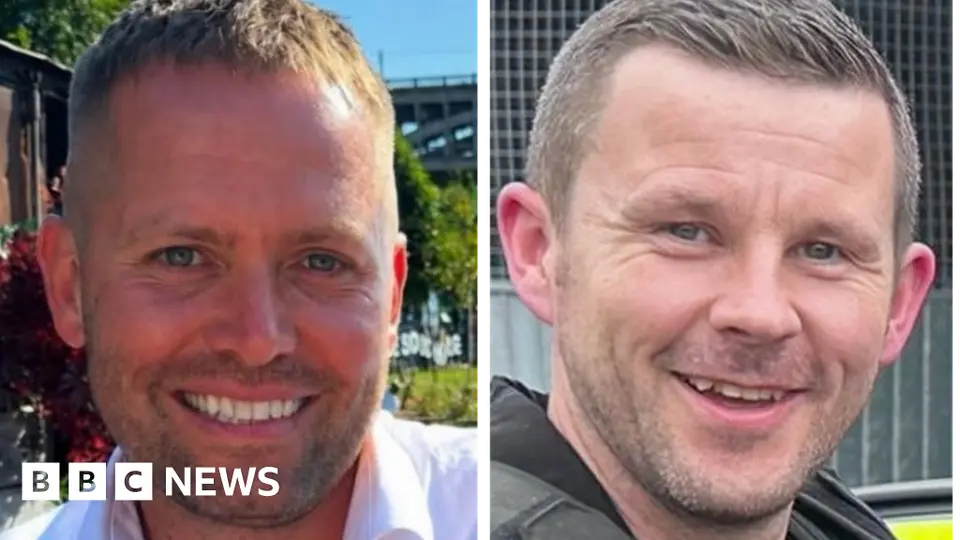
Home Secretary Shabana Mahmood announced the allocation in response to the crisis facing the force after the crash on the A66 at South Bank, near Middlesbrough, on 22 August. PC Matthew Blades and PC Tom Clough were killed, along with five men whose vehicle struck them following a pursuit.
Since the deaths, Cleveland Police has arrested 27 people in connection with activities linked to "serious and organised crime". Approximately 200 officers from other forces were drafted in to assist as the situation escalated — incidents included homes being rammed and vehicles set ablaze at a vigil for the crash victims.
Mahmood told the House of Commons: "In light of the situation the force has faced, we will allocate an additional £2m to Cleveland Police to tackle serious crime in the area. We will do our best to support the Middlesbrough community, which is hurting and grieving right now."
She added that she had heard calls from local MPs for a broader discussion about investment in policing and officer numbers.
Politicians on all sides question whether the sum is enough
The announcement drew swift criticism from across the political spectrum. Conservative MP Chris Philp described the £2m pledge as "wholly inadequate" and raised broader concerns about structural underfunding of the force. "This lawless gang chaos should never have been allowed to take root in the first place," he said.
Cleveland's Labour Police and Crime Commissioner, Matt Storey, was equally sharp in his response, calling the one-off payment "insulting" and "performative." He said it did "nothing to address the chronic underfunding that has disadvantaged policing in Cleveland for years."
Storey argued that the force requires at least £20m annually to recruit and retain 200 additional officers and to mount an effective response to serious and organised crime. He said the existing funding formula fails to account for the high levels of poverty and deprivation within the Cleveland force area, and called on the government to revise it immediately rather than waiting for the outcome of a policing reform inquiry due in 2034. "That's too long, we can't wait eight years — it should happen now," he said.
Highest crime rate in England and Wales
Labour MP for Middlesbrough and Thornaby East, Andy McDonald, told Mahmood that Cleveland Police recorded the highest rate of crime of any force in England and Wales — approximately 123 offences per 1,000 residents in the latest figures. He noted that the force had simultaneously experienced the largest percentage reduction in officer numbers since 2010.
"Police numbers are not the only factor, but a force facing the highest demand in the country needs the resources to respond," McDonald said. He acknowledged the £2m would cover some of the immediate shortfall but pressed for urgent and permanent correction of the funding gap.
Luke Myer, Labour MP for Middlesbrough South and East Cleveland, also called for a review of how policing funds are distributed.
Home Secretary commits to review
Mahmood accepted that the funding formula required examination and attributed the reduction in national officer numbers to decisions made by the previous Conservative government. She said she would meet with local MPs to discuss the broader funding concerns and would update Parliament once an independent review of police force structures had concluded.
The £2m remains in place in the interim, though critics across the political divide argue it represents a temporary measure against a problem that has been years in the making.
Source: Google News UK — Crime (en)