Early prison release scheme tightened: manslaughter and grooming offences excluded
Andy Burnham has restricted England and Wales's early release scheme after backlash, blocking killers of PC Andrew Harper and grooming gang offenders from eligibility.
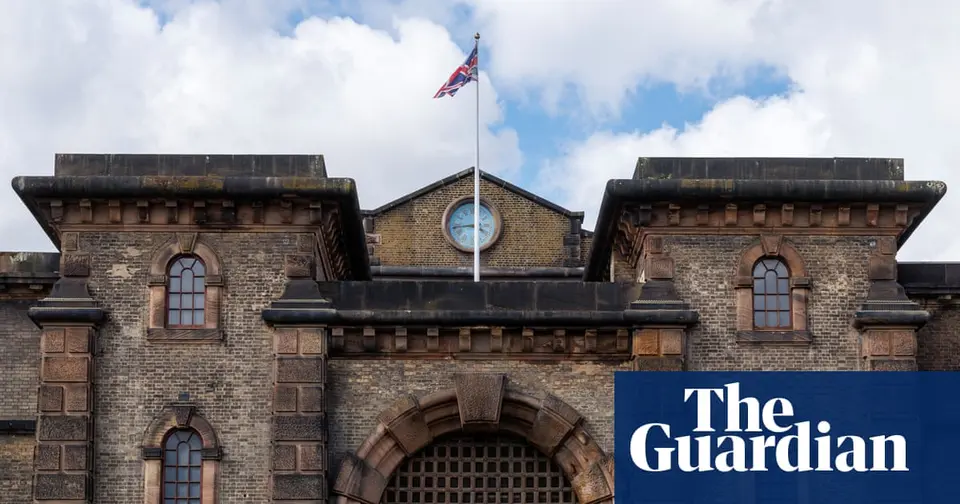
Burnham narrows early release scheme after public backlash over serious offenders
Killers of PC Andrew Harper and grooming gang perpetrators will be barred from England and Wales's early prison release scheme, Andy Burnham announced on Sunday, two days before parliament's return from recess. The Guardian UK reports that the changes follow sustained public pressure over the scope of a policy introduced to ease a severe overcrowding crisis in the prison system.
From 1 October 2026, amendments to sentencing rules will allow some adults serving standard determinate sentences to leave prison earlier than originally planned. Those convicted of less serious offences who currently serve 40% or 50% of their sentence will instead be released after one third. A second group, previously released at the two-thirds point, will now leave at the halfway mark. Release does not terminate a sentence: offenders serve the remainder in the community on licence, subject to probation conditions, and can be recalled to custody if those conditions are breached.
Murderers and those handed life or extended sentences have never been part of any early release proposal and will remain incarcerated until considered by the Parole Board.
Why was the scheme introduced?
The Labour government argues it inherited a prison system close to collapse, with fewer than 100 spaces remaining in the summer of 2024. Downing Street says only 500 net prison places were added over the previous decade, leaving adult male prisons at 98% capacity. The early release measure, it insists, is a necessary interim step while new capacity is built.
What triggered the backlash?
The initial version of the scheme applied to all adults on standard determinate sentences, including those convicted of serious violent and sexual offences. In early August, the government moved to exclude rape and serious child sex offences. But controversy intensified in late July and early August when it became clear that the three men convicted of the manslaughter of PC Andrew Harper — a Thames Valley Police officer killed in 2019 — would qualify for early release under the original rules. The case became the first significant political problem for Burnham, who took office as prime minister on 20 July.
What has now been excluded?
Sunday's announcement extends the list of excluded offences to cover unlawful killing in all its forms. Specifically barred from the revised release provisions are:
- Any form of manslaughter
- Historical grooming offences
- Causing death by dangerous driving
- Causing or allowing the death of a child
Harper's killers fall within these exclusions and will not be eligible for early release.
Burnham also confirmed plans to abolish imprisonment for public protection (IPP) sentences during the current parliament, which is due to end in 2029. The IPP was introduced in 2005 and set a minimum custodial tariff with no maximum term. Widely regarded as having been applied far beyond its intended scope, the sentence left many prisoners confined well past their minimum tariff — in some cases for relatively minor offences. Downing Street described ending the IPP as addressing an "injustice", though officials acknowledged that freeing up prison places as a result would take time.
To protect victims, Burnham said the government would introduce what he described as the "toughest ever" supervision conditions for released offenders, including electronic tagging and, for the first time, restriction zones preventing offenders from approaching their victims.
Reform groups warn the changes fall short
Prison reform campaigners expressed scepticism about whether the revised scheme would resolve the underlying crisis. Mike Trace, chief executive of the Forward Trust — a social justice charity supporting people in recovery from addiction or leaving crime behind — said: "Today's announcement delays rather than deals with the problem of prison overcrowding. By sticking with a policy of early rather than earned release, the PM will likely face many more instances like with the killers of PC Andrew Harper case where prisoners are being released when it is not safe to do so."
Trace called on the government to expand rehabilitation services and create an earned early release mechanism for prisoners demonstrating a commitment to recovery, arguing that only such steps could "shift us out of crisis management and build a system that protects, saves and improves lives."
Andrea Coomber, chief executive of the Howard League for Penal Reform, said further direction from the government was expected on Tuesday but warned that the exclusions announced so far risked making it harder to address the capacity crisis in the short term. "Prisons up and down the country have been under tremendous pressure in recent weeks and, with the start date of October fast approaching, it is crucial that they receive the clarity they need to ensure people leave custody with appropriate support," Coomber said.
The revised scheme leaves the government navigating competing pressures: a prison system still close to its limits, victims' groups and opposition politicians demanding tougher exclusions, and penal reform advocates arguing that tightening release criteria will merely defer the reckoning.
Source: The Guardian UK