Ex-council chief convicted of deleting FOI email on NI Protocol threats
Anne Donaghy, former Mid and East Antrim Council CEO, was convicted of deleting an email to block an FOI request linked to the Northern Ireland Protocol.
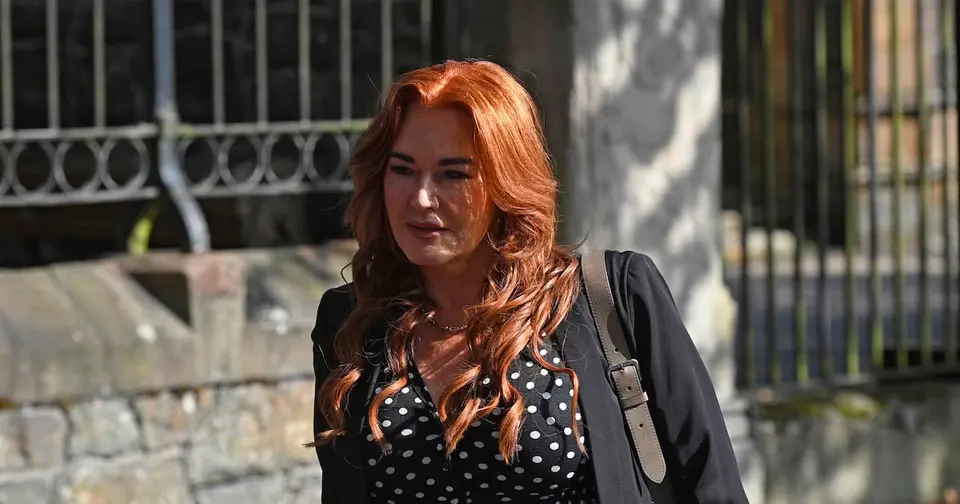
Former Antrim council chief fined after FOI deletion conviction at Ballymena court
Anne Donaghy, the former chief executive of Mid and East Antrim Council, has been convicted of two charges relating to the deletion of an email in order to prevent its disclosure under the Freedom of Information Act, the Irish Times reports.
Donaghy (56), of Clonmore Road, Dungannon, was found guilty of deleting the email and of having procured its deletion. The email in question had been sent to then first minister Arlene Foster, forwarding a letter Donaghy had addressed to the cabinet office regarding the administration of the Northern Ireland Protocol at Larne Port and alleged threats to council workers in 2021.
She was acquitted of a third charge — having attempted to delete a second email. Aaron McClelland, the council's former director of corporate services, was cleared of a single charge of having attempted to delete an email. Neither defendant gave evidence during the two-day trial.
Judge Alana McSorley delivered her judgment on Wednesday afternoon at Ballymena Magistrates' Court, a short distance from the council headquarters at the Town Hall where both had worked. Donaghy was fined £750 for each of the two charges on which she was convicted. It is understood she intends to appeal.
Political pressure and mounting FOI requests
The trial heard that Donaghy's letter to the cabinet office was written amid intense opposition to what critics termed the Irish Sea border — the arrangements created by the NI Protocol to prevent a hard border on the island of Ireland. In early February 2021, Donaghy forwarded the letter to nine DUP representatives, among them MPs Ian Paisley, Sammy Wilson and Jeffrey Donaldson, as well as mayor Peter Johnston.
On 8th February, the council received an FOI request from a journalist seeking copies of letters sent to the UK Government concerning the Protocol and alleged threats to staff. That request was refused on the grounds of health and safety and security.
In April, Donaghy appeared before the Stormont Agriculture, Environment and Rural Affairs Committee, where she was questioned by Alliance MLA John Blair about the letter and why she had sought the views of DUP representatives but not those of other parties. That same month, the council received a further FOI request for emails relating to the Protocol, followed in May by a second request from the same journalist whose original query had been refused.
The prosecution told the court that by the end of April there was "increasing political and media scrutiny" of Donaghy's actions. She was also described as having been worried she was being perceived as "the DUP's person." In June, a TUV delegation met with Donaghy regarding the letter, with Timothy Gaston reportedly asking why it had been "only sent to members of the DUP." The court also heard that several senior officers attended what appeared to be a crisis meeting at Donaghy's house on Sunday, 27th June, ahead of an internal council investigation.
Key evidence: audio recording proved decisive
Donaghy's defence argued she had acted out of concern that Foster's personal email address might enter the public domain, pointing to a history of information being leaked from the council. The prosecution, however, relied on an audio recording captured by a Live Scribe pen belonging to Donaghy's assistant. In the recording, Donaghy is heard saying "Oh no" upon being told the FOI team had a hard copy of the email — a reaction the prosecution said showed she had been unaware such a copy existed.
Delivering judgment, Judge McSorley said the central question was whether Donaghy had intended, by ordering the deletion, to erase a record. The judge found that Donaghy had been under mounting political pressure and was concerned about the perception that she was close to the DUP. McSorley stated that Donaghy's reaction in the recording to learning of the hard copy was among the factors that led her to the "irretrievable conclusion" that Donaghy had intended to prevent the email from being disclosed.
Source: Irish Times