The Never Ending Murder: Channel 4 doc on Nicola Payne's 1991 disappearance
A Channel 4 documentary revisits the unsolved 1991 disappearance of 18-year-old Nicola Payne from Coventry. No body has ever been found and no one has been convicted.
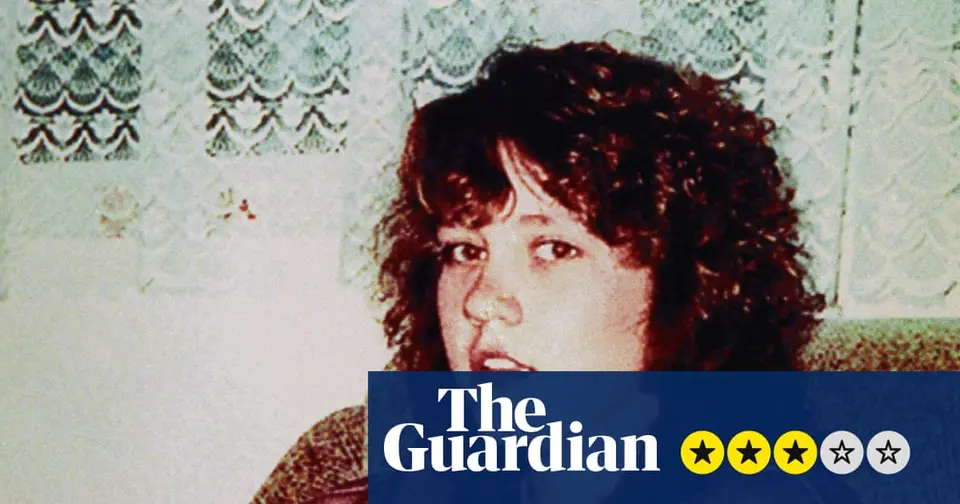
Channel 4 documentary revisits Nicola Payne case, unsolved since 1991
Google News IE — Crime (en) reports on The Never Ending Murder, a documentary now airing on Channel 4 that examines the disappearance of 18-year-old Nicola Payne from Coventry in 1991 — a case in which no body has ever been recovered and no one has ever been convicted.
The title is a deliberately jarring one. It evokes a killing without end, standing out even within what reviewers describe as an oversaturated true-crime landscape. Yet the documentary itself, narrated primarily by Nicola's relatives, takes a notably restrained approach. The story unfolds strictly chronologically, drawing on testimony from her father, brothers and friends.
They describe a longed-for daughter after four boys — a "tomboyish" young woman frequently found in the pub with her mates in a friendly working-class part of Coventry. At the time of her disappearance, Nicola had recently had a baby boy, Owen, with her boyfriend Jason. By all accounts, she was devoted to him.
She left Jason's house alone on a misty December day, heading for her family home on what should have been a six-minute walk across a stretch of land known locally as the Black Pad — a former coal railway line, the ground around it permanently darkened. She never arrived.
Her father noticed quickly and went looking for her. Police joined the search within hours. Over the following weeks and months, investigators pursued a large number of leads and identified two suspects through a distinctive car. Malcolm Ross, who led the initial investigation, states that the men's accounts were "full of holes," but the evidence fell short of what was needed for charges. The pair left for France, witnesses altered their statements, and DNA testing was not yet routine.
Years passed. A second detective, Martin Slevin, took on the case with what colleagues describe as an obsessive commitment. Using modern forensic technology, Slevin gathered sufficient evidence to charge the same two men in 2015. But flaws in the original handling of physical evidence proved fatal in court. The prosecution collapsed.
The documentary had its original release on Prime Video in 2023 before being acquired by Channel 4. At the time of that first release, the case remained technically open. The Payne family had been running social media pages to keep public attention on Nicola's disappearance and encourage witnesses to come forward. An aunt featured in the series notes that younger members of the family had been willing to carry that effort forward.
Last year, however, Nicola's brother Nigel announced the family was closing those pages. He told the BBC: "For our own sanity, we've got to move on and live our own lives." That decision adds a complicating dimension to the ethics of broadcasting the programme again.
Nicola's mother, Marilyn, died in 2023. She does not appear in newly filmed interviews, but archival footage from television broadcasts over the years captures her speaking with what reviewers call heartrending frankness. In 2001, she told a reporter that time had brought no relief: "I feel worse now than I did the first Christmas that she went." In later footage, she admitted that as more years passed, she increasingly felt she was "letting Nicola down."
The documentary avoids the sensationalist framing its title might suggest. Rather than a gripping procedural, it functions as a portrait of ordinary people absorbing an extraordinary and unresolved loss — the drawn-out disappointments of a decades-long investigation, the grief specific to a missing person whose fate remains unknown, and the persistent threat of violence against women. It does not manufacture momentum where none exists. The result, according to reviewers, is a sinking, sorrowful watch — all the more so for knowing from the outset that the central questions remain unanswered.
Source: Google News IE — Crime (en)