Racist text thread puts Charlotte-Mecklenburg police cases at legal risk
Six CMPD officers face termination after a racist text thread surfaced. Defence attorneys warn criminal cases involving those officers could be dismissed.
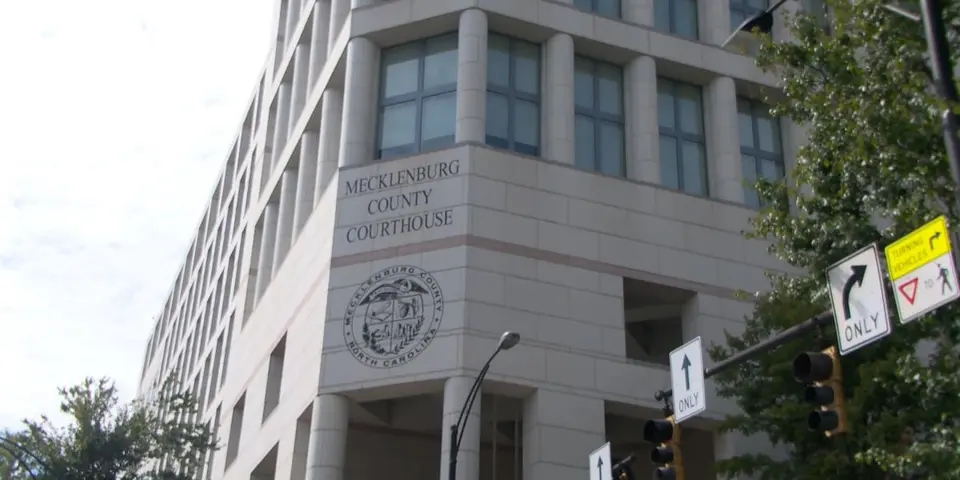
CMPD racist text scandal: defence lawyers call for case reviews and dismissals
Six Charlotte-Mecklenburg Police Department officers have been cited for termination and others have already resigned following the discovery of a racist text thread, wbtv.com reports. Defence attorneys now argue that every criminal case touched by those officers must be scrutinised and, in some instances, thrown out.
The text thread contained disparaging remarks about Black people. According to sources familiar with the messages, some exchanges involved officers competing and bragging about arresting or pulling over Black residents. The thread came to light during a North Carolina State Bureau of Investigation probe into CMPD officer Seth Elliott, who faces a criminal charge over the alleged misuse of the Flock Safety licence-plate reader network. Court records indicate Elliott allegedly used Flock and other technology to assist someone involved in a drug investigation. Data downloaded from Elliott's phone was handed to CMPD, and a subsequent review of that material uncovered the group text thread.
Last week, officers linked to the thread appeared before an internal affairs independent chain-of-command review board. Multiple officers were recommended for termination following that hearing.
Defence attorneys Brad Smith and Tim Emery told wbtv.com that any officer connected to the thread now faces credibility questions that prosecutors are legally required to disclose. The obligation stems from a 1972 U.S. Supreme Court ruling known as Giglio, which requires the state to hand over any information capable of impeaching a government witness.
"When you've got police officers on the force that are playing games and looking to pull people over because of nothing more than the colour of their skin, they're predisposed to believe and to investigate certain crimes that may not be occurring," Smith said.
Emery went further, arguing that the district attorney's office should consider halting prosecutions in which the implicated officers played a central role.
"Their credibility is severely questioned and compromised," Emery said. "If they're involved in any type of case in terms of stopping or investigating someone, absolutely, particularly if it's a Black person."
A spokesperson for Mecklenburg County District Attorney Spencer Merriweather declined to address the text thread directly but said in an email statement that "whenever internal police department processes result in sustained violations against officers, the DA must make an independent decision as to whether the violation amounts to evidence of the witness's untruthfulness or bias so disqualifying that they may no longer be relied upon as a witness for the State."
Smith also raised a separate concern about accountability gaps created by the shift from dashboard cameras to body-worn cameras. Dash cameras captured what was happening in front of a patrol car, giving investigators a record of why a stop was initiated. Body cameras, he noted, typically show only the dashboard once an officer exits the vehicle, leaving the officer's own account as the sole explanation for why a car was pulled over.
"The ability to now pull somebody over based on something other than them legitimately maybe committing a traffic offence is something that we were going to be dealing with in courtrooms again," Smith said.
Smith added that he expects the DA's office to disclose information about the messages before deciding whether to proceed with cases in which the officers concerned were involved.
Source: Google News MT — Crime (en)