Drug trafficking in northern Argentina changes methods: now using small aircraft landing inland
Criminal organisations have abandoned land-based drug transportation and now operate with aircraft entering from Bolivia and Peru to unload in areas of central and north-eastern Argentina, according to federal prosecutor Ricardo Toranzos.
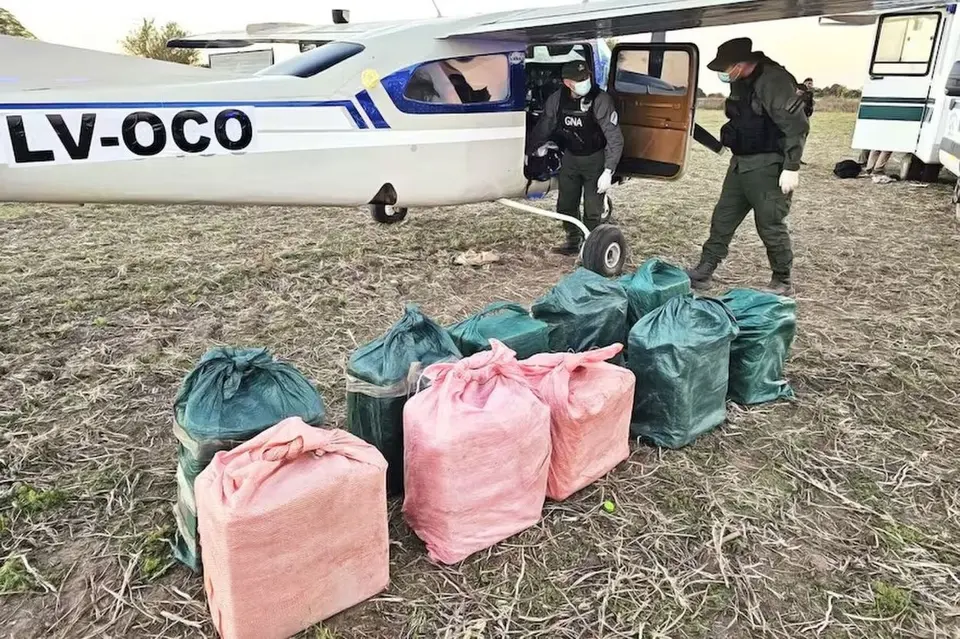
Drug trafficking in northern Argentina changes methods: now using small aircraft landing inland
Gangs involved in drug trafficking have radically changed their operating methods in northern Argentina. The movement of merchandise on foot or in land vehicles, known as "pitufeo" in criminal circles, has been abandoned in favour of clandestine flights crossing the border from neighbouring countries. This was confirmed by federal prosecutor Ricardo Toranzos in an interview with the media outlet La Gaceta.
In recent times, investigators have observed a growing change: the aircraft are no longer limited to dropping packages from the sky over isolated fields, but now land in areas far from the border. This method allows them to save time once they cross the border controls, as internal transit presents fewer obstacles than the routes of international entry.
Toranzos explained that the system operates through separate cells that are unaware of the identity of their counterparts. One pilot drops—or directly delivers—the cargo, and another group is responsible for concealing and distributing it. If one of these cells is dismantled, its members cannot provide information about the rest of the network, which gives an extra layer of protection to the organisation.
According to the judicial official, in recent months landings have been recorded with shipments exceeding three hundred kilograms in provinces such as Santa Fe, southern Salta and Santiago del Estero. For these operations to be possible, drug traffickers allocate more resources to bribing those who can facilitate contact between the aircraft pilot and whoever receives the drugs on the ground.
The origin of these air fleets was traced thanks to geolocation equipment seized in previous cases. Pilots are usually recruited in Santa Cruz, Bolivia. The aircraft, in many cases, are stolen and carry false identifications. The merchandise is loaded in producing areas of southern Peru or northern Bolivia, and from there the journey towards Argentine territory begins.
Once within the country, the drugs can follow different routes. Towards the north-east, crossing Chaco and Corrientes, with an exit through Brazil or Paraguay. Or towards the south, along secondary roads that cross Santiago del Estero, Tucumán or Route 34, one of the main arterial roads in the region.
Source: Google News AR — Crime