Supreme court upholds conviction of Iranian citizen linked to forged documentation gang
The Supreme Court dismissed the final appeal submitted by the defence of Samiei Sajjad Naserani, who received a prison sentence for belonging to an organisation that manufactured forged identities for illegal entry.
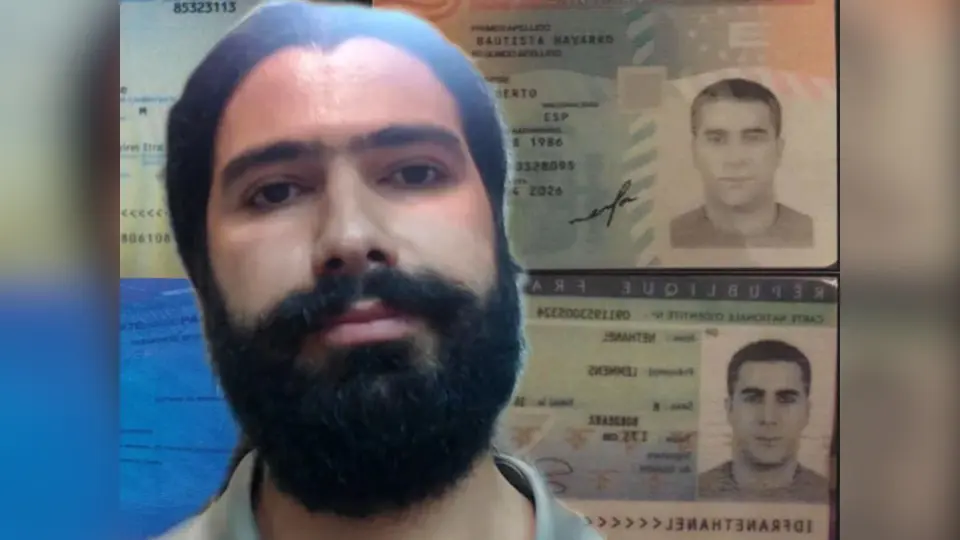
Supreme court upholds conviction of Iranian citizen linked to forged documentation gang
The country's highest judicial body definitively confirmed a sentence of four and a half years' imprisonment imposed on a man from Iran who participated in a multinational criminal organisation dedicated to producing forged identity documents.
Samiei Sajjad Naserani arrived at Ezeiza airport in 2019 together with Mansoreh Sabzali, his partner. The two presented Spanish passports supposedly processed in Madrid, which had actually been reported as stolen in Israel. The Interpol system issued an alert when immigration officials carried out a routine check. Nevertheless, entry into the country was not prevented and the documents were returned to them.
Subsequently, the Judiciary ordered the arrest of both. The detention was carried out at the hotel where they were staying, located in the Abasto neighbourhood in the federal capital. During the procedure, evidence was gathered that linked them to a criminal network operating from 2015 to 2019 in at least eight nations, including European, Asian and South American countries.
At the end of 2020, Federal Oral Court number 6 ruled three years' conditional sentence for the sole charge of carrying forged public documents to establish identity, setting aside the allegation of forming part of a criminal association. Sabzali received an identical conditional sentence for the same offence.
The Public Ministry did not accept the acquittal on the charge of membership of a criminal gang and appealed to the Court of Cassation. In 2021, Chamber II of that court overturned the acquittal, incorporated the aggravating factor of criminal association and raised the sentence to four and a half years' effective imprisonment. The defendant's lawyers filed successive appeals which were rejected first by the Court of Cassation in 2024 and finally by the Supreme Court, which identified formal defects in the presentation of the final appeal.
Source: Aire de Santa Fe
Source: Google News AR — Crime