Twelve officials detained in Urubichá released; Governor's office demands investigation
Twelve officials from the ABT, the Governor's office and the Police were detained in the Ríos Blanco y Negro protected area. The Governor's office of Santa Cruz is demanding that those responsible be identified and sanctioned.
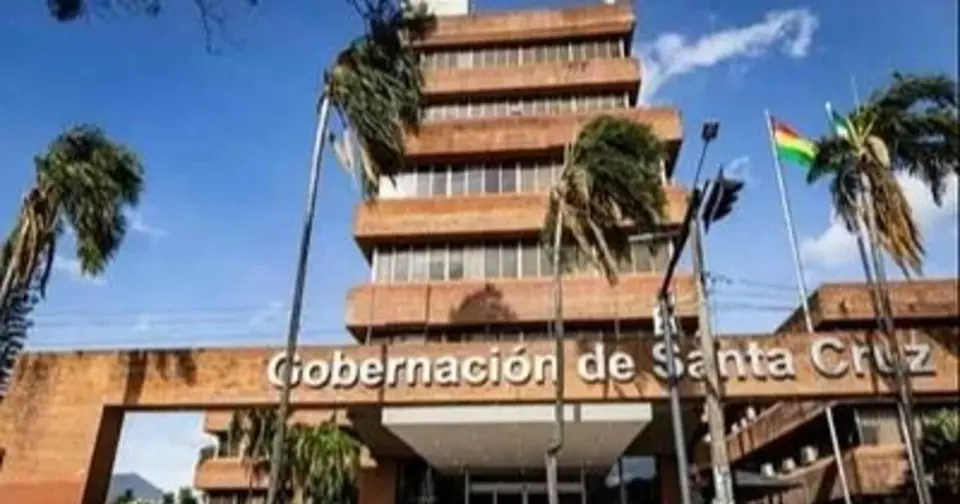
Twelve officials detained in zone of illegal settlements in Urubichá released
The Governor's office of Santa Cruz confirmed the release of twelve public officials who had been detained for hours on Thursday afternoon in the municipality of Urubichá, according to reporting by El Deber. The institution is demanding that the Bolivian Police and the Public Ministry investigate the case and identify those responsible.
The group was made up of seven agents from the Authority of Forests and Land (ABT), four officials from the Governor's office and one police officer. According to the report, the team had travelled to the protected area Ríos Blanco y Negro—approximately 50 kilometres from the capital of Guarayos province—to serve citations to alleged violators for illegal settlements and environmental damage.
In a statement released on the Governor's office social media networks, the institution specified that the team had been carrying out "since 21 October an official mission of patrol and technical inspection in the Natural Heritage Conservation Unit Ríos Blanco y Negro".
The sub-governor of Guarayos province, Sammy Ismael Gutiérrez, filed a formal complaint with FELCC Guarayos under case number 118/26, classifying the events as kidnapping. Gutiérrez stated that the incident was reported by ABT personnel and that the Police were already aware of the incident. "In the coming hours a commission will travel to the location," the provincial authority declared.
The Governor's office stressed that the release of the officials "does not close the case" and reiterated its demand to sanction those responsible. The statement emphasised that the officials were carrying out work to preserve the natural heritage of the Santa Cruz region.
Source: El Deber