Herrera: US sanctions lists not enough to eradicate drug trafficking from Bolivian state
Constitutional lawyer William Herrera warns that the two lists of individuals sanctioned by Washington do not resolve drug trafficking infiltration in Bolivia. He demands structural reforms and greater political will from the Government.
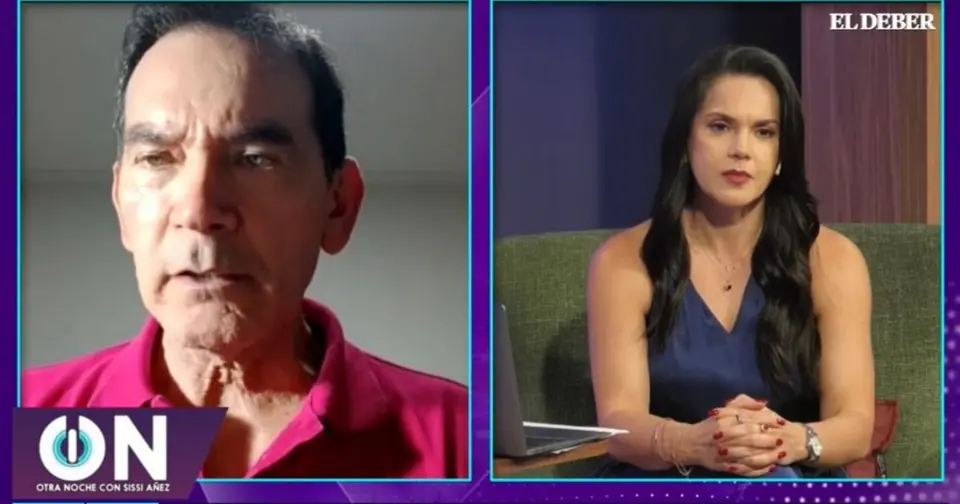
Herrera: missing names and political will needed to clean up the state
Constitutional lawyer William Herrera stated that sanctions imposed by the United States on approximately 62 people—among authorities, former authorities and relatives—are insufficient to eradicate corruption and drug trafficking entrenched in Bolivian institutions. According to El Deber, Herrera made these statements in the programme ON-Otra Noche con Sissi Áñez, broadcast by that media outlet.
"The level of corruption, the level of penetration, of infiltration of drug trafficking into the Bolivian state was not done by 62 people. This infiltration has many more pending names that perhaps have not come out," said the legal expert.
Herrera maintains that the two lists published so far by Washington still leave out former government authorities, which would indicate that the list of those implicated is considerably larger. In his analysis, the partial and staggered publication of those lists functions as evidence of the Bolivian reaction: "The fact of having released a first list and then a second one, and who knows a third, is saying: 'let's see, do something'", he interpreted.
Twenty years of protection for organised crime
The constitutional lawyer traces the origin of the problem to two decades of Movimiento Al Socialismo (MAS) governments. "We come from 20 years of MAS governments, where there was definitely protection for organised crime," he alleged. Against this, he observes only weak political will from the current Executive to undertake the structural changes he considers essential.
For Herrera, without a profound judicial reform and genuine institutional purge, corruption will remain rooted in the state. "We must act with the conviction that we must fight corruption, that is a challenge, it is an outstanding task for the Bolivian state, and what a shame that we have to wait for this type of lists to finally react," he lamented.
Demand for concrete action
The legal expert describes corruption as "a cross-cutting issue that concerns not only the Judiciary, but also the state itself" and demands a more vigorous response from the Government. "It is time that finally the Bolivian state reacts with much more firmness, conviction, with political will, in order to make the major reforms that need to be made," Herrera concluded.
The second list of individuals sanctioned by Washington, which involved the withdrawal of visas from new authorities and former authorities, had already generated resignations and calls to action directed at the Executive. The presidential spokesman, for his part, committed to a relentless fight against corruption, although without specifying concrete institutional reform measures.
Source: El Deber