Gang stole cancer drugs and resold them to public hospitals in Brazil
Rio de Janeiro's Civil Police launched "Operation Metastasis" against a gang specialising in stealing cargo loads of cancer medication. Five suspects have been detained.
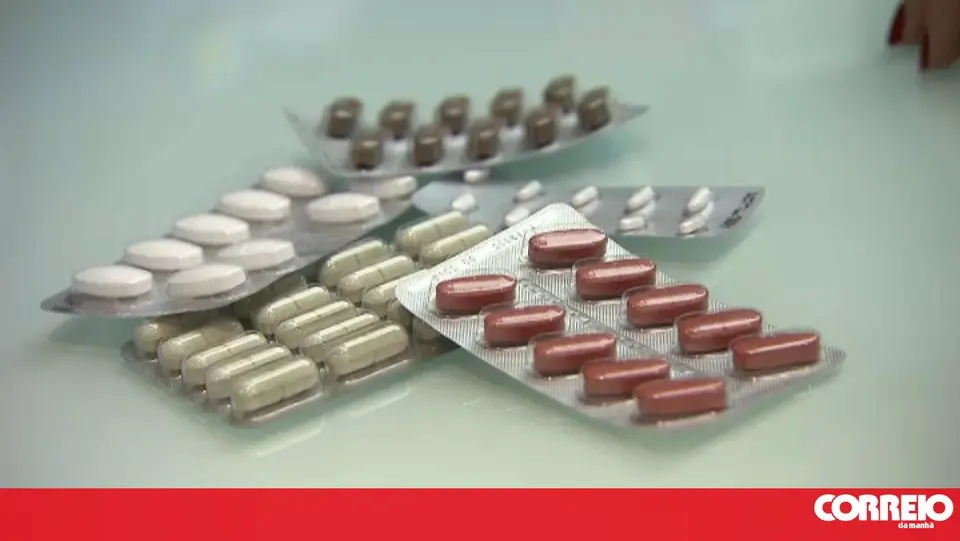
"Operation Metastasis" dismantles network of oncological drug theft in Rio de Janeiro
Rio de Janeiro's Civil Police launched a large-scale operation on Tuesday across the states of Rio de Janeiro, São Paulo, Goiás and Pará, targeting a criminal organisation that hijacked lorries carrying cancer medication and resold the drugs to public hospitals. The case was reported by Correio da Manhã.
By mid-morning, five suspects had been detained. The operation, named "Operation Metastasis", continued across the four regions to execute additional arrest warrants and 97 search and seizure warrants.
Violence and heavy weaponry in robberies
According to delegate André Prates, who commands the operation, the gang used intense violence to intercept cargo transport vehicles. In one year alone, the group is believed to have robbed at least 40 lorries loaded with oncological drugs.
The robbers used high-powered military shotguns and operated in an organised group: members positioned for cover protection protected those carrying out the action, whilst they forced drivers to immobilise the heavy vehicles in the middle of the road and took control of the vehicles.
Maré Complex as redistribution centre
After each robbery, all cargo was transported to the Maré Complex of Favelas in northern Rio de Janeiro. There, the robbers received the previously agreed payment and handed over the medication to receivers.
These receivers were responsible for dispersing the boxes across other favelas in Rio de Janeiro, a strategy aimed at making it difficult for authorities to locate the drugs and limiting losses in the event of police intervention.
25 shell companies to sell to public hospitals
To dispose of goods from the robberies, the organisation created 25 shell pharmaceutical companies in various Brazilian states. Through these companies, the group formally participated in public procurement tenders—and frequently won them by presenting prices lower than those charged by legitimate companies. The stolen medication, all high-cost drugs, thus reached public hospitals with the appearance of a legal transaction.
André Prates confirmed that this parallel commercial structure was a central part of the scheme, allowing the gang to transform stolen goods into revenue from government contracts.
Direct risk to patients
Beyond the crimes of robbery, receipt of stolen goods and fraud, the gang also committed crimes against public health. Oncological medications require strict temperature and storage conditions throughout the entire distribution circuit—conditions that, according to authorities, were not ensured by the criminal group.
It remains to be determined in what state of quality and efficacy the drugs arrived to patients who received them in the public hospitals supplied by the network.
Source: Correio da Manhã