Bondo rockfall 2017: Trial over eight deaths – verdict on 4 September
Five people stand before the Maloja Regional Court – including National Council member Anna Giacometti. The verdict is considered a precedent for mountain regions.
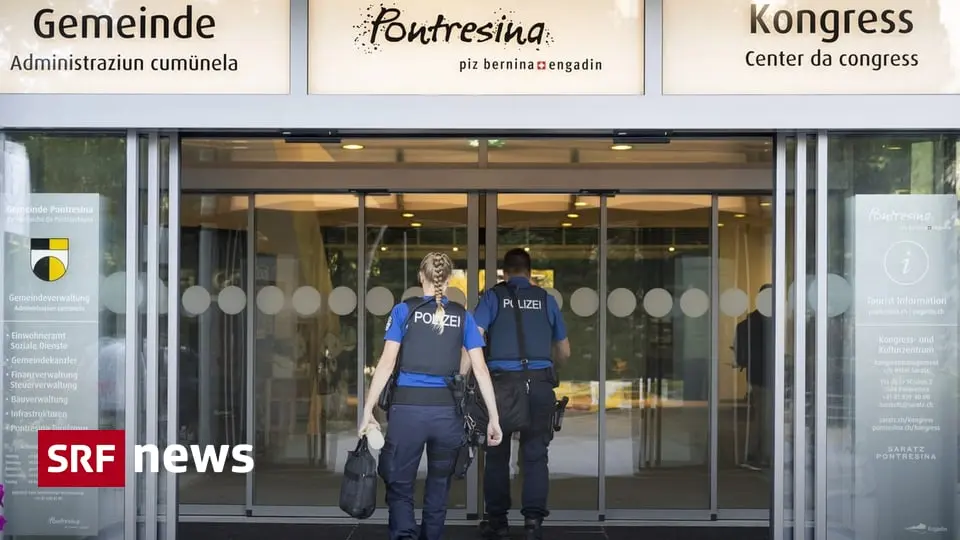
Court decides on responsibility for Bondo rockfall
On 23 August 2017, approximately three million cubic metres of rock broke loose from Piz Cengalo near Bondo in Graubünden and buried hiking trails metres deep beneath debris. Eight people died. According to SRF, the Maloja Regional Court must now clarify whether the hiking trails should have been closed at that time.
Five people are accused of multiple counts of negligent homicide, including FDP National Council member Anna Giacometti, who was municipal president of Bregaglia in 2017.
Public prosecutor: danger assessed incorrectly
The prosecution alleges that the accused misjudged the risks at Piz Cengalo. Several warning signs pointed to an impending rockfall. Safety measures such as closure of the hiking trails would therefore have been mandatory. Since these did not occur, the accused acted in breach of duty. The public prosecutor's office is seeking conditional fines.
Defence: event was not foreseeable
The lawyers for the accused contested this on geological grounds. Nine days before the rockfall, experts had expected an event in the "coming weeks or months" – not within a few days and not with such force. That the mountain would break away so soon and with such force could not have been foreseeable to anyone.
Giacometti: relied on experts
As the then municipal president, Anna Giacometti would have been the person who could have ordered the closure of the hiking trails. Before the court, she explained that she had had to rely on the assessments of cantonal experts, as she herself was not a geologist. She thus acted in a conscientious manner. In her closing remarks, Giacometti appeared visibly moved: she had acted to the best of her knowledge and conscience.
Verdict with signalling effect for mountain regions
The Maloja Regional Court will deliver its verdict on 4 September. The decision is likely to have significance far beyond Graubünden. The trial repeatedly discussed "residual risk" in the mountains. With climate change and thawing permafrost, natural events such as rockfalls are tending to increase. It remains unclear how far the personal responsibility of hikers extends and how great the obligations of local and cantonal natural hazard specialists must be.
Source: SRF