Organised crime in Chile 2025: kidnappings and gun trafficking rise, homicides fall
The National Prosecutor's Office released its 2025 Organised Crime Report, revealing greater criminal sophistication and growth in predatory offences during 2024.
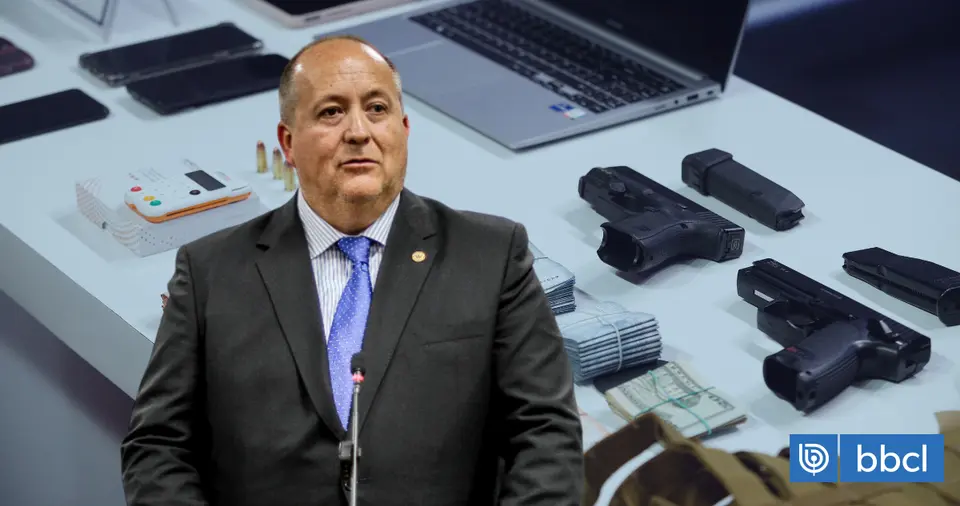
Prosecutor's Office delivers overview of organised crime in Chile during 2024
The National Prosecutor's Office presented the Organised Crime Report in Chile 2025, compiled by the Specialised Unit for Organised Crime and Drugs (UCOD), according to biobiochile.cl. The document offers a comparative analysis between 2023 and 2024, and identifies sustained growth in predatory offences, greater technological sophistication of criminal organisations and increasing infiltration into local economies, particularly in the Northern and Central macrozones.
Drug trafficking and predatory offences lead the criminal landscape
Drug trafficking remains the predominant criminal activity, accounting for almost half of organised crime-related income in 2023 and 2024. However, predatory offences—kidnappings and extortion—registered the largest growth during 2024.
Homicides, by contrast, declined in a statistically significant manner. Notwithstanding this, 16.5% of cases had a direct link to organised crime, and the regions of Arica and Parinacota, Antofagasta, Biobío and the Southern Metropolitan and North-Central Prosecutors' offices even register upward trends on this count.
With regard to money laundering, 100 people were convicted during 2024, the majority arising from drug trafficking cases. Gun trafficking, meanwhile, experienced a 90% increase in revenue between 2023 and 2024.
Mobile phones in prisons and involvement of minors
The report also addresses the entry of mobile devices into penitentiary facilities: an average of 21 mobile phones were seized per day during 2024. Regarding juvenile participation in crime, the study indicates that 44% of those detained for violent car theft are minors.
Analysis by macrozones
The report breaks down the situation by geographical zones, identifying differentiated patterns in each.
In the Northern Macrozone a high concentration of interdependent illicit markets persists: drug trafficking, smuggling, copper theft, human trafficking and people smuggling. The presence of transnational organisations—Colombian and Venezuelan—maintains elevated levels of violence, and an active or passive corruption threat is flagged at border controls.
The Central Macrozone is the country's highest criminal density area. National and foreign organisations have consolidated there with high incidence in drug trafficking, homicides and extortion. The ports of San Antonio and Valparaíso are identified as critical points for international trafficking, and there is a high correlation between firearms, territorial control and homicides.
In the Southern Macrozone the expansion of transnational gangs stands out, including cells of Tren de Aragua, Los Piratas, La Hermandad and Hermanos Cartier. The report identifies a strong link between drug trafficking, extortion and offences associated with natural resources—timber theft, copper and salmon—alongside growing use of violence and technology that complicates criminal prosecution.
The Austral Macrozone presents lower prevalence of the phenomenon, but with high geographical and customs vulnerability. The presence of hybrid networks connecting local actors with foreigners is recorded, mainly in drug trafficking and smuggling.
Gender and nationalities in organised crime
Gender analysis reveals that women participate more frequently in human trafficking offences (38%), people smuggling (37%) and drug trafficking (between 26% and 33%), undertaking key logistical and financial roles.
As to predominant nationalities, the report indicates that Bolivians and Colombians dominate large-scale drug trafficking; Venezuelans lead ketamine trafficking, illicit association and kidnappings; whilst Chileans concentrate their activity in drug dealing and crimes against property.
Participating institutions and ministerial assessment
The Public Ministry emphasises that the study is unprecedented in depth, combining quantitative and qualitative analysis, and incorporating participation from the Carabineros of Chile, the Investigation Police, Gendarmería, the Navy, SENDA, the National Customs Service and the Under-Secretariat of the Interior.
The Minister of Public Security, Luis Cordero, valued the document stating that "what it does is report on the results associated with investigations and the way criminal prosecution and police intervention has developed." Cordero added that the report "reveals the way and manner in which the Chilean State has faced the organised crime situation" and the particularities that the phenomenon presents in the country.
Source: Google News CL — Crime