Marseille: conviction for apology of terrorism following TikTok comments
A 45-year-old man has been sentenced to sixteen months in prison for posting terrorist statements on TikTok, two days after the racist attack in Trappes. He glorified the perpetrator of the attack and expressed a desire to "massacre" Muslims.
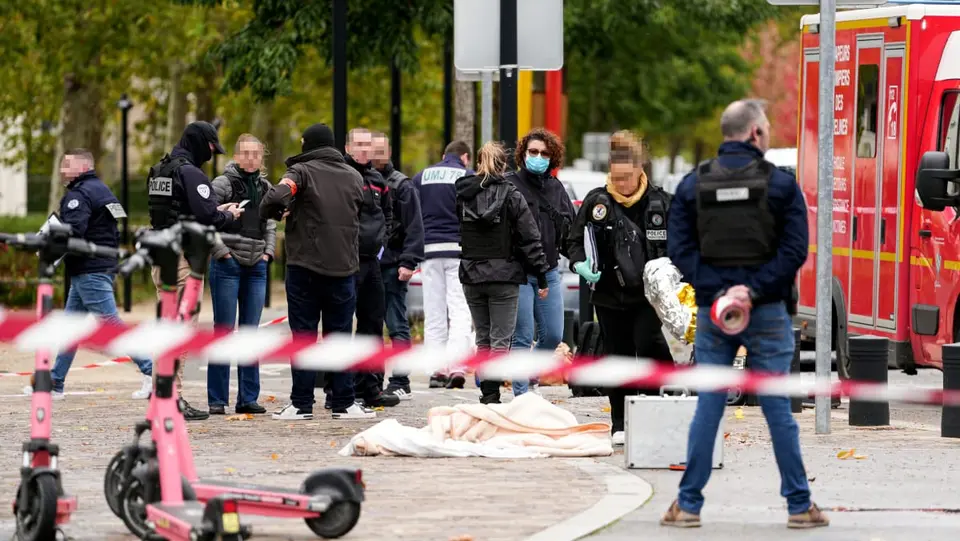
Conviction for apology of terrorism in Marseille
A 45-year-old man was sentenced on Wednesday in Marseille to sixteen months in prison, of which eight are suspended, for apology of terrorism. According to laprovence.com, the defendant will serve his custodial sentence under electronic monitoring after being judged in summary proceedings.
The facts date back to 26 October, two days after the racist attack in Trappes which killed one person and injured several others. Fabrice B. had broadcast a live stream on TikTok in which he declared: "I am RN, I hate, I will become the new Kévin", a reference to the perpetrator of the attack in the Yvelines. In the same live stream, he announced he wanted to "massacre" Muslims and glorified the terrorist act.
The content was reported to the Pharos platform, which centralises reports of unlawful online content. This alert enabled investigators to track down Fabrice B. and identify him.
Before the court, the defendant expressed regret, stating he "deeply regrets having said such vile things". He explained that his "brain shut down" that night and that the situation in the country had angered him. He emphasised that he had never hit anyone and hoped that no one had listened to his words for fear they would be incited to "do something stupid".
Fabrice B. has been under psychiatric care since 2020, but stopped his treatment two months ago. Living in isolation on a disabled adult allowance and having held precarious jobs as a disc jockey or security officer at Marseille's port, he had no criminal record and was unknown to the police and intelligence services.
Judge Thierry Bonifay noted that the authors of such messages often feel protected by the anonymity of the internet: "People let loose because they are behind a computer, they feel hidden, anonymous."
Prosecutor Mathilde Fontaine emphasised in her submissions that "the complicated surrounding climate in no way justifies such conduct", deploring "the normalisation of a discourse that leads to an act of violence sooner or later".
His counsel, Me Allison Mallia, asked the court to take into account Fabrice B.'s fragile personality, particularly as a result of his family exclusion following his sexual orientation.
Source: Le Monde - Justice