Meaux Prison: drug trafficking ring run by three inmates, 21 suspects referred to criminal court
An extensive investigation into a drug network operating out of Meaux-Chauconin prison revealed estimated annual profits of between 1.1 and 1.6 million euros. Twenty-one suspects are being referred to court for January 2027.
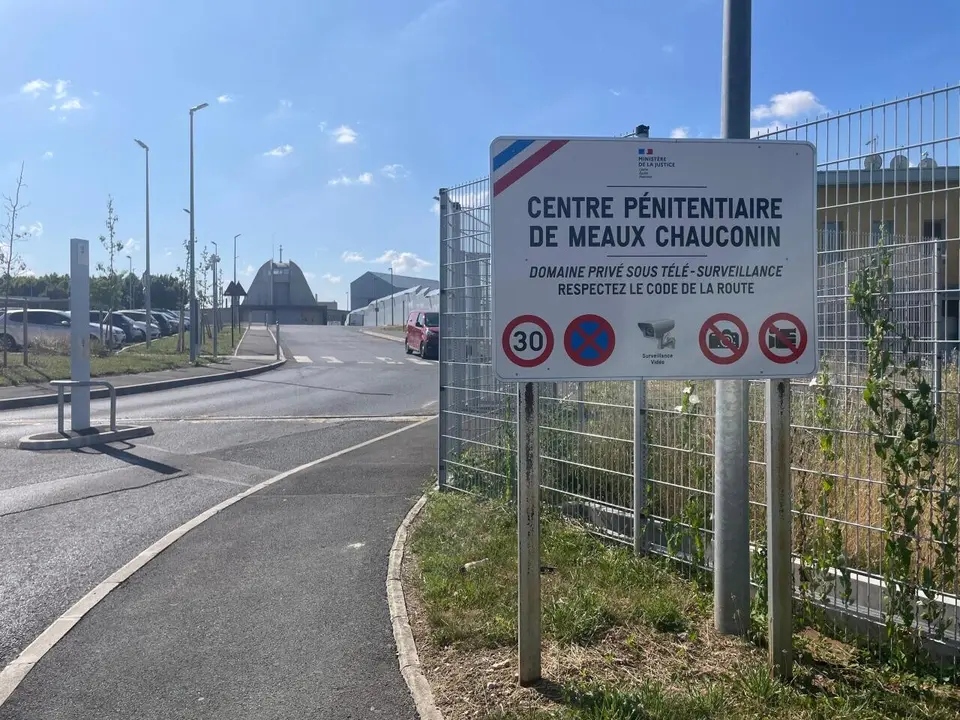
A trafficking network run from inside prison
According to actu.fr, a thorough investigation into drug trafficking that extended across Île-de-France, the United States and the Netherlands identified 21 suspects. The network was run from Meaux-Chauconin prison, where three inmates — Théo S., Nadjib B. and Youssef-Amine G. — orchestrated operations between 2023 and 2025. Mobile phones and accounting documents found during searches of their cells revealed six-figure sums.
A Telegram platform at the heart of the operation
Investigators traced the network to an online platform identified in 2024. The platform offered promotion, ordering and delivery of narcotics in the Paris region via Telegram, under channel names such as FrappeIDF94 for cannabis and FrappeIDFCoco75 for cocaine. The logo depicted a gorilla wearing a cap with a joint between its lips. The delivery codes in the Paris region used discreet names: Parloir 77, a reference to the Seine-et-Marne department.
Volume and turnover
The network distributed between five and ten packages per evening on average, with a minimum order amount of 100 euros. Payment methods included cash and cryptocurrencies. Annual profits were estimated at between 1.1 and 1.6 million euros, distributed according to the network's hierarchy. Occasional promotions circulated: "all kilos at 2,250 euros".
Labour and supply
Manpower was sometimes recruited on Snapchat for packaging tasks: filling 140 pots of cannabis resin paid 200 euros. Other tasks included collecting cash and converting it into purchases or gifts for the partner of one of the network's ringleaders. Supply came from the Netherlands — notably cannabis strain "Amnesia pro" — and from the United States — Californian cannabis nicknamed "Cali foudre".
Envoys and the transatlantic route
Sinbad M. and Quincy B. operated as suppliers from the American West Coast. The first allegedly visited cannabis conventions to recruit suppliers, whilst the second sounded out the black market. The drugs were transported by plane or sent by parcel with false documents. Sometimes customs intercepted shipments, which generated tensions within the network.
Escalation towards violence
In early 2025, Quincy B. allegedly commissioned the kidnapping of a FedEx delivery driver suspected of pocketing packages. The courier received threats — having a finger cut off or being thrown into the Seine — before being released in the morning at Bagneux (Hauts-de-Seine) with back and neck pain.
Arrest of the final ringleader
Trips to the United States ceased in early 2026 for Quincy B., who was flagged by an Interpol red notice. He was arrested in Thailand, the last big fish to be caught. Investigators decrypted the clandestine phones and identified the pseudonyms: Hannibal Lecteur, a play on words based on the character from "The Silence of the Lambs".
Referral to criminal court
All 21 accused will appear in criminal court in Paris in around a dozen hearings between 5 and 22 January 2027.
Source: Google News FR — Crime (fr)