Social media and violence of 17 October: platform responsibility under scrutiny
The demonstrations and looting on 17 October were amplified by social media. TF1 Info examines the role of platforms and the emergency measures the state can take in response to calls for violence.
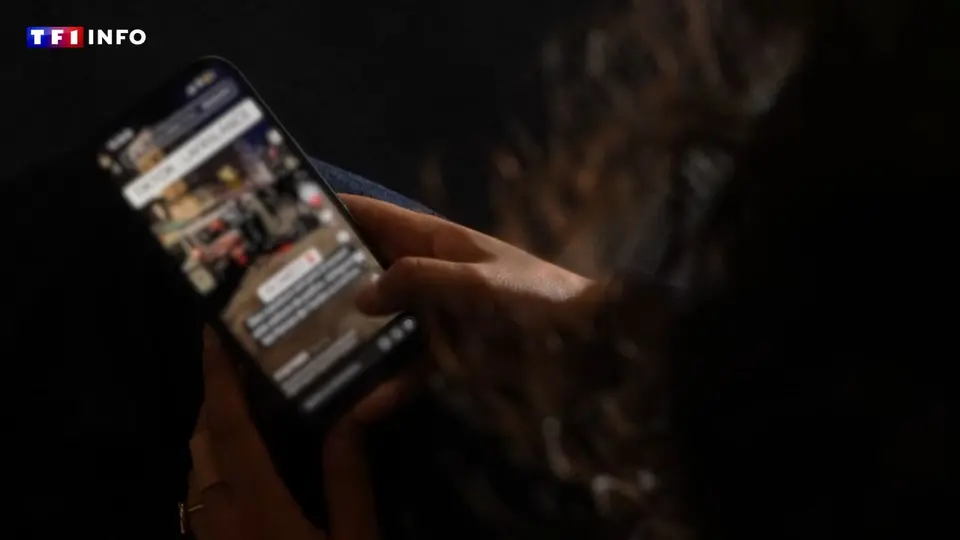
How social media amplified the violence
According to TF1 Info, calls for violence and looting number in the hundreds on social media. Users filmed themselves live on Twitch, Snapchat and TikTok during the events of 17 October, broadcasting their actions in real time. A video showing a man surrounded by stolen items in a jewellery shop collected 54,000 views on its own. "Family, we've got 10,000 viewers passing through, subscribe, subscribe," he shouted to increase his audience. These viral contents attract other looters connected to the same platforms, who also use these channels to resell the stolen items.
Calls for violence circulate freely despite legal obligations. Platforms theoretically have an obligation to remove such content as soon as it is reported. Yet direct calls to participate in riots spread unimpeded: "If you bring me 2-3 soldiers, riot leaders, I want people who are not afraid, who have already been in custody," was among the messages spread widely.
Can access to social media be shut down in a crisis?
The state has an exceptional possibility available to it. In 2024, during riots in New Caledonia, TikTok was suspended for 15 days, the Chinese social network being suspected of being used by rioters. Maître Etienne Papin, a lawyer specialising in digital law, explains that faced with an exceptional breach of public order, the state can take extraordinary measures not provided for by law.
However, this suspension was subsequently ruled illegal. The suspension should have been strictly limited in time, and no other solution less restrictive of freedoms should have been available. Current legal frameworks make such preventive or prolonged action difficult, both technically and legally.
Videos as evidence for investigators
Police are using images posted online to identify the perpetrators. Maurine Bajac, police and justice journalist for TF1/LCI, clarifies that the objective is to "break down an image, a silhouette, a tattoo, a face, anything that will make it possible to identify a person already known to the services". The police prefecture has opened a platform to collect these videos.
Relaying a call for violence or destruction exposes one to criminal prosecution: up to three years in prison and 75,000 euros in fines. The authorities are thus exploiting the digital trace left by users who documented and shared their participation in the violence.
Source: TF1 Info