Three years after Thomas's murder in Crépol, France 2 reopens dialogue
France 2 broadcasts a documentary investigating the murder of young Thomas that occurred in November 2023 in Crépol, bringing together protagonists from opposing sides to explore the scars of a crime that has become a symbol of social fracture.
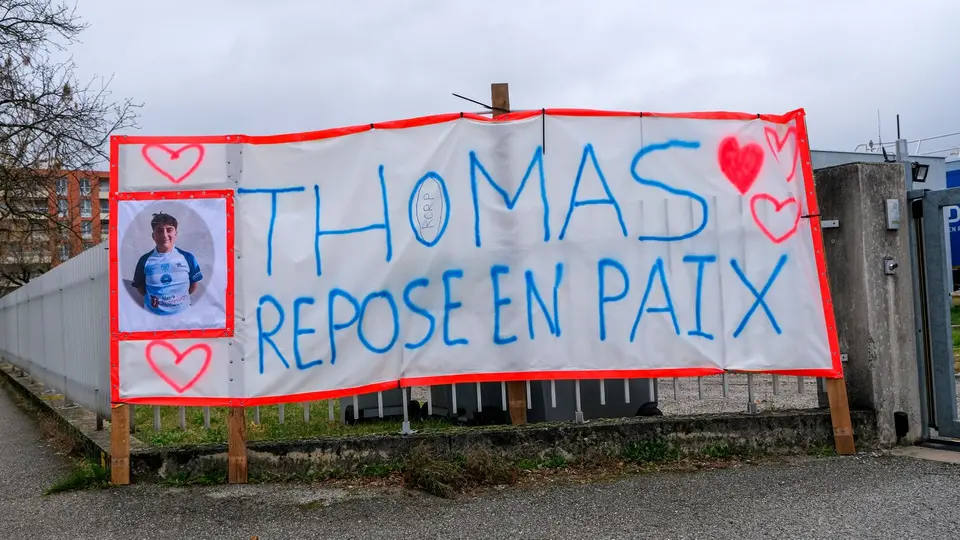
A documentary to ease tensions after the Crépol tragedy
According to franceinfo.fr, France 2 is launching a new documentary collection presented by Caroline Roux, entitled "After the Anger", which explores social fractures through recent current events. On Tuesday 6 October, the channel broadcasts a first episode dedicated to the murder of Thomas Perotto.
On the night of 18 to 19 November 2023, the 16-year-old was stabbed at the exit of a village dance in Crépol, in the Drôme. The confrontation also injured seventeen people. Investigators quickly identified the attackers: a group of young people from the Monnaie district in Romans-sur-Isère, a neighbouring town. Eleven of them will be tried before the juvenile court of assizes in the Drôme, with an aggravating circumstance of a charge of racism against "the white race and the French nation".
From a crime to a symbol of division
The tragedy provoked a wave of national outrage and rapid political exploitation. The anti-French remarks reported during the fight inflamed debates about immigration and insecurity, elevating Crépol to the status of a symbol of a fractured France.
The documentary "The Crépol Tragedy", directed by Vincent Trisolini, is based on testimonies from dance participants, relatives of the suspects, and the mayors of Crépol and Romans-sur-Isère. It examines the wounds left by this crime and, above all, encourages protagonists with opposing viewpoints to meet and exchange views.
A difficult encounter between two worlds
Caroline Roux brings together Fayçal, a resident of the Monnaie district, and Anaïck, a villager whose daughter witnessed the bloody fight. The encounter centres on statements by the mother of a suspect, who claims that her son told her he "had fought with French people" in Crépol.
Anaïck expresses her incomprehension of these remarks. "It frightens me," she confides. She insists: "From the moment you are born in France, you are necessarily French. I don't understand the expression."
Fayçal admits he is not surprised. He says he regularly hears young people from his district make a distinction between themselves and "the French". "You can be French, but you can feel like a foreigner," he explains. "It's a feeling. Maybe he loves this country and in return, maybe this country doesn't love him."
Systemic racism at the heart of the disagreement
For Fayçal, the major problem lies in the racism experienced by residents of the housing estates. "France today is extremely racist," he asserts. "When you go looking for a job and they ask you where you live, that's discrimination. Since Crépol, things have got worse."
Anaïck acknowledges that the tragedy has inevitably affected young people from the Monnaie district, but refuses to describe France as a racist country. "The leaders gave that feeling by not reassuring people," she judges, attributing fear to be the main cause of community fractures. She remains optimistic about the possibility that everyone can live together.
Fayçal presents a darker picture. According to him, if people do not live "against one another", they live "without one another". This divergence of perception underscores the extent of social scarring three years after the murder.
Access to the documentary
"The Crépol Tragedy" is broadcast on Tuesday 6 October at 21:10 on France 2 and remains accessible on the france.tv platform.
Source: Google News FR — Crime (fr)