Gold Convoy Scandal: Palace Revolution at Prosecutor's Office After Fürcht Pál's Resignation
The departure of the KNYF leader may conceal serious internal conflict that could threaten the position of the chief prosecutor himself. According to HVG, the investigation could extend to Antal Rogán and Viktor Orbán.
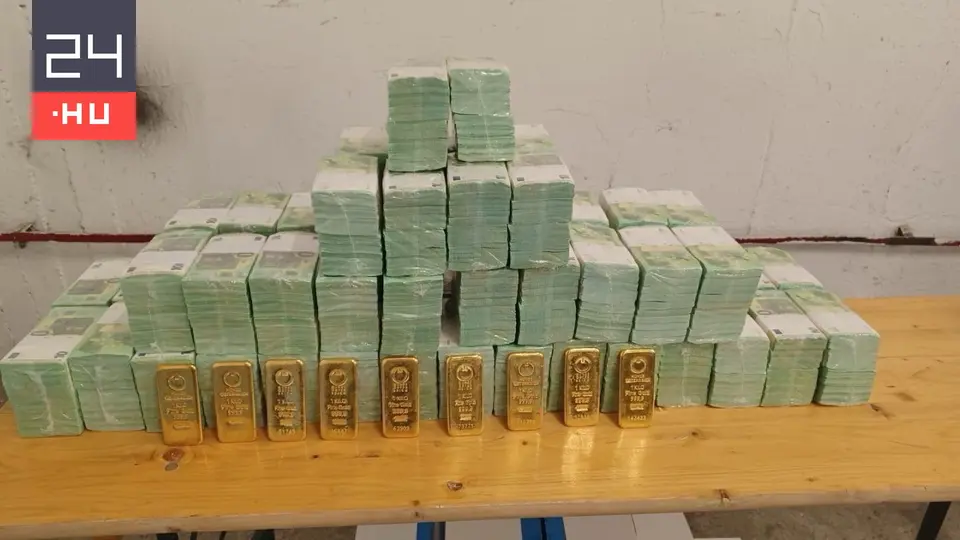
Internal Fault Lines in the Wake of the Gold Convoy Case
According to 24.hu's report, HVG painted a detailed picture of the serious internal conflict behind the resignation last week of Pál Fürcht, the head of the Central Investigation Prosecutor's Office (KNYF). According to the publication's sources, Fürcht left his post primarily because he was confronted with unlawful solutions in the so-called Ukrainian gold convoy case.
The KNYF's statement at the time characterised the situation simply as a professional dispute: "In this case, a professional dispute arose between the KNYF and the head of the specialist department over certain investigation-tactical questions – due to certain investigative measures and the sequence of interrogation of persons who might potentially be considered suspects." However, HVG points out that such conflicts at prosecutorial levels rarely lead to resignations.
The Excessive Role of Secret Services as Subject of Complaint
According to HVG, Fürcht's main objection was that not only during the investigation but also during the active criminal proceedings did staff from the Constitutional Protection Office intervene in the case – even though they had no legal right to do so. According to testimonies presented by the publication, NAV customs officials could only interrogate the Ukrainian citizens after secret service staff had already taken action against them.
NAV itself played a role in the case, as the authority conducted the investigation that was launched on suspicion of money laundering. However, its leaders raised doubts about the soundness of the action, and information pointing to money laundering was not fully available. NAV documented all its steps by referring to prosecutorial decisions, so the question of responsibility does not primarily arise at the authority.
Fürcht also took exception, according to HVG, to the fact that the complaint on which the raid was based was incomplete and did not adequately support the suspicion of money laundering. His position, however, conflicted with the views of the leadership of the Chief Prosecutor's Office.
Palace Revolution: Several Senior Prosecutors Sided with Fürcht
According to HVG, after Fürcht's resignation, several senior prosecutors publicly supported him, while the Chief Prosecutor's Office attempted in a statement to present what had happened simply as a professional difference of opinion. The publication reported that serious fault lines have emerged within the prosecutorial organisation.
This creates a particularly delicate situation for Chief Prosecutor Gábor Bálint Nagy. According to information published, the leadership of the Chief Prosecutor's Office attempted at several points to soften or override Fürcht's objections relating to secret services. If the background to the internal conflict were to begin to be examined in detail, it could even put the question of Gábor Bálint Nagy's resignation on the agenda, writes HVG.
The Threads of the Investigation Could Extend as Far as Antal Rogán and Viktor Orbán
The political consequences of the criminal proceedings could extend even higher. If the investigation ultimately concluded that the TEK leadership bears responsibility for the unlawful detention of the Ukrainian money couriers, then political responsibility could only become subject to further examination if the former TEK director, János Hajdu, cited instructions from a higher level.
In this scenario, according to HVG, Antal Rogán's name could also come up, and the case could even reach Prime Minister Viktor Orbán. Thus, in the publication's reading, the gold convoy case is far more than a simple investigation-tactical dispute: it also sheds light on the extent to which prosecutors, theoretically independent, are in practice subject to political influence.
Source: 24.hu