Former head of counterterrorism centre questioned as suspect in Ukrainian cash transport case
The Budapest Investigative Prosecution Service questioned retired police major-general János Hajdu as a suspect, who is accused of seven counts of unlawful detention and torture.
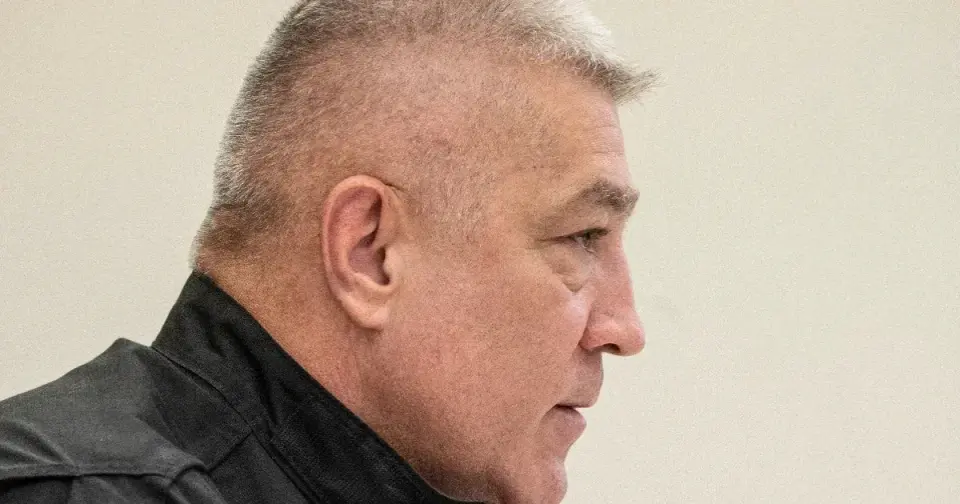
Former head of counterterrorism centre questioned as suspect in Ukrainian cash transport case
The Budapest Investigative Prosecution Service questioned retired police major-general János Hajdu as a suspect on Monday, the head of the Counterterrorism Centre (TEK) who was removed from his post at the end of May, the prosecution service announced.
The authority suspects the former director of seven counts of unlawful detention and torture. Hajdu lodged a complaint against the charge, denied committing the offence, and gave a statement. He may remain at liberty.
According to the suspicion, on 4 March 2026 Hajdu held a briefing for senior officials at the request of the National Tax and Customs Administration (NAV) regarding the so-called "gold convoy" case. At the briefing, he said that vehicles carrying large quantities of US dollars, euros, and investment gold bars travelling from Austria through Hungary to Ukraine must be stopped, and the passengers must be taken into custody. According to the prosecution service, the director ordered his staff to bring in the Ukrainian citizens suspected of committing crimes in handcuffs and with their eyes covered.
The next day at midday, at the Alacska rest area on the M0 motorway, TEK staff removed the passengers from the two Ukrainian cash transport vehicles, laid the seven Ukrainian citizens on the ground, handcuffed them with their hands behind their backs, and placed blankets rotated approximately 180 degrees and used contrary to their intended purpose on their heads to obstruct their vision. János Hajdu personally directed the operation on site. At the director's orders, the investigation begun by NAV financial investigators was suspended, as the vehicles and Ukrainian citizens had to be transported to TEK facilities.
According to TEK reports, the detention was terminated within two hours because the Ukrainian citizens suspected of committing crimes were handed over to the NAV. According to the prosecution service, however, Hajdu knew that contrary to the reports, the NAV did not take criminal proceedings measures against those taken into custody, but instead questioned them as witnesses, and thus they remained in TEK custody. Investigators from the tax authority repeatedly requested the removal of the Ukrainians' handcuffs and indicated that they did not plan any further procedural steps, but the TEK director did not comply.
According to the prosecution service, TEK staff detained the cash transport workers, who were legally classified as witnesses, for at least nine hours on the director's orders, while keeping them handcuffed and with their eyes covered in a manner that violated human dignity throughout. This conduct constituted torture of the victims and unlawfully restricted their personal liberty.
According to the investigative prosecution service, Hajdu may remain at liberty, as in their view, owing to the termination of his employment, there is no reason to believe he would repeat the offence; the risk of flight is low, and the risk of hindering the investigation is low, since the former director has known about the investigation for months.
Source: Telex
Source: Telex