Public Works Supervisor Killed in Taktakenéz: Drug Use and Unemployment in the Background
A representative of the ethnic self-government was stabbed in the neck in a village in Borsod County. According to a report by hang.hu, the public works system and employment crisis lie behind the tragedy.
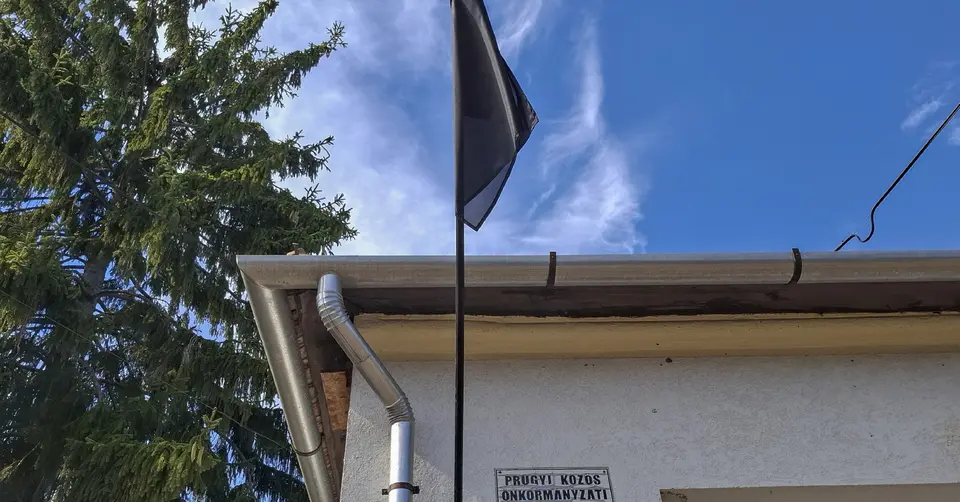
Murdered public works supervisor: substance use and employment problems in Taktakenéz
According to hang.hu's report, 59-year-old János Szapula, a representative of Taktakenéz's ethnic self-government, lost his life at the public workers' site after a public employee stabbed him in the neck twice. The perpetrator, who had a butcher's qualification and a criminal record, inflicted fatal wounds: the local school teacher's resuscitation attempt, the infusion held by his son, and the pressure bandaging applied by arriving paramedics could not save the victim's life.
After the murder, the journalist travelled through the thousand-strong village in Borsod County before he could sit down with the murdered man's son, János Szapula Jr. From his phone, he first saw a photograph of his father lying in a pool of blood – the image appeared so suddenly that he had no time to look away.
Isolated settlement, hopeless transport
For a long time, Taktakenéz was connected to the outside world from the direction of Taktaharkány via the worst condition public road in Borsod-Abaúj-Zemplén County. Public transport from the nearby district centre of Szerencs is also extremely infrequent: according to locals, at most three usable services exist, one of which requires a change of buses, and this has not changed for years.
"If you don't have a car, you're finished," said Zsolt, a local resident, whom the reporter encountered beside a municipally-owned building. The property's yard contained stacked felled acacia bushes and freshly cut grass indicating the presence of public workers – as did the discarded electric grass trimmer cord lying on the lawn.
Migration and public works
Zsolt explained that whoever could afford to went to Budapest to work, because it is impossible to live on public works wages. He himself spent a longer period in a workers' hostel and is preparing to return to the capital on Wednesday. No single person on the settlement was willing to speak on the record with their full name – not the disabled pensioner pushing a rusty bicycle, not the mother sitting on her terrace, not the man bearing tribal tattoos.
A local woman complained to the reporter that although Szerencs, Tiszaújváros and the county seat Miskolc – the latter two of which have factories – are not so far away, she believed Ukrainians and "immigrants" had taken the jobs. From the village, which votes 80 per cent for Fidesz–KDNP, almost every man goes out to work, so women increasingly work in public works. Tasks considered "men's work" also have to be done by women – which locals say is a source of numerous conflicts.
Open questions surrounding the public works system
The full hang.hu report – which also appears in Magyar Hang weekly magazine issue 2026/40 – examines several questions: who decided that the alleged perpetrator could work in public works, what do the residents of Taktakenéz fear now, and what connection links the public workers to local funeral services. The full article is available as subscription content on the hang.hu website.
Source: Google News HU — Crime (hu)