Risks found in public procurement contracts exceeding 3,700 billion forints
According to a report from the Integrity Authority, competition is often merely theatre, and overpricing has become embedded in public procurement practice.
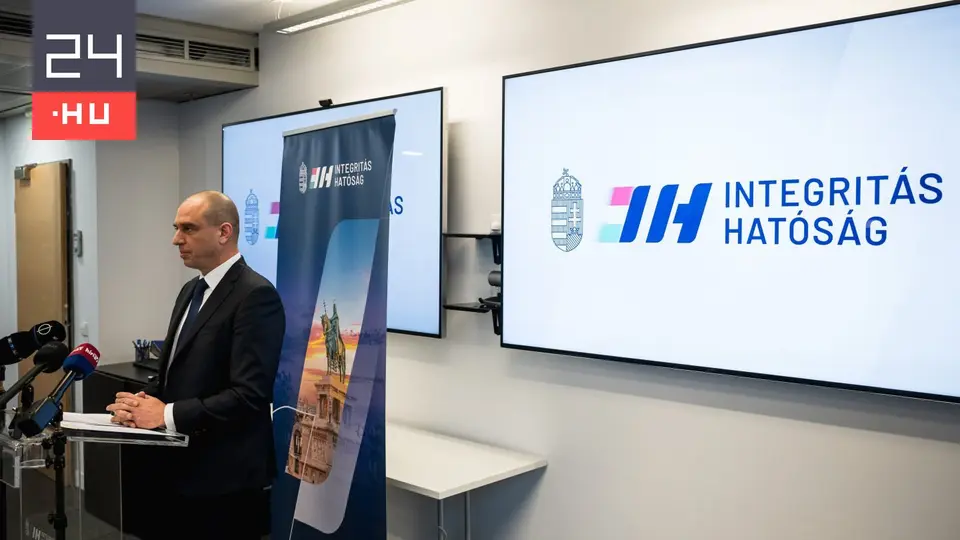
Risks found in public procurement contracts exceeding 3,700 billion forints
The system of publicly funded procurement has by now resulted in raising prices rather than lowering them, according to the latest several-hundred-page analysis by the Integrity Authority, reported by 24.hu.
According to the authority, overpayment is not an isolated irregularity but is organically embedded in operations. The bids submitted by tender participants are compared against an internal estimate, yet the legislation does not require that this estimate be based on actual market data. The most glaring cases of disproportionate pricing were found in construction projects, but serious problems also arose in energy and fuel purchases.
According to the document, market competition is often not genuine: the same companies appear repeatedly in similar configurations, and typically the same contractors emerge victorious. In construction contracts exceeding ten billion forints, there is particular risk of deterioration, as few participants take part and long-term entanglement can be inferred between the organisers' winners.
The largest state purchasing institutions – the Public Procurement and Supply Directorate General, the National Communications Office and the Digital Government Agency – are permeated by risks. The authority attempted to establish contact with these organisations, but the planned consultations did not take place. Moreover, the KEF's hundred-billion-forint transactions are not even visible in the public database.
The analysis characterises the operations of bodies handling public procurement contracts totalling over 3,700 billion forints between 2020 and 2025 as lacking transparency. The Integrity Authority demands wide-ranging changes, including the abolition of certain procedural forms and the reduction of appeal costs. The report concludes that over the past three years no agreement has been reached with the government on methods of fighting corruption, and therefore the issued material was unable to promote joint work.
Source: 24.hu