Smuggling, sabotage and GPS disruption. Crime in Polish ports
Organised crime is escalating in Polish seaports. Officers from CBŚP and KAS thwarted the smuggling of over a tonne of heroin worth 220 million zloty in Gdynia. Ship captains are complaining of satellite navigation disruptions.
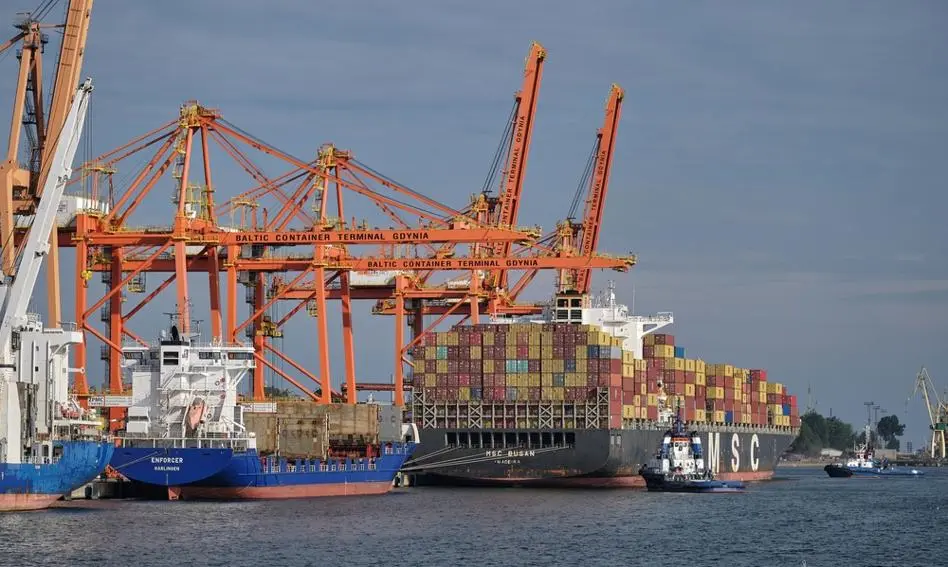
Smuggling, sabotage and GPS disruption. Crime in Polish ports
In Gdynia port, services thwarted the smuggling of over a tonne of heroin valued at nearly 220 million zloty. The operation was carried out by officers from the Central Bureau of Investigation Police (CBŚP) alongside the National Tax Administration (KAS). This is one of the most serious cases of drug-related crime in Polish ports in recent times.
However, narcotics are not the only threat. Maritime port authorities are also reporting sabotage activities and regular GPS signal disruptions. According to Michał Śmigielski, head of the Gdynia Maritime Agency, ship captains frequently report problems with satellite navigation, particularly in the Tri-City region. The phenomenon is widespread and hampers the safe manoeuvring of vessels.
Seaports represent a crucial element of supply chains connecting Poland with the rest of the world. Last year, cargo turnover reached 128 million tonnes, representing an increase of over 3 per cent compared with the previous year. The largest increases were recorded in Szczecin, Świnoujście and Gdańsk. However, as the flow of goods increases, so does the pressure on services responsible for security.
In the structure of imports, liquid bulk cargo dominates – primarily crude oil and its products, accounting for almost 44 per cent of all operations. The next positions are taken by dry raw materials, including coal and coke, as well as containers. Many of these goods are of a strategic nature, which further raises the stakes in terms of securing transport.
In recent years, the security situation in the Baltic Sea region has deteriorated. In the vicinity of Gdańsk Bay and the Tri-City area, incidents involving Russian vessels and aircraft violating airspace have been recorded. The proximity of the Kaliningrad enclave means that Polish ports are situated in a zone of geopolitical tensions.
One of the more high-profile episodes occurred when a group of divers from Spain was detained near port infrastructure. Initially, suspicions arose of a sabotage attack on critical facilities. Subsequent investigations revealed that the foreign nationals were attempting to retrieve drugs attached to the hull of a vessel.
Customs and border services are operating under considerable strain. The Ministry of Interior and Administration reported in May that a record number of officers are on duty at the borders – nearly 17,000. Despite this, ports are short-staffed with employees from the Customs Office and Border Guard. According to representatives of the maritime industry, personnel shortages are delaying customs clearances and hindering effective monitoring of goods flows.
Source: Bankier.pl
Source: Google News PL — Crime (pl)